

Many fitness enthusiasts experience frustration when their supplement regimen fails to deliver consistent results despite significant investment in quality products. The disconnect often stems from poorly structured supplement workflows that ignore timing, selection, and individual training needs. This comprehensive guide reveals practical strategies to optimise your health supplement workflow in 2026, ensuring every capsule, powder, and tablet contributes meaningfully to your performance and recovery goals. You will learn how to identify common pitfalls, prepare an effective routine, execute precise timing protocols, and continuously refine your approach based on measurable outcomes.
Table of Contents
- Common Challenges In Managing A Health Supplement Workflow
- Preparing Your Health Supplement Workflow For Success
- Executing Your Supplement Workflow Step By Step
- Monitoring Results And Refining Your Workflow
- Discover Quality Supplements To Support Your Workflow
- FAQ
Key takeaways
| Point | Details |
|---|---|
| Workflow structure matters | Organised supplement timing and selection directly enhance training performance and recovery rates |
| Targeted products deliver results | Evidence-based supplements like those reducing lactic acid by 15-26% provide measurable athletic benefits |
| Consistency drives success | Regular intake schedules aligned with workout phases maximise supplement absorption and effectiveness |
| Monitoring enables refinement | Tracking performance indicators helps identify what works and guides intelligent workflow adjustments |
Common challenges in managing a health supplement workflow
Athletes frequently struggle with inconsistent supplement timing, which dramatically reduces product effectiveness. Taking pre-workout formulas too early or protein shakes hours after training diminishes the physiological benefits you are paying for. Your body operates on precise metabolic windows, and missing these opportunities means wasted potential.
Poor knowledge about supplement selection creates another significant obstacle. Many fitness enthusiasts purchase products based on marketing hype rather than understanding how specific compounds support their unique training goals. Someone focused on endurance requires different supplementation than a powerlifter prioritising strength gains. This mismatch between product and purpose leads to disappointing results and abandoned routines.
Ignoring individual physiological differences compounds these problems. Your training intensity, recovery capacity, and metabolic rate differ from other athletes, yet many follow generic supplement protocols copied from social media influencers. What works brilliantly for a professional bodybuilder may prove ineffective or excessive for your needs. Research demonstrates that targeted supplementation produces remarkable benefits when properly matched to individual requirements. Studies show Xendurance reduces lactic acid by 15-26% whilst improving aerobic threshold, illustrating how evidence-based product selection transforms performance.
Common workflow failures include:
- Purchasing supplements without researching clinical evidence supporting their efficacy
- Failing to align supplement timing with specific workout phases
- Neglecting to adjust dosages based on training intensity variations
- Overlooking interactions between different supplement types
- Abandoning routines prematurely before allowing adequate time for physiological adaptation
Pro Tip: Start by auditing your current supplement cabinet and honestly assess which products you take consistently versus those gathering dust. This reveals patterns in your behaviour that inform realistic workflow design.
Understanding these challenges prepares you to build a systematic approach that addresses each obstacle. The key lies in creating structured routines that account for your schedule, preferences, and specific athletic demands whilst incorporating proven products that deliver measurable results. Exploring resources on optimising workout nutrition provides additional context for building effective supplement strategies.
Preparing your health supplement workflow for success
Successful supplement workflows begin with clear goal assessment. Define whether you prioritise endurance enhancement, muscle growth, recovery acceleration, or a combination of objectives. This clarity guides every subsequent decision about product selection and timing protocols. An endurance runner requires different supplementation than someone focused on hypertrophy, and attempting to serve multiple masters simultaneously dilutes effectiveness.
Researching supplement efficacy separates effective products from expensive placebos. Look for clinical studies demonstrating measurable outcomes rather than relying on testimonials or marketing claims. Evidence shows lactic acid reduction of 15-26% with certain endurance formulations, providing concrete benchmarks for expected results. This research phase prevents wasted money on unproven compounds whilst building confidence in your chosen stack.
Creating a supplement schedule aligned with workout timing optimises absorption and utilisation. Map your typical training week, noting workout times, intensities, and durations. Then identify optimal windows for different supplement categories. Pre-workout compounds perform best 30-45 minutes before training, whilst post-workout protein and carbohydrates should arrive within 60 minutes of finishing. Intra-workout supplements support sustained performance during extended sessions exceeding 90 minutes.
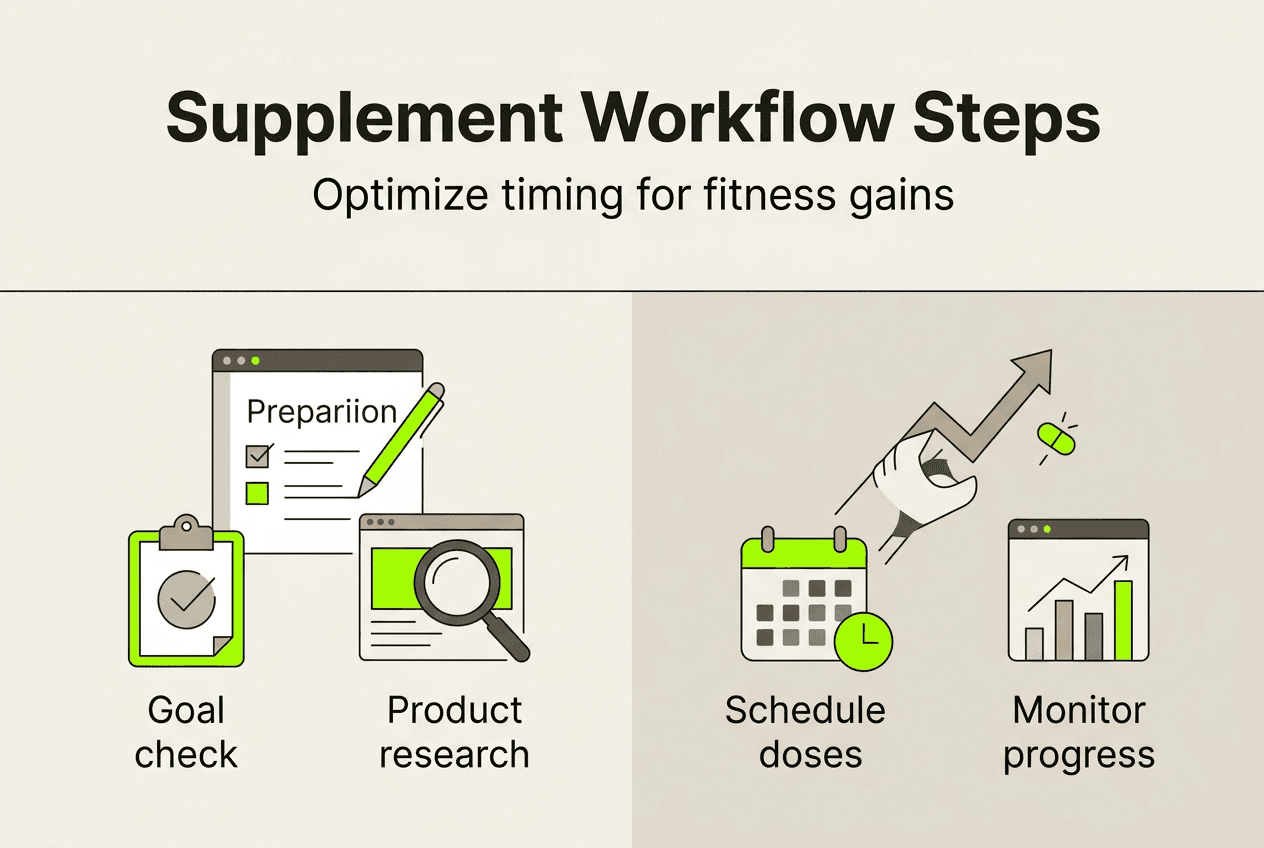
Organising supplements for accessibility ensures consistency. Physical barriers to compliance sabotage even the best-designed protocols. Invest in pill organisers, shaker bottles, and storage solutions that make supplement intake effortless. Prepare weekly portions during a dedicated time block, eliminating daily decision fatigue. Place supplements in visible locations tied to existing habits, such as near your gym bag or breakfast preparation area.
Consider these preparation essentials:
- Document your specific fitness goals with measurable targets
- Research clinical evidence supporting each supplement in your stack
- Create a detailed schedule mapping supplements to workout phases
- Invest in organisational tools that reduce friction in daily routines
- Establish backup plans for travel or schedule disruptions
| Preparation Element | Purpose | Time Investment |
|---|---|---|
| Goal assessment | Clarifies supplement selection criteria | 30-60 minutes initially |
| Efficacy research | Validates product choices with evidence | 2-3 hours per supplement |
| Schedule creation | Optimises timing for maximum benefit | 1-2 hours |
| Organisation setup | Removes barriers to consistent intake | 1 hour weekly |
Pro Tip: Photograph your organised supplement setup and schedule, then review these images weekly to maintain accountability and catch deviations before they become habits.
This preparation phase establishes the foundation for sustainable supplement workflows that adapt to your evolving needs. Resources on selecting vitamins for athletes and workout nutrition optimisation offer additional guidance for building comprehensive nutritional strategies supporting peak performance.
Executing your supplement workflow step by step
Implementing precise timing transforms supplement effectiveness from mediocre to exceptional. Begin your day with foundational supplements like multivitamins and omega-3 fatty acids alongside breakfast, ensuring fat-soluble vitamins absorb properly. This morning routine establishes consistency whilst supporting overall health beyond training-specific needs.
Pre-workout supplementation requires strategic timing for optimal results. Consume caffeine-based pre-workouts 30-45 minutes before training to allow absorption and peak stimulant effects during your session. Beta-alanine and citrulline malate benefit from similar timing windows, supporting enhanced blood flow and reduced fatigue. Some athletes prefer taking creatine pre-workout, though post-workout timing proves equally effective provided consistency remains paramount.
Intra-workout supplements support sustained performance during extended training sessions. For workouts exceeding 90 minutes, branched-chain amino acids prevent muscle breakdown whilst carbohydrate-electrolyte solutions maintain energy and hydration. Endurance athletes particularly benefit from compounds that reduce lactic acid accumulation by 15-26%, enabling longer training durations at higher intensities.
Post-workout nutrition creates the foundation for recovery and adaptation. Within 60 minutes of finishing training, consume fast-digesting protein alongside carbohydrates to replenish glycogen stores and initiate muscle repair. Whey protein isolate provides rapid amino acid delivery, whilst dextrose or maltodextrin quickly restore depleted energy reserves. This critical window maximises your body’s heightened nutrient sensitivity following exercise stress.
Adjust dosages based on training intensity and duration:
- Light training days require maintenance doses of foundational supplements only
- Moderate intensity sessions warrant standard pre and post-workout protocols
- High-intensity or volume training demands increased carbohydrate and electrolyte support
- Competition or peak performance days justify maximum recommended dosages across all categories
- Rest days focus on recovery supplements like glutamine and anti-inflammatory compounds
| Training Goal | Primary Supplements | Optimal Timing | Expected Outcome | | — | — | — | | Endurance enhancement | Lactic acid reducers, electrolytes, BCAAs | Pre and intra-workout | Extended performance capacity, delayed fatigue | | Muscle growth | Protein, creatine, leucine | Post-workout and daily | Increased hypertrophy, strength gains | | Recovery acceleration | Glutamine, omega-3s, antioxidants | Post-workout and evening | Reduced soreness, faster adaptation | | Energy optimisation | Caffeine, B-vitamins, adaptogens | Pre-workout and morning | Improved focus, sustained output |
Pro Tip: Set phone reminders for supplement timing initially until the routine becomes automatic. After three weeks, most athletes find the schedule feels natural without technological prompts.
Incorporating variety prevents adaptation whilst targeting multiple performance aspects. Rotate between different protein sources throughout the week, alternating whey, casein, and plant-based options to provide diverse amino acid profiles. Cycle pre-workout formulas every 8-12 weeks to maintain caffeine sensitivity and prevent tolerance build-up. This strategic variety keeps your body responsive whilst addressing endurance, recovery, and muscle growth simultaneously. Detailed guidance on supplement timing workflow and pre and post workout supplements expands these execution principles further.
Monitoring results and refining your workflow
Tracking key performance indicators reveals whether your supplement workflow delivers promised benefits. Monitor endurance metrics like time to exhaustion, average heart rate during sustained efforts, and perceived exertion levels across identical workouts. Strength athletes should record working weights, repetitions completed, and rest periods required between sets. These objective measurements cut through subjective feelings and marketing promises to show genuine progress.
Recovery time provides another critical assessment metric. Note how many hours pass before muscle soreness subsides and energy levels return to baseline following intense training. Effective supplementation should progressively reduce recovery duration, allowing increased training frequency without accumulated fatigue. Track sleep quality, morning readiness scores, and motivation levels as additional recovery indicators that reflect overall adaptation.

Subjective energy assessment throughout the day offers valuable workflow feedback. Rate your energy levels at consistent times using a simple 1-10 scale, watching for patterns that correlate with supplement timing changes. Sudden afternoon crashes might indicate inadequate intra-workout nutrition, whilst persistent morning sluggishness could reflect insufficient evening recovery support. These subjective measures complement objective performance data to create comprehensive workflow evaluation.
Watch for common errors that undermine supplement effectiveness:
- Skipping doses due to inconvenient timing or forgotten preparation
- Inconsistent intake schedules that prevent physiological adaptation
- Excessive dosages that waste money without additional benefits
- Neglecting to adjust protocols as training demands change seasonally
- Failing to account for dietary intake when calculating supplement needs
Digital tools simplify tracking and identify improvement opportunities. Fitness apps allow logging supplement intake alongside workout data, revealing correlations between consistency and performance outcomes. Spreadsheets provide flexible customisation for athletes preferring detailed analysis. Even simple notebook entries create accountability whilst building awareness of patterns you might otherwise miss. The tracking method matters less than establishing consistent measurement habits.
Research demonstrates that reducing lactic acid by 15-26% through targeted supplementation produces measurable endurance improvements. Compare your tracked metrics against these evidence-based benchmarks to assess whether your current stack performs adequately or requires adjustment.
Consistency in supplement workflow is key to unlocking measurable performance improvements.
Adjust supplement types or timing based on observed results and evolving goals. If endurance metrics plateau despite consistent supplementation, consider rotating to different compounds or adjusting dosage timing relative to training. Strength gains stalling might indicate inadequate protein intake or suboptimal post-workout nutrition windows. Your workflow should evolve continuously as your body adapts and training demands shift throughout competitive seasons.
Quarterly workflow reviews create structured refinement opportunities. Every three months, analyse your tracking data to identify successful elements worth maintaining and areas requiring modification. This systematic approach prevents reactive changes based on single disappointing workouts whilst ensuring your supplement strategy remains aligned with current goals. Resources on improving workout performance and building supplement routine provide additional frameworks for ongoing optimisation.
Discover quality supplements to support your workflow
Implementing an optimised supplement workflow requires access to quality products backed by clinical evidence rather than marketing hype. MyGymSupplements curates a comprehensive selection of fitness and health supplements specifically chosen to support athletic performance and recovery goals. The platform organises products by training objectives, making it simple to find compounds that align with your endurance, strength, or recovery priorities.
The range includes evidence-based formulations like Xendurance products that demonstrate measurable lactic acid reduction and aerobic threshold improvements in clinical studies. Whether you need pre-workout energy support, intra-workout endurance enhancement, or post-workout recovery acceleration, you will find scientifically formulated options that integrate seamlessly into the workflow strategies outlined in this guide. Shopping with confidence means knowing your supplement choices rest on solid research rather than empty promises, allowing you to focus energy on training rather than second-guessing product effectiveness.
FAQ
What is a health supplement workflow and why is it important?
A health supplement workflow is a structured routine that organises when and how you take various supplements relative to your training schedule. It ensures maximum effectiveness by aligning supplement intake with your body’s metabolic windows and specific workout demands. Without a systematic workflow, even quality supplements deliver inconsistent results because timing and selection remain haphazard rather than strategic.
How can timing affect the benefits of supplements during training?
Taking supplements at optimal times dramatically boosts their absorption and physiological impact. Pre-workout compounds need 30-45 minutes to reach peak blood concentrations, whilst post-workout nutrition must arrive within 60 minutes to capitalise on heightened nutrient sensitivity. Intra-workout supplements support sustained performance during extended sessions by preventing energy depletion and muscle breakdown. Missing these critical windows means your supplements cannot deliver their intended benefits regardless of quality.
What are common mistakes to avoid in a supplement routine?
Skipping doses and maintaining irregular timing are the most frequent errors that undermine supplement effectiveness. Many athletes also fail to align supplement choices with their specific training goals, wasting money on products that do not address their actual needs. Taking excessive dosages beyond recommended amounts rarely improves results and often creates unnecessary expense. Neglecting to adjust protocols as training demands change seasonally prevents your workflow from supporting evolving performance requirements.
How do I know if my supplement workflow is working effectively?
Monitor objective performance metrics like endurance capacity, strength progression, and recovery duration to assess workflow effectiveness. Keep detailed logs tracking supplement intake alongside training results to identify correlations between consistency and improvements. Subjective indicators like energy levels, sleep quality, and motivation also provide valuable feedback about whether your current routine supports optimal adaptation. If tracked metrics show progressive improvement over 4-6 weeks, your workflow is functioning properly.
Recommended
- Fitness Supplement Timing Workflow for Peak Performance – MyGymSupplements
- Fitness Supplement Timing Workflow for Peak Performance – MyGymSupplements
- How to Maintain Supplement Schedule for Peak Fitness Results – MyGymSupplements
- How to Maintain Supplement Schedule for Peak Fitness Results – MyGymSupplements

0 comments