

TL;DR:
- Focus on consistent training, sleep, and balanced diet before using supplements.
- Creatine and protein are the most proven, safest supplements for beginners.
- Use supplements as small multipliers, not replacements, for solid foundational habits.
Starting your fitness journey is exciting, but walking into a supplement shop or browsing online can feel genuinely overwhelming. There are hundreds of products making bold claims, and it is hard to know what is real, what is hype, and what you actually need. The good news is that the science is clearer than the marketing suggests. A small handful of well-researched supplements can genuinely support your progress, while most of the rest are unnecessary. This guide cuts through the noise and gives you a straightforward, evidence-backed framework so you can make confident, safe choices from day one.
Table of Contents
- Understand the essentials: food first, supplements second
- Top evidence-based supplements for beginners
- How to use supplements safely and effectively
- Troubleshooting and avoiding common mistakes
- Monitoring results and knowing when to adjust
- Real progress comes from solid foundations, not magic pills
- Next steps: streamline your supplement journey
- Frequently asked questions
Key Takeaways
| Point | Details |
|---|---|
| Prioritise food first | Supplements should enhance, not replace, whole food nutrition and consistent training. |
| Focus on proven basics | Protein and creatine offer the strongest benefits and evidence for beginners. |
| Introduce safely | Start with essential supplements one at a time, using recommended dosages. |
| Monitor and adjust | Regularly assess your results and adjust your supplement routine as needed. |
Understand the essentials: food first, supplements second
Before you spend a penny on supplements, it helps to understand what they are actually for. The word “supplement” means exactly that: something added on top of an existing foundation. They are not shortcuts, meal replacements, or magic powders. They are tools for optimising what you are already doing well.
The most important principle in sports nutrition basics is simple: build your results on consistent training, quality sleep, and a balanced diet first. Supplements come after those habits are in place, not instead of them. Research from the Open Sports Sciences Journal confirms that a food first approach is essential, with beginners advised to focus on protein and creatine before anything else.
Once your foundations are solid, a few key supplement categories are worth knowing about:
- Protein supplements (whey, casein, plant-based): help you hit your daily protein targets
- Creatine monohydrate: supports strength, power, and muscle growth
- Omega-3 fatty acids: reduce inflammation and support joint health
- Vitamin D: addresses a very common deficiency that affects muscle function
- Multivitamins: fill nutritional gaps, especially for those with restricted diets
“Supplements enhance but do not replace balanced nutrition, consistent training, and sleep. Beginners should focus on protein and creatine first.”
Harvard Health also notes that multivitamin recommendations depend heavily on your existing diet and lifestyle, meaning there is no one-size-fits-all answer. Start simple, build gradually, and always ask whether your food intake could solve the problem first.
Top evidence-based supplements for beginners
With the food first foundation in place, let’s identify which supplements truly deliver results for beginners. The table below summarises the core options, their benefits, and typical dosages.
| Supplement | Primary benefit | Typical daily dose |
|---|---|---|
| Whey protein | Muscle repair and growth | 20-40g post-workout |
| Creatine monohydrate | Strength, power, recovery | 3-5g |
| Vitamin D | Bone health, muscle function | 2000-4000 IU |
| Omega-3 (EPA/DHA) | Inflammation, joint health | 1-2g |
| Multivitamin | Micronutrient insurance | As labelled |
Creatine monohydrate stands out as the single most studied supplement in sports science. According to the Cleveland Clinic, creatine improves strength, power, muscle growth, and recovery with just 3-5g per day. It is affordable, safe, and backed by decades of research.
Protein is equally important. Research published in Frontiers in Nutrition recommends 1.6-2.2g of protein per kilogram of bodyweight daily for muscle repair and growth, with 20-40g of whey protein post-workout being particularly effective.
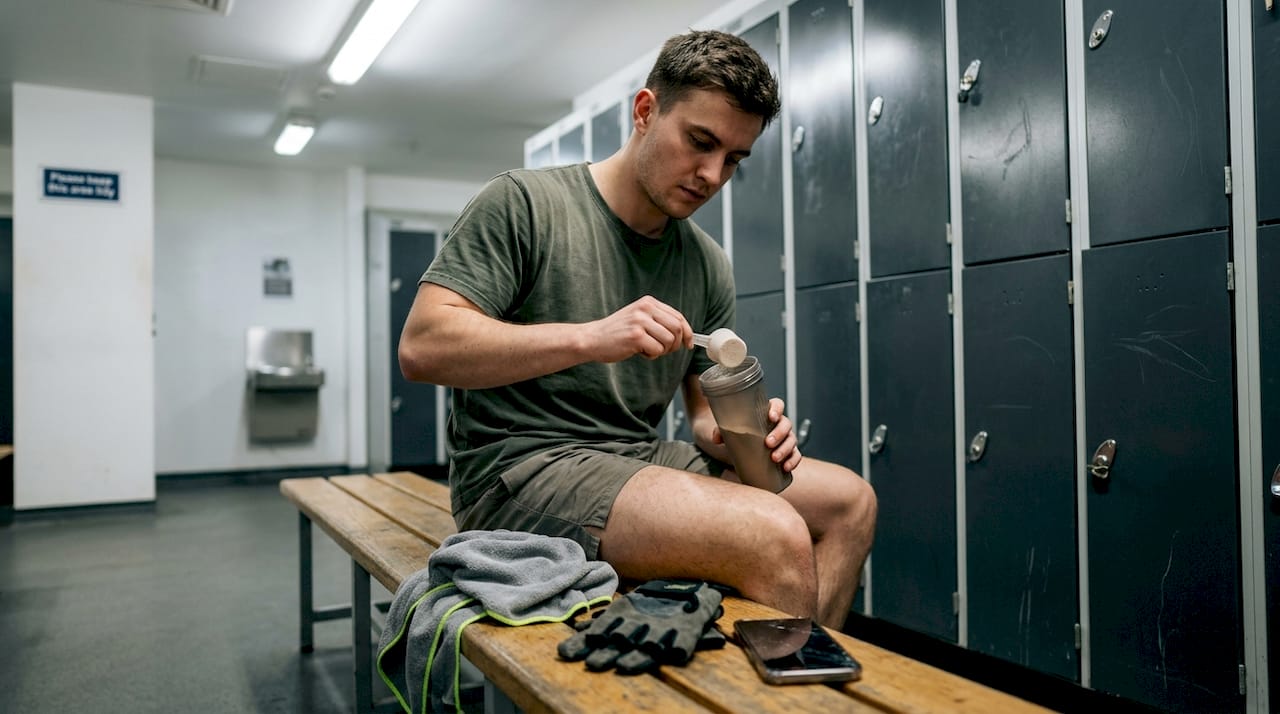
Vitamin D is worth considering because deficiency is extremely common, especially in the UK. Vitamin D supplementation at 2000-4000 IU daily supports muscle function, bone health, and recovery. Omega-3 fatty acids at 1-2g EPA/DHA daily reduce inflammation and support joint health, which matters more as training intensity increases.
Pro Tip: Start with just creatine and protein for your first 8-12 weeks. These two supplements offer the strongest evidence base and give you the clearest signal of what is working. You can explore supplements for strength and recovery and fitness supplements for athletes once you have the basics dialled in.
How to use supplements safely and effectively
Knowing what works, the next step is using these supplements correctly and safely for maximum benefit. Here is a practical step-by-step approach:
- Audit your diet first. Identify where your nutrition falls short before buying anything.
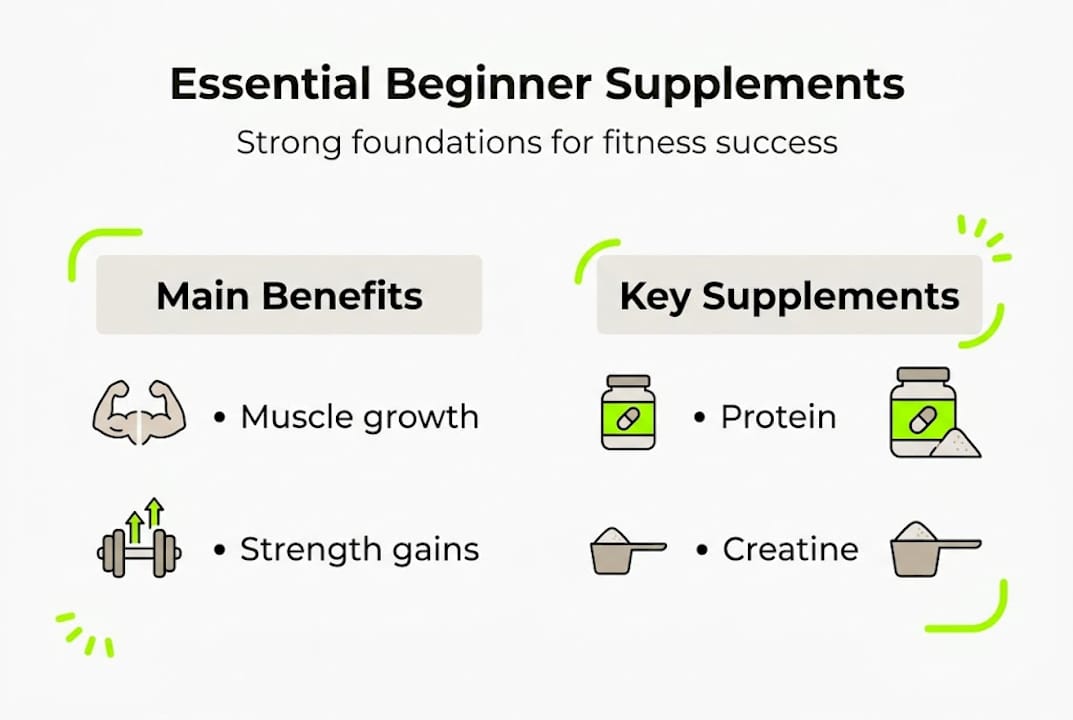
- Choose one or two essentials. Protein and creatine are the best starting point for most beginners.
- Use correct dosages. More is not better. Stick to the evidence-based amounts.
- Be consistent. Creatine works through daily accumulation, not occasional use.
- Introduce one supplement at a time. This helps you identify what is and is not working.
The table below shows recommended timing for key supplements:
| Supplement | Best time to take | Notes |
|---|---|---|
| Whey protein | Post-workout or with meals | Flexible timing matters less than total intake |
| Creatine | Any time daily | Consistency is more important than timing |
| Vitamin D | With a meal containing fat | Improves absorption |
| Omega-3 | With meals | Reduces any digestive discomfort |
For those introducing supplements for the first time, the Cleveland Clinic notes that vegetarians and vegans benefit especially from creatine because their dietary intake is naturally lower. This makes it an even higher priority for plant-based beginners.
Research from Rational Growth shows that creatine delivers 5-15% strength gains in meta-analyses, while protein timing is less critical than hitting your total daily intake. The Mayo Clinic also offers solid guidance on choosing protein powder if you are unsure which type suits you best.
Pro Tip: Before adding vitamin D or iron, get a blood test to check your actual levels. Supplementing nutrients you are not deficient in offers no benefit and can occasionally cause harm at high doses. Review tips for choosing supplements before making any purchases.
Troubleshooting and avoiding common mistakes
Even with the right supplements, some common errors can derail progress if not recognised and corrected. Here are the mistakes beginners make most often:
- Overdosing on supplements, thinking more will accelerate results faster
- Buying products based on marketing claims rather than scientific evidence
- Neglecting sleep and nutrition while spending heavily on supplements
- Stacking too many new products at once, making it impossible to know what is helping
- Relying on supplements to compensate for poor training or inconsistent effort
One particularly important caution involves antioxidants. Research published in PMC shows that excessive antioxidant supplementation such as high doses of vitamin C and E can actually blunt the training adaptations your body is trying to make. This is counterintuitive but important. Similarly, caffeine boosts acute performance but tolerance builds quickly, reducing its effectiveness over time.
“The most expensive supplement stack in the world will not outperform a consistent training programme, seven hours of sleep, and a protein-rich diet.”
For a thorough breakdown of what the supplement evidence actually supports, it is worth reading beyond the product labels. The goal is to build a lean, effective routine. For further reading on safe supplement introduction, we have a dedicated guide that walks you through the process step by step.
Monitoring results and knowing when to adjust
Once you have begun, it is important to assess whether your approach is working and update your supplement plan as you progress. Here is how to do it systematically:
- Track your performance weekly. Note changes in strength, endurance, or recovery speed.
- Log how you feel. Energy levels, sleep quality, and mood are all useful signals.
- Review every 8-12 weeks. Ask honestly whether each supplement is contributing.
- Remove what is not working. Fewer supplements used consistently beats many used sporadically.
- Add new options gradually. Only introduce something new once your current routine is stable.
For older beginners or those with restricted diets, Harvard Health recommends that multivitamins fill gaps in micronutrient intake, though they should never replace whole food sources. If you are not eating a varied diet, a basic multivitamin is a sensible safety net.
Pro Tip: Reassess your supplement needs every three months. Your requirements will shift as your fitness improves, your diet evolves, and your training goals change. What you need at week four is different from what you need at month twelve.
For those wanting to understand specific nutrients better, our guides on selecting vitamins and the importance of vitamin D are a great place to deepen your knowledge.
Real progress comes from solid foundations, not magic pills
Here is something we have observed time and again: the beginners who make the fastest, most sustainable progress are almost never the ones with the most elaborate supplement routines. They are the ones who train consistently, sleep well, eat enough protein, and use just a couple of proven supplements to fill genuine gaps.
It is tempting to believe that the right stack will unlock results you cannot get through effort alone. But that thinking puts the cart before the horse. Supplements are multipliers. They amplify a solid foundation. They cannot create one from scratch.
We have seen people spend hundreds of pounds monthly on exotic blends while skipping meals and sleeping five hours a night. The results are predictably poor. Meanwhile, someone using basic creatine and whey protein alongside a structured training plan and decent nutrition will outperform them every time.
The smartest approach is to treat your supplement routine like a lean business: keep only what earns its place, cut what does not, and reinvest in what works. Our guide on nutrition basics for results explains exactly how to build that foundation properly.
Next steps: streamline your supplement journey
You now have a clear, evidence-backed framework for choosing and using supplements as a beginner. The next step is finding products you can actually trust. At MyGymSupplements, we stock a carefully curated range of beginner-friendly supplements, from whey proteins and creatine to vitamin D and omega-3s, all chosen with quality and transparency in mind. There is no pressure to buy everything at once. Start with the essentials, build your routine, and let the results guide your next decisions. If you want to explore further, our guide on best supplements for muscle is a great next read.
Frequently asked questions
Do I need to take supplements as a beginner?
Supplements are not mandatory, but certain ones like protein and creatine can genuinely help if your diet or recovery habits are falling short. Research confirms that a food first approach should always come before supplementation.
What’s the most effective supplement to start with?
Creatine monohydrate and whey protein are the most researched and effective options for beginners. The Cleveland Clinic confirms that 3-5g of creatine daily improves strength, power, and recovery with a strong safety record.
Are multivitamins necessary if I eat a balanced diet?
If your diet is genuinely varied and balanced, a multivitamin offers little extra benefit. However, Harvard Health notes they are useful for older adults or those with restricted eating patterns.
How soon will I see results from supplements?
Most beginners notice measurable benefits from creatine or protein within three to six weeks when paired with consistent training. Meta-analyses show creatine delivers 5-15% strength improvements over time.

0 comments