

Choosing effective fitness supplements can feel overwhelming when faced with hundreds of products making bold claims. Athletes and fitness enthusiasts need clear, evidence-based guidance to invest wisely in supplements that genuinely enhance muscle gain, recovery, and performance. This article cuts through the marketing noise to present the top supplements backed by scientific research in 2025, helping you make informed decisions that align with your training goals and deliver measurable results.
Table of Contents
- Key takeaways
- Criteria for selecting effective fitness supplements
- Top supplements for strength and muscle gain
- Supplements that enhance endurance and performance
- Supplements with limited evidence for performance benefits
- Comparing top fitness supplements: a side-by-side overview
- Discover top supplements for your fitness goals
- Frequently asked questions
Key Takeaways
| Point | Details |
|---|---|
| Protein foundation for strength | Protein supplementation delivers a substantial effect on muscular strength, making it the foundational choice for athletes engaged in conditioning training. |
| Creatine strong evidence | Creatine increases phosphocreatine for ATP resynthesis and enhances strength through well established metabolic pathways. |
| Collagen advantage over whey | Recent meta analyses show collagen yields greater gains in strength and fat free mass than whey. |
| Dosing and timing matter | Total daily intake and chronic loading influence effectiveness more than post workout timing emphasising a planned approach. |
Criteria for selecting effective fitness supplements
Selecting the right supplements requires moving beyond marketing hype to evaluate actual scientific evidence. Efficacy varies by sport, dosing, athlete level, gender; prioritise evidence-based, individualised protocols over hype, making it essential to understand what works for your specific situation. Consider these key factors when evaluating any supplement.
Your training level and sport type dramatically influence supplement effectiveness. Elite athletes respond differently to recreational exercisers, whilst endurance sports demand different supplementation strategies than strength training. Gender differences also matter, as hormonal variations affect how your body processes and responds to certain compounds.
Dosing protocols separate effective supplementation from wasted money. Some supplements like beta-alanine require chronic loading over weeks, whilst others like caffeine work acutely. Understanding these timing requirements helps you plan supplementation cycles that match your competition schedule and training phases.
Pro Tip: Track your response to each supplement individually before combining multiple products. Keep a training log noting performance metrics, recovery quality, and any side effects to identify what genuinely works for your body.
Supplement mechanisms reveal why certain products work and help predict their effectiveness for your goals. Creatine enhances ATP regeneration for explosive power, whilst protein provides amino acid building blocks for muscle repair. This knowledge prevents falling for supplements with implausible claims that contradict basic physiology.
Individual variation means even well-researched supplements may not work identically for everyone. Genetic factors, gut microbiome composition, and existing nutritional status all influence outcomes. Starting with proven supplements and systematically testing them gives you personalised data to guide future choices. Setting clear fitness supplement goals before purchasing helps you measure whether products deliver promised benefits.
Top supplements for strength and muscle gain
Protein supplementation is most effective for muscular strength in conditioning athletes, delivering a standardised mean difference of 0.64 compared to control groups. This substantial effect makes protein your foundational supplement choice for building muscle and increasing strength. Whey protein remains popular for its rapid absorption and complete amino acid profile, but emerging research reveals surprising alternatives.
Collagen protein superior to whey for strength and fat-free mass gains, showing a standardised mean difference of 0.41 in recent meta-analyses. This challenges conventional wisdom about protein sources and opens new options for athletes seeking diverse protein intake. Collagen provides specific amino acids like glycine and proline that support connective tissue health alongside muscle development.
Dosing strategies matter tremendously for protein supplementation. Aim for 1.6-2.2 grams per kilogram of body weight daily, distributed across multiple meals to optimise muscle protein synthesis. Post-workout timing offers convenience but matters less than total daily intake, giving you flexibility in scheduling.
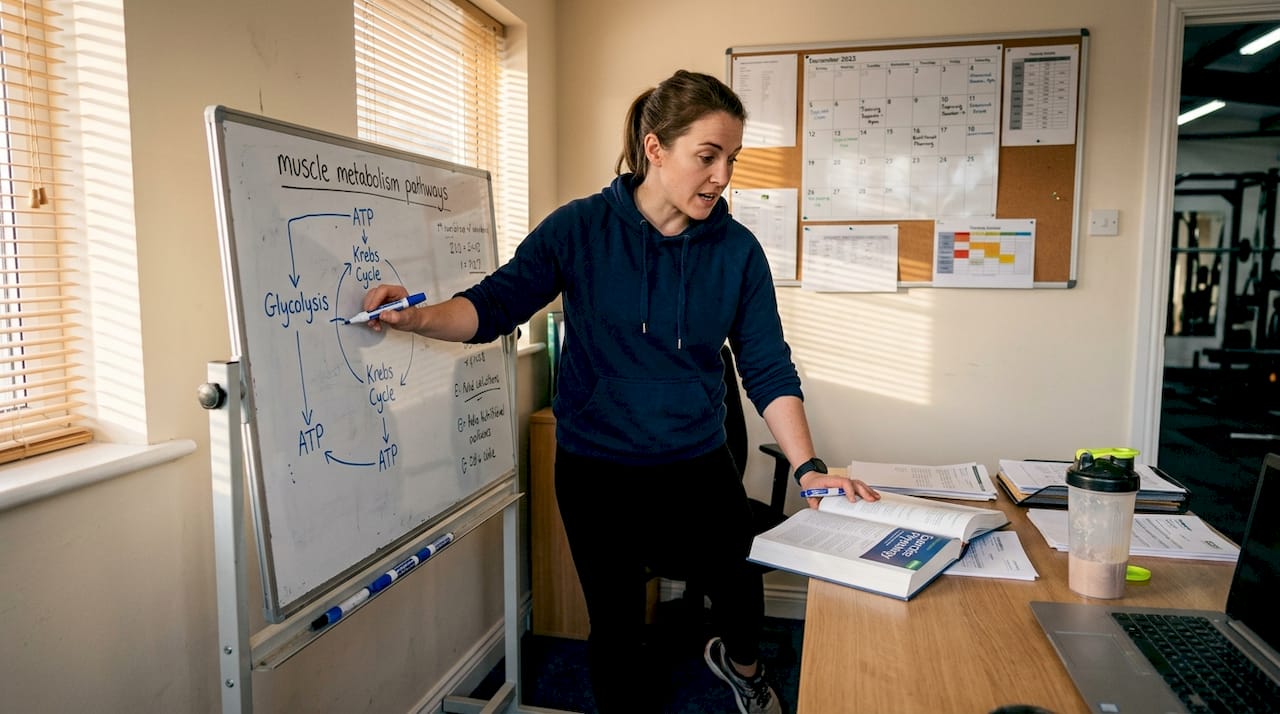
Creatine increases phosphocreatine for ATP resynthesis, enhancing strength through well-understood metabolic pathways. This supplement stands as one of the most researched and consistently effective options available. Standard loading involves 20 grams daily for five to seven days, followed by 3-5 grams daily for maintenance.
Pro Tip: Creatine monohydrate remains the gold standard despite marketing claims for newer forms. Save money by choosing this proven, inexpensive option rather than premium alternatives lacking superior evidence.
Plant-based protein alternatives work effectively for vegans and those avoiding dairy, provided you consume adequate amounts to match leucine content in animal proteins. Pea, rice, and hemp proteins can support muscle gain when dosed appropriately, typically requiring slightly higher amounts than whey. Exploring effective fitness supplements key examples athletes use helps identify quality options suited to your dietary preferences.
- Protein timing flexibility allows convenient scheduling around training and meals
- Collagen offers unique benefits beyond traditional whey protein options
- Creatine loading accelerates saturation but maintenance dosing works over time
- Plant proteins require slightly higher doses to match animal protein leucine content
Supplements that enhance endurance and performance
Beta-alanine boosts endurance and jump performance, reduces fatigue via carnosine buffering, making it particularly valuable for athletes in sports requiring repeated high-intensity efforts. This supplement requires patience, as benefits emerge after four to six weeks of consistent dosing at 3-6 grams daily. The characteristic tingling sensation many users experience is harmless and typically diminishes with continued use.
Elite athletes gain the most from beta-alanine supplementation, whilst recreational exercisers may see smaller benefits. This pattern reflects how highly trained individuals push closer to physiological limits where carnosine buffering becomes critical. If you compete at high levels or train with extreme intensity, beta-alanine deserves consideration in your supplement stack. Learning what is beta alanine helps you understand its mechanisms and optimal usage.
Caffeine consistently improves power output, endurance, and strength at 3-6 mg/kg doses, making it one of the most reliable performance enhancers available. This translates to roughly 210-420 milligrams for a 70-kilogram athlete, easily obtained from supplements or strong coffee. Caffeine works across diverse exercise types, from strength training to endurance events.
Timing matters significantly with caffeine supplementation. Peak blood levels occur 45-60 minutes after ingestion, so plan consumption accordingly before training or competition. Caffeine also reverses performance decrements that occur during non-optimal times of day, helping morning trainers perform better despite circadian disadvantages.
Nitrate supplements show mixed effects, mainly benefit endurance with chronic dosing, particularly for time-to-exhaustion measures. Beetroot juice provides a popular natural source, though concentrated nitrate supplements offer convenience. Effects appear stronger in recreational athletes compared to elite performers, possibly because trained individuals already optimise nitric oxide production through regular exercise.
Pro Tip: Avoid antibacterial mouthwash when using nitrate supplements, as oral bacteria convert nitrate to nitrite in the first step of the pathway. Mouthwash eliminates these beneficial bacteria and blocks supplement effectiveness.
| Supplement | Primary benefit | Optimal dose | Timing strategy |
|---|---|---|---|
| Beta-alanine | Reduces fatigue | 3-6 g daily | Chronic loading 4-6 weeks |
| Caffeine | Power and endurance | 3-6 mg/kg | 45-60 minutes pre-exercise |
| Nitrate | Endurance capacity | 300-600 mg | 2-3 hours before or chronic daily |
- Beta-alanine requires weeks of loading before performance benefits emerge
- Caffeine provides acute benefits but tolerance develops with daily use
- Nitrate timing varies between acute and chronic supplementation protocols
- Individual responses vary significantly, especially for nitrate supplements
Supplements with limited evidence for performance benefits
HMB, BCAAs, and vitamin D show inconsistent or no significant benefits for performance or lean mass, despite their popularity in fitness communities. This disconnect between marketing and evidence costs athletes money whilst delivering minimal returns. Understanding which supplements lack strong support helps you allocate resources towards proven options.
HMB (beta-hydroxy beta-methylbutyrate) shows theoretical promise for reducing muscle breakdown, but meta-analyses reveal inconsistent real-world results. Some studies suggest minor benefits for untrained individuals beginning exercise programmes, yet trained athletes see negligible effects. The high cost of effective HMB doses makes this supplement particularly poor value compared to alternatives.
BCAAs (branched-chain amino acids) face similar evidence problems. Whilst leucine plays crucial roles in muscle protein synthesis, consuming isolated BCAAs provides no advantage over complete protein sources that include all essential amino acids. You already obtain sufficient BCAAs from protein-rich foods and supplements, making additional BCAA products redundant for most athletes. Reviewing top amino acid supplements comparison reveals why complete proteins outperform isolated amino acids.
Vitamin D supports bone health and immune function, but evidence for direct muscle gain or performance enhancement remains weak. Correcting deficiency certainly matters for overall health, yet supplementing beyond adequate levels provides no additional athletic benefits. Test your vitamin D status before supplementing rather than assuming you need extra.
Many marketed supplements offer placebo benefits not supported by controlled research. The psychological boost from believing in a supplement can temporarily improve performance, but this effect fades whilst the financial cost continues. Focus investment on proven supplements to optimise training outcomes without wasting resources on ineffective products.
- HMB costs significantly more than proven alternatives like creatine
- BCAAs provide no advantage over complete protein sources
- Vitamin D supplementation only benefits those with confirmed deficiency
- Regular review of emerging research helps update supplement choices
- Placebo effects can mask lack of genuine physiological benefits
Comparing top fitness supplements: a side-by-side overview
Comparing supplements side by side reveals clear patterns in effectiveness, dosing requirements, and suitability for different athletes. This comparison helps you prioritise supplements that match your specific goals and training level whilst avoiding products with limited evidence.
| Supplement | Strength benefit | Endurance benefit | Athlete level | Typical dose | Loading required |
|---|---|---|---|---|---|
| Protein | High | Moderate | All levels | 1.6-2.2 g/kg daily | No |
| Collagen | High | Low | All levels | 15-20 g daily | No |
| Creatine | High | Low | All levels | 3-5 g daily | Optional |
| Beta-alanine | Moderate | High | Elite preferred | 3-6 g daily | Yes |
| Caffeine | Moderate | High | All levels | 3-6 mg/kg | No |
| Nitrate | Low | Moderate | Recreational preferred | 300-600 mg | Beneficial |
Co-supplementation strategies can enhance results beyond single supplements. Combining creatine and beta-alanine can enhance high-intensity repeated bouts but shows no additional benefit for pure strength or aerobic performance. This specificity matters when designing supplement stacks, as combining products only makes sense when their mechanisms complement your training demands.
Strength athletes should prioritise protein, collagen, and creatine as their foundational supplements. These three provide the strongest evidence for increasing muscular strength and supporting muscle gain. Adding caffeine before training sessions offers acute performance benefits without requiring daily supplementation.
Endurance athletes gain most from beta-alanine, caffeine, and potentially nitrates depending on individual response. These supplements target fatigue resistance and sustained power output crucial for longer efforts. Protein remains important for recovery but takes lower priority than supplements directly enhancing endurance capacity.
Pro Tip: Start with one or two proven supplements before adding others. This approach lets you assess individual effectiveness and identify any adverse reactions before investing in complex stacks.
Dosing variability requires attention to body weight, training intensity, and competition schedules. Caffeine and nitrates scale with body mass, whilst creatine and beta-alanine use relatively fixed doses. Understanding these patterns helps you calculate appropriate amounts without over-supplementing. Exploring how to combine supplements optimal fitness 2026 provides detailed protocols for effective stacking strategies.
Discover top supplements for your fitness goals
Finding quality supplements that match the evidence discussed throughout this article requires choosing suppliers committed to transparency and testing. MyGymSupplements shop offers a comprehensive selection of evidence-backed fitness supplements categorised by specific goals like muscle gain, recovery, endurance, and performance enhancement. The platform provides detailed product information helping you make informed choices aligned with your training needs.
Quality assurance matters significantly when purchasing supplements, as contamination and inaccurate labelling plague the industry. Selecting suppliers who prioritise third-party testing and transparent ingredient lists protects your health and competition eligibility. The convenience of online shopping combined with expert guidance helps you navigate options efficiently.
Whether you need protein for muscle gain, creatine for strength, or beta-alanine for endurance, exploring trusted sources ensures you receive products matching label claims. Take time to review supplement information and match products to your personalised fitness plan for optimal results.
Frequently asked questions
Are fitness supplements safe for long-term use?
Most evidence-backed supplements like protein, creatine, and caffeine show excellent safety profiles with long-term use at recommended doses. Protein and creatine have decades of research confirming safety, whilst caffeine requires moderation to avoid dependence. Always follow dosing guidelines and consult healthcare providers if you have pre-existing conditions.
When should I take supplements for maximum effectiveness?
Timing varies by supplement type. Protein works well post-workout but total daily intake matters more than precise timing. Caffeine peaks 45-60 minutes after consumption, making it ideal pre-workout. Creatine and beta-alanine require daily dosing regardless of training schedule since they work through tissue saturation rather than acute effects.
Can I combine multiple supplements safely?
Combining proven supplements like protein, creatine, and caffeine is generally safe and may enhance results for specific training goals. However, adding numerous supplements simultaneously makes it impossible to assess individual effectiveness. Start with one or two core supplements, evaluate their impact, then add others strategically based on your response and training demands.
Do I need supplements if I eat a balanced diet?
Balanced nutrition provides the foundation for athletic performance, and supplements cannot compensate for poor dietary habits. However, even well-planned diets may not provide optimal amounts of compounds like creatine or beta-alanine at levels shown to enhance performance. Understanding 7 key nutrients muscle growth helps you identify where supplementation adds genuine value beyond whole foods.
How long before I see results from supplements?
Timelines vary dramatically by supplement type. Caffeine works within an hour, whilst creatine shows benefits after five to seven days of loading. Beta-alanine requires four to six weeks of consistent dosing before performance improvements emerge. Protein supports gradual muscle gain over weeks to months when combined with proper training. Set realistic expectations based on each supplement’s mechanism rather than expecting immediate transformation.
Recommended
- Effective fitness supplements: key examples for athletes
- 7 Essential Types of Performance Enhancers Explained – MyGymSupplements
- 7 Essential Types of Performance Enhancers Explained – MyGymSupplements
- Top 4 Best Supplement Stack for Muscle Gain 2026 – MyGymSupplements
- Best plant protein for muscle gain: a 2026 guide – Granavitalis

0 comments