

TL;DR:
- Electrolytes are essential minerals that regulate fluid balance, nerve signaling, and muscle contraction.
- Proper electrolyte intake prevents hyponatraemia, cramps, and performance decline caused by imbalanced hydration.
- Personalizing hydration and electrolyte strategies through testing optimizes athletic performance and recovery.
Drinking plenty of water sounds like the obvious answer to staying hydrated during training. But here is the uncomfortable truth: flooding your body with plain water without balancing electrolytes can be just as harmful as not drinking enough. Sodium dilution, cramping, and sluggish muscle response are all risks that diligent athletes face when they focus on volume alone. Electrolytes are the missing piece in most hydration strategies, and understanding them properly can genuinely separate good performances from great ones. This guide breaks down what electrolytes are, how they affect your output, and how to personalise your approach for real results.
Table of Contents
- What are electrolytes and why do they matter?
- How electrolytes impact hydration and performance
- Recognising and preventing electrolyte-related muscle cramps
- Personalising electrolyte intake: testing, monitoring, and strategies
- The overlooked truth: performance is personal
- Optimise your training with high-quality electrolyte solutions
- Frequently asked questions
Key Takeaways
| Point | Details |
|---|---|
| Balance hydration and sodium | Drinking to thirst and matching sodium loss is crucial for safe and effective performance. |
| Cramps aren’t always electrolytes | Muscle cramps can stem from fatigue as well as sodium loss, so treat your own risk factors. |
| Customise electrolyte strategies | Track body weight, sweat rate, and recovery markers to find your best personal approach. |
| Monitor before, during, after | Effective strategies include sodium/fluid loading pre-activity and targeted replacement during and after. |
What are electrolytes and why do they matter?
Electrolytes are electrically charged minerals dissolved in your body fluids. The key players are sodium, potassium, magnesium, calcium, and chloride. Every time a nerve fires or a muscle contracts, electrolytes are doing the work. Without them, your cells simply cannot communicate properly.
For athletes, the three most critical functions are:
- Fluid balance: Electrolytes regulate how water moves in and out of cells, keeping tissues properly hydrated at a cellular level.
- Nerve signalling: Sodium and potassium create the electrical gradients that allow nerve impulses to travel at speed.
- Muscle contraction: Calcium triggers muscle fibres to contract; magnesium helps them relax again. Get this wrong and cramps, twitches, or weakness follow.
Imbalances happen more easily than most athletes expect. Heavy sweating, drinking too much plain water, or simply not eating enough mineral-rich food can all tip the balance. The symptoms start subtly: mild fatigue, a slight headache, or a feeling that your legs are heavier than usual. Left unchecked, they escalate to cramping, confusion, and, at the extreme end, hyponatraemia (dangerously low blood sodium).
To put a number on it, plasma sodium between 135-145 mmol/L is the safe physiological range for performance. Drop below that and your body starts to malfunction in ways that no amount of extra water will fix.
If you want to go deeper on the science, our comprehensive electrolyte guide covers every mineral in detail. You can also explore the benefits of using electrolytes to understand how supplementation fits into a broader training plan.
The bottom line: electrolytes are not optional extras. They are the infrastructure your performance runs on.
How electrolytes impact hydration and performance
Hydration is not just about the volume of fluid you consume. It is about what that fluid carries. Electrolytes, particularly sodium, act as anchors that hold water inside your cells and blood vessels. Without them, water passes through your system without doing its job.
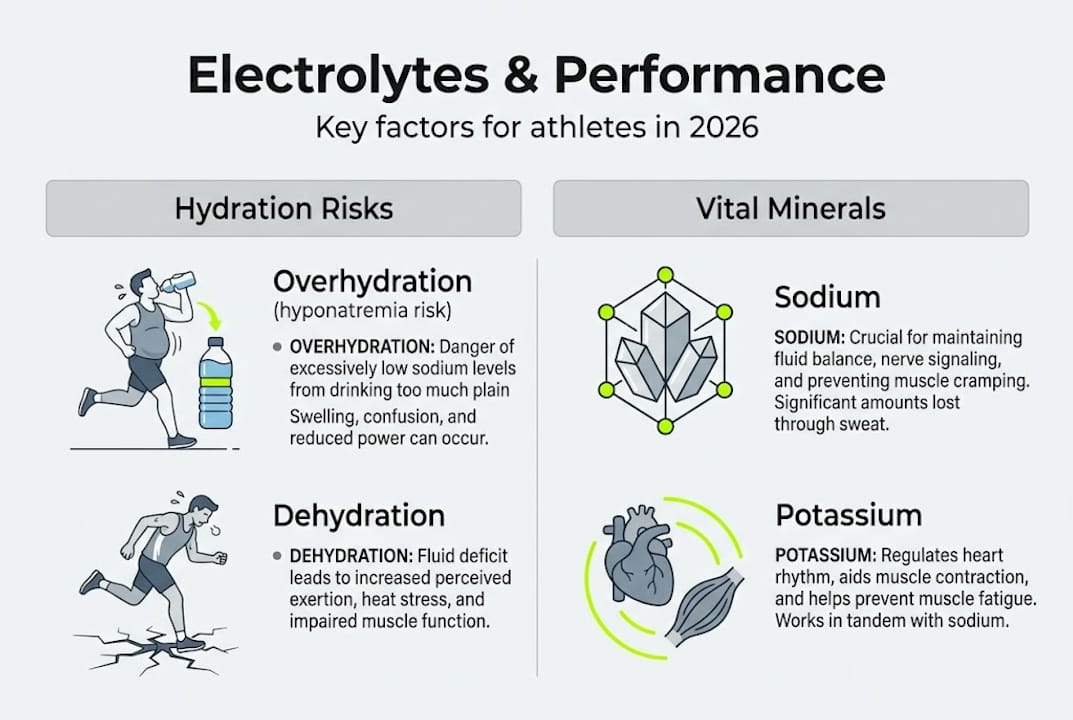
One of the most underappreciated risks in endurance sport is overhydration. Drinking plain water excessively during long events can dilute blood sodium to dangerous levels, causing hyponatraemia. This is not a rare edge case. It has hospitalised marathon runners and triathletes who were doing everything they thought was right.
Sweat is not just water, either. It contains sodium, potassium, and other minerals, and the concentration varies enormously between individuals. Sweat sodium can range from 230 to 2,300 mg per litre. That is a tenfold difference. Two athletes doing the same session in the same heat may have completely different replacement needs.
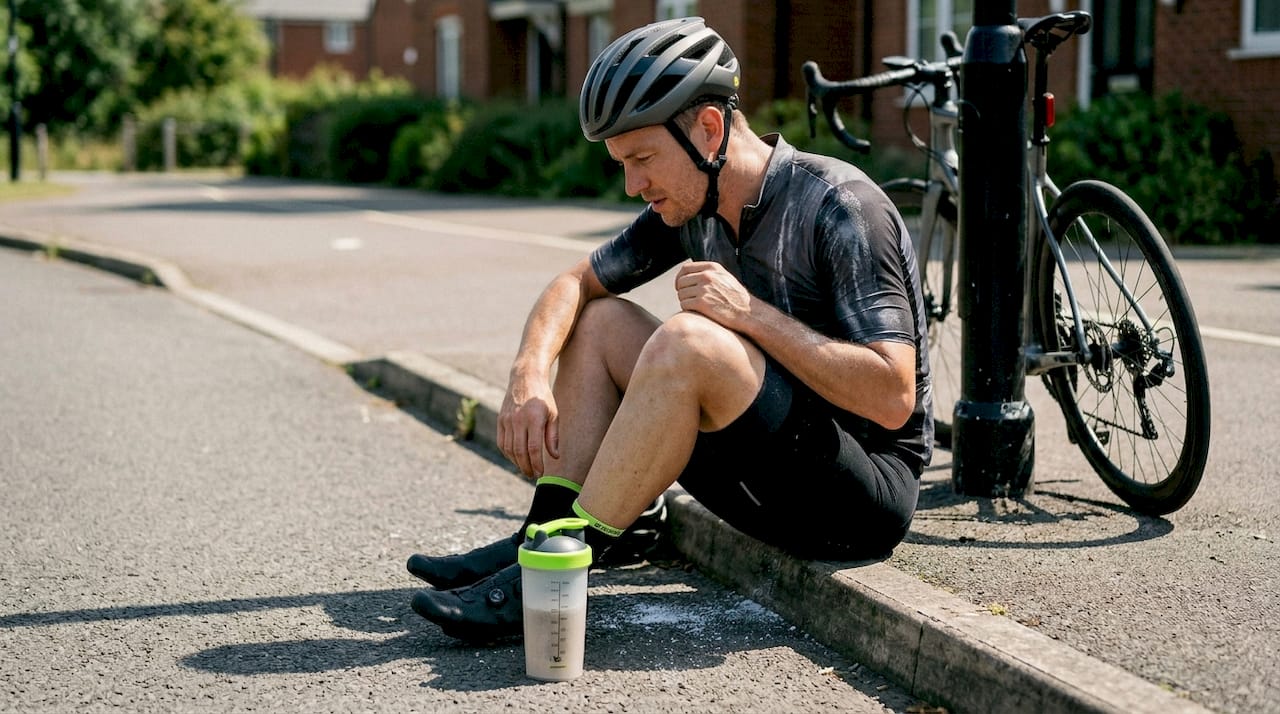
Performance starts to decline at just a 2% loss of body weight from fluid. At that point, blood volume drops, your heart works harder, and your perceived effort climbs. Electrolytes help prevent the fluid shifts that accelerate this decline.
| Hydration scenario | Sodium status | Performance risk |
|---|---|---|
| Adequate water + electrolytes | Balanced | Low |
| High water, low electrolytes | Diluted | Hyponatraemia risk |
| Low water, low electrolytes | Depleted | Cramping, fatigue |
| Low water, adequate electrolytes | Concentrated | Dehydration risk |
Pro Tip: If you finish a session feeling bloated but still thirsty, you may be overhydrating with plain water. Try adding a sodium-containing drink to your next session and see how your body responds.
For a broader view of how electrolytes fit into sport, read our guide on electrolytes in sports nutrition. Pairing electrolyte strategies with the right vitamins for recovery can further support your adaptation between sessions.
Recognising and preventing electrolyte-related muscle cramps
Muscle cramps are one of the most debated topics in sports science. For years, athletes were told that cramps meant they needed more water or more bananas. The reality is more nuanced.
There are two distinct types of cramp worth knowing:
- Fatigue-based cramps: These occur when a muscle is overworked and the neuromuscular system loses control of motor unit firing. They are not primarily caused by electrolyte loss.
- Exertional heat cramps: These happen when large sodium deficits accumulate during prolonged sweating in hot conditions. They tend to affect multiple muscle groups and are directly linked to electrolyte depletion.
Exertional heat cramps are linked to sodium deficits, while fatigue cramps are not always an electrolyte problem. Knowing which type you experience changes your prevention strategy entirely.
| Cramp type | Primary cause | Key prevention strategy |
|---|---|---|
| Fatigue cramp | Neuromuscular fatigue | Pacing, strength training |
| Exertional heat cramp | Sodium deficit + heat | Sodium loading, cool environment |
Practical steps to reduce your cramp risk:
- Track whether your cramps occur early (likely heat-related) or late in a session (likely fatigue-related).
- Check for a white, salty residue on your skin or kit after training. This signals high sodium loss.
- If you are a salty sweater, increase sodium intake before and during sessions in hot conditions.
- Do not rely on potassium alone. Sodium is the electrolyte most directly linked to heat cramps.
Pro Tip: If you cramp consistently in the same muscle group during long runs or rides, try increasing your sodium intake 60 to 90 minutes before the session. Many athletes find this alone reduces cramp frequency significantly.
For a full breakdown of supplementation strategies to address this, see our electrolyte supplement strategies guide.
Personalising electrolyte intake: testing, monitoring, and strategies
Generic advice only gets you so far. The athletes who consistently perform at their best are the ones who treat their body as an experiment and adjust based on real data.
Start with sweat rate testing. Weigh yourself without clothing before and after a one-hour session where you drink a measured amount. Every kilogram of weight lost equals roughly one litre of sweat. Sweat sodium loss can exceed 1,000 mg per hour for heavy or salty sweaters, which means standard sports drinks may not come close to replacing what you lose.
For day-to-day monitoring, body weight and urine specific gravity are the most practical tools available. Pale yellow urine signals good hydration. Dark yellow or amber means you need more fluid and likely more electrolytes. Clear urine can actually indicate overhydration.
Here is a simple framework to structure your approach:
- Pre-activity: Consume 400 to 600 ml of fluid with sodium in the two hours before training. This primes your plasma volume.
- During activity: Aim for cool sodium-carbohydrate drinks rather than plain water, especially for sessions over 60 minutes.
- Post-activity: Prioritise sodium, carbohydrates, and protein together. Sodium drives thirst and helps you retain the fluid you drink.
- Track and adjust: Keep a simple log of your weight, urine colour, and how you felt. Patterns will emerge within two to three weeks.
- Environment matters: Increase sodium intake in hot, humid conditions or at altitude, where sweat rates climb.
Pro Tip: Weigh yourself at the same time each morning for a week. A drop of more than 1% from your average baseline suggests you are going into sessions already under-hydrated.
Our hydration tracking tips give you a practical system to implement this. If you are unsure which products suit your needs, our guide to picking electrolyte drinks walks you through the key differences.
The overlooked truth: performance is personal
Here is something the standard hydration advice rarely acknowledges: the guidelines are averages, and you are not average. Sweat rate, sodium concentration, gut tolerance, and training environment all vary so much between individuals that following a one-size-fits-all plan is almost guaranteed to leave something on the table.
We see this constantly. Two athletes training side by side, same session, same duration. One finishes fine. The other cramps up in the final kilometre. The difference is rarely effort or fitness. It is almost always individual physiology meeting a strategy that was never designed for them specifically.
The most effective approach is curiosity. Test sodium loading before a hard session. Try a different electrolyte product on a long run. Record what happens. The data you collect on yourself is worth more than any population-level study.
Generic recommendations are a starting point, not a finish line. Read about electrolyte powder benefits to understand the options available, then experiment until you find what genuinely works for your body and your sport.
Optimise your training with high-quality electrolyte solutions
Understanding electrolytes is one thing. Having the right products to act on that knowledge is another. At MyGymSupplements, we stock a carefully selected range of science-backed electrolyte powders and supplements designed for athletes who take their performance seriously.
Whether you are a high-volume endurance athlete losing large amounts of sodium per session, or a gym-based athlete looking to sharpen recovery, there is a product suited to your needs. Our electrolyte powders explained guide will help you choose the right formula. Browse the full range today and take the guesswork out of your hydration strategy.
Frequently asked questions
What are the symptoms of low sodium or hyponatraemia in athletes?
Symptoms include nausea, headache, confusion, and muscle weakness. Severe hyponatraemia below 130 mmol/L can lead to serious neurological complications and requires immediate medical attention.
How can I determine if I’m losing too much salt in sweat?
Look for a white, crusty residue on your skin or kit after training. Sweat sodium varies widely between individuals, so weighing before and after sessions helps you quantify total fluid and electrolyte loss.
Do sports drinks always provide all the electrolytes I need?
Not always. Commercial sports drinks vary significantly in sodium and potassium content, so check labels carefully and consider supplementing with an electrolyte powder if your losses are high.
Are muscle cramps always a sign of electrolyte imbalance?
No. Most exercise cramps are caused by neuromuscular fatigue rather than electrolyte loss. However, sodium loss causes heat cramps specifically during prolonged exertion in hot conditions.
What is the most practical way to monitor hydration status as an athlete?
Weigh yourself before and after each session and monitor urine colour daily. Body weight and urine specific gravity are the most reliable and accessible tools for tracking real-time hydration status.

0 comments