

Think muscle cramps during workouts mean you just need more electrolytes? Think again. While electrolytes play a vital role in athletic performance, many athletes misunderstand how they work and when supplementation actually helps. This guide clarifies what electrolytes are, how they affect your training, and evidence-based strategies to optimise your intake for peak performance and faster recovery.
Table of Contents
- Introduction To Electrolytes: What They Are And Why They Matter
- How Electrolytes Affect Athletic Performance And Recovery
- Factors Influencing Electrolyte Loss And Needs In Athletes
- Common Misconceptions About Electrolytes And Their Use In Sports Nutrition
- Practical Strategies For Electrolyte Replenishment In Athletes
- How MyGymSupplements.shop Supports Athletes’ Electrolyte Needs
- Frequently Asked Questions
Key takeaways
| Point | Details |
|---|---|
| Electrolytes regulate function | They maintain fluid balance, nerve signals, and muscle contractions essential for athletic output. |
| Loss varies individually | Sweat rate and sodium concentration differ widely based on genetics, heat, and exercise intensity. |
| Imbalance affects performance | Depletion causes fatigue, cramps, and dizziness whilst excess water intake without sodium risks hyponatraemia. |
| Cramps aren’t always electrolyte-related | Neuromuscular fatigue, not low electrolytes, causes most exercise-induced cramping. |
| Personalised strategies work best | Tailor timing, sources, and quantities to your sweat profile and training demands. |
Introduction to electrolytes: what they are and why they matter
Electrolytes are charged minerals vital for nerve and muscle function; they carry electrical charges that enable your body to perform essential physiological processes. Without adequate electrolytes, your muscles cannot contract properly, your nerves cannot transmit signals efficiently, and your body struggles to maintain optimal fluid balance.
The main electrolytes your body relies on include:
- Sodium: Regulates fluid balance, blood pressure, and nerve transmission
- Potassium: Controls muscle contractions and heart rhythm
- Magnesium: Supports energy production and muscle relaxation
- Calcium: Essential for bone health and muscle contraction
- Chloride: Works with sodium to maintain fluid balance
These minerals exist as ions in your blood, sweat, and cells. They create electrical gradients that allow muscles to contract and relax during exercise. When you move, your nervous system sends electrical impulses through electrolyte-rich fluids to trigger muscle fibres. This process demands consistent electrolyte availability.
During physical activity, maintaining proper electrolyte levels becomes even more critical. Your muscles work harder, generating heat that triggers sweating. This cooling mechanism expels not just water but significant amounts of sodium and smaller quantities of other electrolytes. Understanding why use electrolytes helps you recognise when replenishment becomes necessary.
Athletes face unique challenges because training depletes these minerals faster than sedentary lifestyles. High-intensity sessions, long endurance events, and hot environments accelerate losses. Without strategic replenishment, performance suffers and recovery slows. Learning about what is electrolyte drink guide provides practical solutions for maintaining optimal levels during demanding training schedules.
How electrolytes affect athletic performance and recovery
Sodium plays the lead role in athletic performance. It helps your body retain fluid in blood vessels, maintaining blood volume and pressure during exercise. When blood volume drops, your heart works harder to deliver oxygen to working muscles, accelerating fatigue. Adequate sodium prevents this cascade.
Sodium loss through sweat leads to muscle cramps, early fatigue and impaired endurance; sodium replenishment during exercise improves performance in endurance athletes.
Sweating creates a continuous drain on your electrolyte stores. As exercise intensity and duration increase, sweat losses compound. Your body prioritises cooling over electrolyte conservation, meaning prolonged sessions in warm conditions can deplete sodium to critical levels. This depletion manifests as reduced coordination, mental fog, and decreased power output.
Electrolyte balance directly influences muscle cramping, though not always in the way most athletes assume. Severe sodium depletion can contribute to cramping, but the relationship is more nuanced than simply “low electrolytes equal cramps.” Other factors like muscle fatigue, inadequate conditioning, and neural overstimulation often play larger roles.
Recovery speed depends significantly on how quickly you restore electrolyte balance post-exercise. Your body cannot effectively rehydrate with water alone because electrolytes create the osmotic pressure that pulls fluid into cells. Without them, you simply urinate excess water without properly rehydrating tissues. This delays recovery and leaves you vulnerable to dehydration despite drinking plenty of fluids.
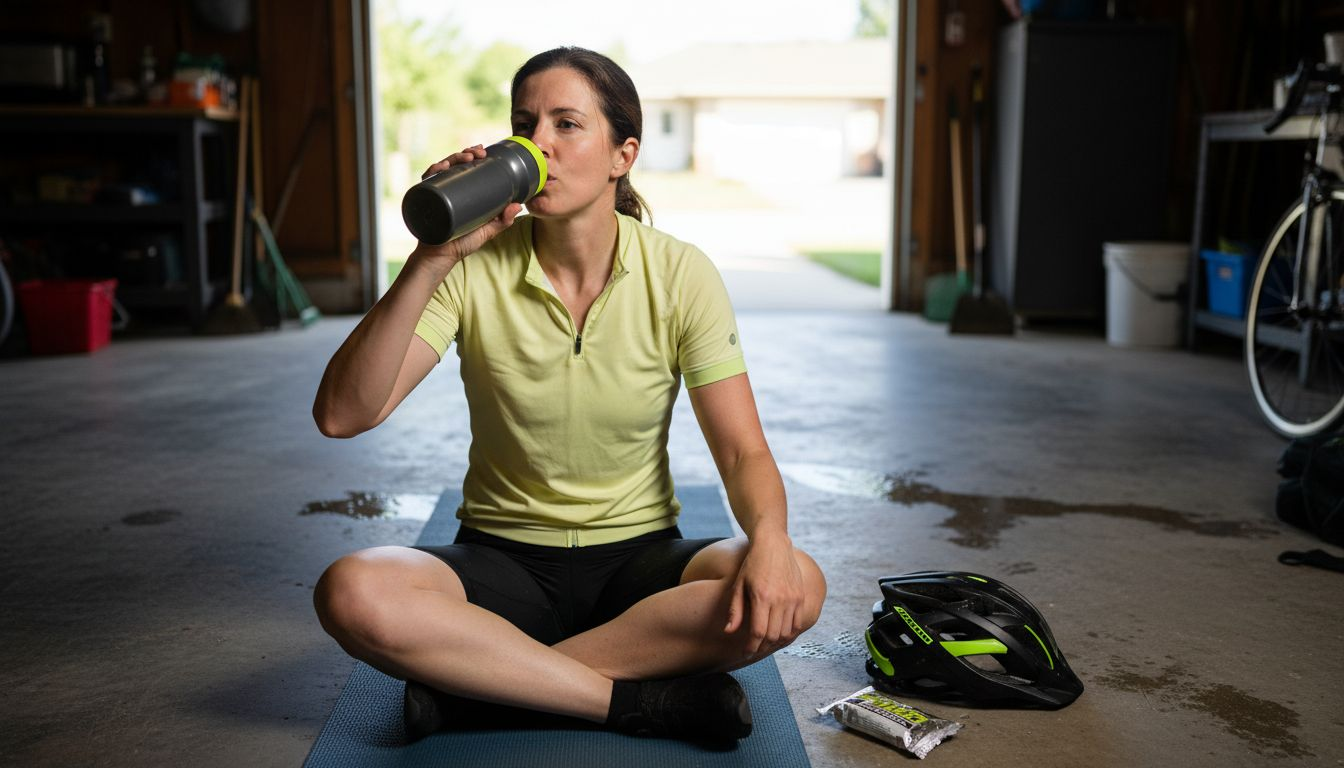
Potassium and magnesium support recovery through different mechanisms. Potassium helps restore muscle cell function and prevents excessive fluid retention. Magnesium reduces inflammation, supports protein synthesis, and aids muscle relaxation. Together with sodium, these minerals create an environment where damaged tissues can repair efficiently.
Understanding electrolytes in sports nutrition helps you connect these physiological processes to practical training applications. Athletes who manage electrolytes strategically report better endurance, faster recovery, and more consistent performance across training blocks.
Pro Tip: Monitor your urine colour and thirst levels post-workout. Dark urine and persistent thirst despite water intake suggest inadequate electrolyte replacement, not just dehydration.
Factors influencing electrolyte loss and needs in athletes
Your individual electrolyte needs differ dramatically from the athlete training beside you. Sweat rate ranges from 0.5 to 3L/hr with sodium concentration 15-90 mmol/L; this sixfold variation in both volume and concentration means generic recommendations often miss the mark.
Several key factors determine your personal electrolyte requirements:
- Exercise intensity and duration: Higher intensity and longer sessions increase sweat losses exponentially
- Environmental conditions: Heat and humidity dramatically accelerate sweat rate and sodium depletion
- Genetics: Some individuals naturally produce saltier sweat, losing more sodium per litre
- Fitness level: Well-trained athletes often sweat more efficiently but at higher volumes
- Hydration status: Starting exercise dehydrated amplifies electrolyte concentration in remaining fluids
- Acclimatisation: Heat adaptation improves sodium retention but takes 10-14 days
| Scenario | Sweat Rate (L/hr) | Sodium Loss (mg/hr) | Replenishment Priority |
|---|---|---|---|
| Low-intensity indoor session | 0.5-0.8 | 230-575 | Low (water sufficient) |
| Moderate outdoor training | 1.0-1.5 | 575-1380 | Moderate (consider electrolytes >90 min) |
| High-intensity hot conditions | 2.0-3.0 | 1150-2760 | High (electrolytes essential) |
These variations explain why one athlete thrives drinking only water whilst another suffers cramps and fatigue under identical conditions. Your genetic makeup and training adaptations create a unique sweat profile that demands personalised strategies.
Tracking your personal sweat losses provides actionable data. Weigh yourself before and after standardised training sessions. Each kilogramme lost represents roughly one litre of sweat. White residue on clothing or skin indicates high sodium concentration in your sweat, suggesting greater replacement needs.
Pro Tip: Conduct a sweat test during typical training conditions. Weigh yourself naked before exercise, train for one hour without drinking, then weigh again. The difference in kilogrammes equals your hourly sweat rate. Visible salt stains mean you need sodium-rich replacement strategies.
Exploring hydration tips athletes offers detailed protocols for assessing and addressing your individual needs. Generic electrolyte advice fails because it ignores these critical personal and environmental variables. Your replenishment strategy must reflect your specific physiology and training context.
Common misconceptions about electrolytes and their use in sports nutrition
The belief that electrolyte deficiency causes most muscle cramps persists despite contradictory evidence. Most exercise-induced cramps are linked to neuromuscular fatigue rather than electrolyte deficiencies, correcting the myth that low electrolytes cause cramps. Cramping typically results from muscle overload, inadequate conditioning for the task, or altered neuromuscular control when fatigued.
This misunderstanding leads athletes to consume excessive electrolytes unnecessarily, expecting cramp prevention that never materialises. Whilst severe sodium depletion can contribute to cramping in extreme cases, addressing training load, pacing, and conditioning proves more effective for most athletes.
Another widespread myth suggests every training session demands electrolyte supplementation. Short or moderate-intensity workouts under 60-90 minutes rarely deplete electrolytes sufficiently to impair performance. Your body maintains adequate stores for these efforts, making water sufficient for hydration. Supplementing unnecessarily adds expense without benefit.
Conversely, some athletes avoid electrolyte drinks entirely, believing water alone suffices for all situations. This approach becomes dangerous during prolonged intense exercise in heat. Drinking only water whilst losing significant sodium through sweat dilutes blood sodium concentration, potentially causing hyponatraemia. This serious condition produces confusion, nausea, and in severe cases, life-threatening swelling.
Key myths debunked:
- Myth: More electrolytes always improve performance
- Reality: Benefits plateau; excess provides no advantage and may cause gastrointestinal distress
- Myth: Sports drinks contain optimal electrolyte ratios for everyone
- Reality: Generic formulations cannot match individual sweat profiles; personalisation matters
- Myth: Natural food sources cannot meet athletic electrolyte needs
- Reality: Balanced diets provide adequate baseline electrolytes; supplements mainly benefit during prolonged exercise
- Myth: Cramping always signals electrolyte depletion
- Reality: Neuromuscular fatigue, poor conditioning, and pacing errors cause most cramps
Understanding electrolyte supplementation facts helps you distinguish evidence-based practices from marketing hype. Base your strategies on your actual needs, not assumptions or product claims.
Recognising when you genuinely need supplementation versus when you are wasting money empowers smarter nutrition choices. Learning about electrolytes misconceptions explained provides scientific clarity that improves both performance and budget management.
Practical strategies for electrolyte replenishment in athletes
Timing your electrolyte intake strategically maximises benefits whilst avoiding unnecessary supplementation. Follow these evidence-based protocols:
- Pre-exercise loading: Consume 300-500mg sodium 2-3 hours before prolonged sessions in heat to optimise fluid retention and blood volume.
- During exercise intake: Use electrolyte drinks with 20-30 mmol/L sodium during prolonged exercise; sip 150-250ml every 15-20 minutes during sessions exceeding 90 minutes or in hot conditions.
- Post-exercise recovery: Replace 150% of fluid losses within 4-6 hours post-exercise, including sodium to promote rehydration and prevent excessive urination.
- Daily baseline maintenance: Consume electrolyte-rich whole foods throughout the day to maintain adequate stores between training sessions.
Choosing between dietary sources and supplements depends on your specific situation. Whole foods provide electrolytes alongside other beneficial nutrients but lack the convenience and rapid absorption of supplements during exercise.
| Feature | Dietary Sources | Electrolyte Supplements |
|---|---|---|
| Absorption speed | Moderate (digestion required) | Fast (liquid form rapidly absorbed) |
| Sodium content | Variable, often lower | Precisely controlled, typically higher |
| Convenience during exercise | Low (solid foods impractical) | High (portable, easy to consume) |
| Cost | Moderate | Variable (affordable to premium) |
| Additional nutrients | Yes (vitamins, minerals, fibre) | Limited (targeted electrolytes) |
| Best timing | Daily baseline, post-workout meals | Pre, during, immediately post-exercise |
Natural electrolyte sources include bananas and potatoes for potassium, nuts and leafy greens for magnesium, and dairy or tinned fish for calcium. However, getting adequate sodium from whole foods during prolonged exercise proves challenging because most unprocessed foods contain relatively little.
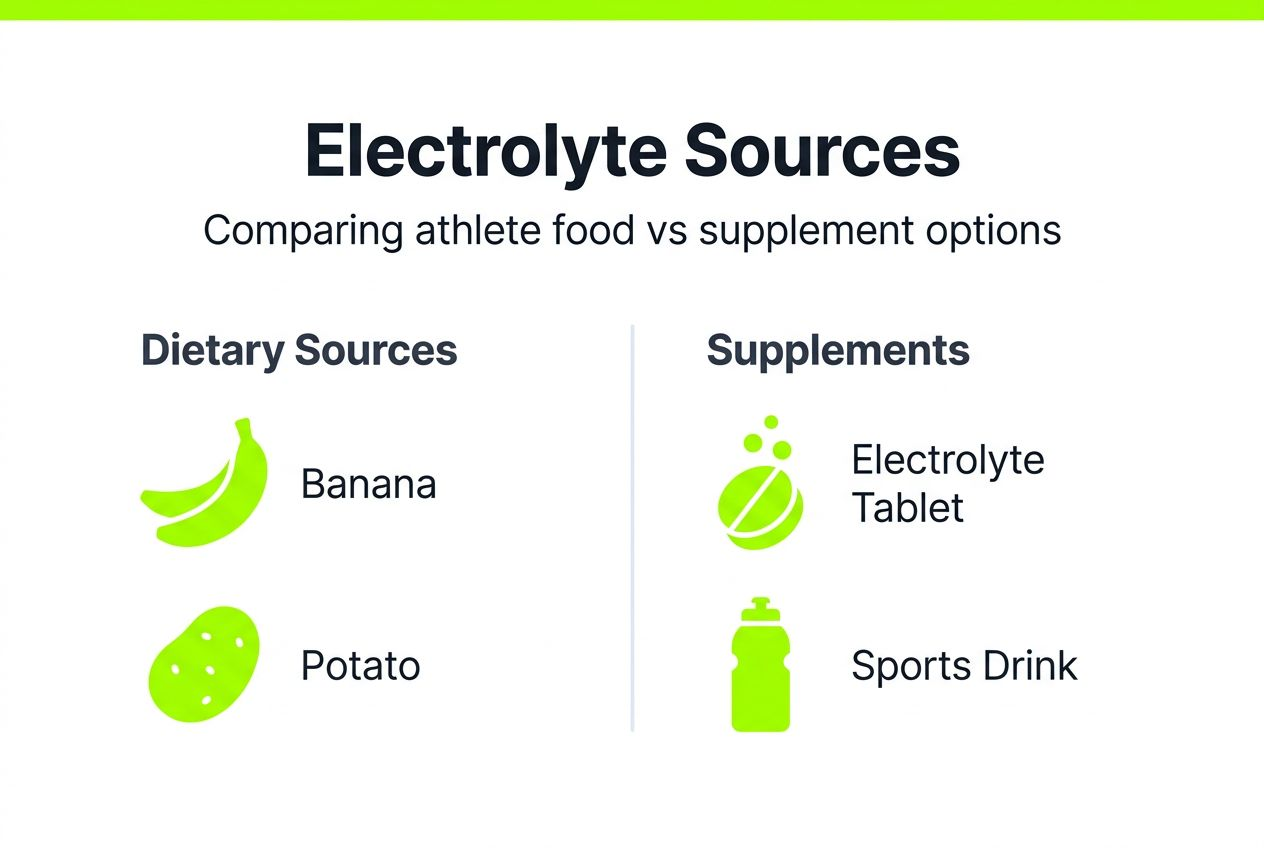
Supplements offer precise control over intake during critical windows. You can match sodium content to your personal sweat losses, ensuring optimal replacement without guesswork. This precision particularly benefits athletes with high sweat rates or salty sweat.
Pro Tip: Calculate your target sodium intake by multiplying your hourly sweat rate (in litres) by your sweat sodium concentration (use 50 mmol/L as average if unknown). Match supplement sodium content to this figure for optimal replenishment during long sessions.
Exploring the electrolytes guide provides detailed product comparisons to match supplements with your specific needs. Combining this knowledge with the post-workout nutrition guide creates a complete recovery strategy that addresses both immediate and long-term needs.
Consistency matters more than perfection. Establishing routines around timing and quantities ensures you maintain optimal electrolyte status throughout training blocks. Review electrolyte replenishment strategies regularly to refine your approach as training demands evolve.
How MyGymSupplements.shop supports athletes’ electrolyte needs
Applying this scientific understanding becomes easier when you have access to quality products designed for athletic demands. MyGymSupplements.shop offers electrolyte formulations tailored to different training intensities, durations, and environmental conditions. Whether you need high-sodium options for intense endurance work or balanced formulas for moderate sessions, the range accommodates diverse requirements.
Selecting appropriate supplements depends on matching sodium content to your sweat profile and exercise duration. Products designed for endurance athletes typically contain higher sodium concentrations, whilst those targeting general fitness provide moderate amounts suitable for shorter sessions. Many formulations include complementary nutrients like B vitamins and carbohydrates that support energy production alongside electrolyte replacement.
Pro Tip: Review product labels carefully, comparing sodium content per serving against your calculated hourly needs. Consult the detailed product guides and customer support to identify formulations matching your personal sweat rate and training goals.
Frequently asked questions
What are electrolytes?
Electrolytes are charged minerals including sodium, potassium, magnesium, calcium, and chloride that dissolve in body fluids. They conduct electrical impulses enabling nerve signals, muscle contractions, fluid balance, and pH regulation. Athletes lose electrolytes primarily through sweat, making strategic replenishment essential for sustained performance.
How do I know if I need electrolyte supplementation?
Supplementation becomes necessary when exercise exceeds 90 minutes, occurs in hot conditions, or produces profuse sweating. Signs you may need electrolytes include persistent fatigue despite adequate carbohydrate intake, headaches, dizziness, or white salt residue on skin and clothing after training. Short moderate sessions typically need only water.
Can I consume too many electrolytes?
Yes, excessive intake can cause gastrointestinal distress, nausea, and in extreme cases, dangerous electrolyte imbalances. Your kidneys typically excrete excess amounts, but overwhelming this system through megadosing provides no performance benefit. Match intake to losses rather than assuming more is better.
When should I drink electrolyte beverages versus plain water?
Choose plain water for sessions under 60-90 minutes at moderate intensity in cool conditions. Switch to electrolyte drinks when training exceeds 90 minutes, intensity is high, or temperatures are warm. During ultra-endurance events or multiple daily sessions, electrolyte beverages become essential for maintaining sodium balance.
Do all sports drinks provide adequate electrolyte replenishment?
No, sodium content varies dramatically between products, from 10-50 mmol/L or more. Many commercial sports drinks contain insufficient sodium for athletes with high sweat rates or salty sweat. Read labels carefully and calculate whether the sodium concentration matches your individual hourly losses during target exercise conditions.
Recommended
- What Is Electrolyte Drink? Complete Guide UK – MyGymSupplements
- Why Use Electrolytes for Peak Hydration Support – MyGymSupplements
- Electrolytes in Sports Nutrition: Hydration and Muscle Power – MyGymSupplements
- Complete Guide to Electrolyte Powder Benefits – MyGymSupplements
- Understanding Hair Care for Athletes: Keeping Your Style Strong - Joel C Ma Hair Studio
- Wellness Coaching - Esențial Impact – Bunăstare cu doTERRA

0 comments