

Many fitness enthusiasts believe antioxidants directly enhance strength or endurance performance. Scientific evidence tells a different story. Antioxidants primarily accelerate recovery speed and reduce muscle damage, not performance metrics. This guide clarifies how antioxidants function, their proven benefits for recovery, optimal use practices, and common supplementation mistakes to avoid for competitive athletes seeking faster bounce-back between training sessions.
Table of Contents
- Understanding Oxidative Stress In Exercise
- How Antioxidants Work: Mechanisms Of Action
- Antioxidants’ Impact On Performance And Recovery
- Comparing Antioxidant Types And Supplement Forms
- Common Misconceptions And Risks Of Antioxidant Supplementation
- Practical Guidelines For Antioxidant Supplementation
- Summary: Integrating Antioxidants Into Your Fitness Regimen
- Enhance Your Recovery With Expert-Recommended Supplements
- Frequently Asked Questions
Key Takeaways
| Point | Details |
|---|---|
| Exercise oxidative load | Exercise increases free radical production 2 to 5 times compared to rest, causing oxidative stress and muscle damage. |
| Antioxidant damage reduction | Vitamin C and E supplementation reduces oxidative damage markers by 30 to 40% post-workout through free radical neutralization. |
| Recovery improvement | Polyphenol antioxidants accelerate strength restoration up to 20%, while direct performance gains remain below 5%. |
| Natural source superiority | Whole food antioxidants show 50% better bioavailability versus isolated supplements due to synergistic compounds. |
| Excess supplementation risk | High-dose antioxidants may increase infection risk by 15% and blunt beneficial training adaptations. |
Understanding Oxidative Stress in Exercise
Intense physical training triggers a dramatic surge in reactive oxygen species production. Exercise can increase ROS production by 2 to 5 times compared to resting levels, creating oxidative stress that impairs muscle function and delays recovery. These unstable molecules attack cellular structures, causing microscopic damage to muscle fibers.
High-intensity interval sessions and prolonged endurance workouts particularly amplify this oxidative burden. The cellular chaos results in inflammation markers spiking, leading to familiar post-workout soreness and fatigue. Your muscles essentially face an internal chemical battlefield after each hard training session.
Understanding this oxidative cascade helps athletes make smarter recovery choices. When free radicals overwhelm your body’s natural antioxidant defenses, recovery slows and performance plateaus. Addressing oxidative stress becomes crucial for maintaining consistent training frequency and progression.
Key factors influencing oxidative load:
- Training intensity and duration directly correlate with ROS production levels
- Insufficient recovery time between sessions compounds oxidative damage
- Individual antioxidant enzyme capacity varies based on genetics and conditioning
- Environmental stressors like altitude and heat amplify oxidative stress
Learn more about strategic approaches in our muscle recovery guide and discover best vitamins for muscle recovery. Proper nutrition timing also matters, as discussed in our protein after workout benefits guide.
How Antioxidants Work: Mechanisms of Action
Antioxidants function through a straightforward electron exchange process. These molecules donate electrons to unstable free radicals, neutralizing their damaging potential before cellular injury occurs. This stabilization breaks the chain reaction of oxidative damage that would otherwise spread through muscle tissue.
Vitamin C operates in water-based cellular environments, protecting cytosol and extracellular fluid. Vitamin E targets fat-based areas, safeguarding cell membranes from lipid peroxidation. This complementary action means both vitamins address different vulnerability zones in your muscle cells.
Vitamin C and E supplementation can reduce markers of oxidative damage by approximately 30 to 40% post-exercise by donating electrons to free radicals. This reduction translates to less inflammation, decreased muscle soreness, and faster return to training readiness.
Timing your antioxidant intake maximizes protective effects:
- Consume antioxidants 30 to 60 minutes before high-intensity sessions for preventive action
- Take supplements immediately post-workout when oxidative stress peaks
- Maintain consistent daily baseline through antioxidant-rich foods
- Adjust dosing based on training load and recovery demands
Pro Tip: Pair water-soluble vitamin C with fat-soluble vitamin E for complete cellular protection coverage, rather than relying on a single antioxidant type.
Explore effective options in our guide to top antioxidant supplements and learn about glutathione antioxidant benefits for enhanced recovery support.
Antioxidants’ Impact on Performance and Recovery
Research clearly separates antioxidant effects on recovery versus direct performance enhancement. Polyphenol antioxidants like tart cherry juice reduce inflammation markers by 25% and muscle damage by 20%, accelerating recovery and strength restoration by up to 20%. These improvements help athletes train more frequently with better quality sessions.
Direct performance metrics tell a different story. Overall direct performance improvements from antioxidants are minimal, less than 5% in endurance and strength outcomes. You won’t suddenly lift heavier or run faster purely from antioxidant supplementation. The primary benefit centers on faster bounce-back between workouts.
Post-workout recovery improvements include:
- Reduced delayed onset muscle soreness intensity and duration
- Faster restoration of force production capacity in trained muscles
- Lower systemic inflammation markers measured 24 to 48 hours post-exercise
- Decreased perceived exertion during subsequent training sessions
Recovery Speed Increase: Athletes using polyphenol supplementation show 20% faster return to baseline strength levels compared to placebo groups.
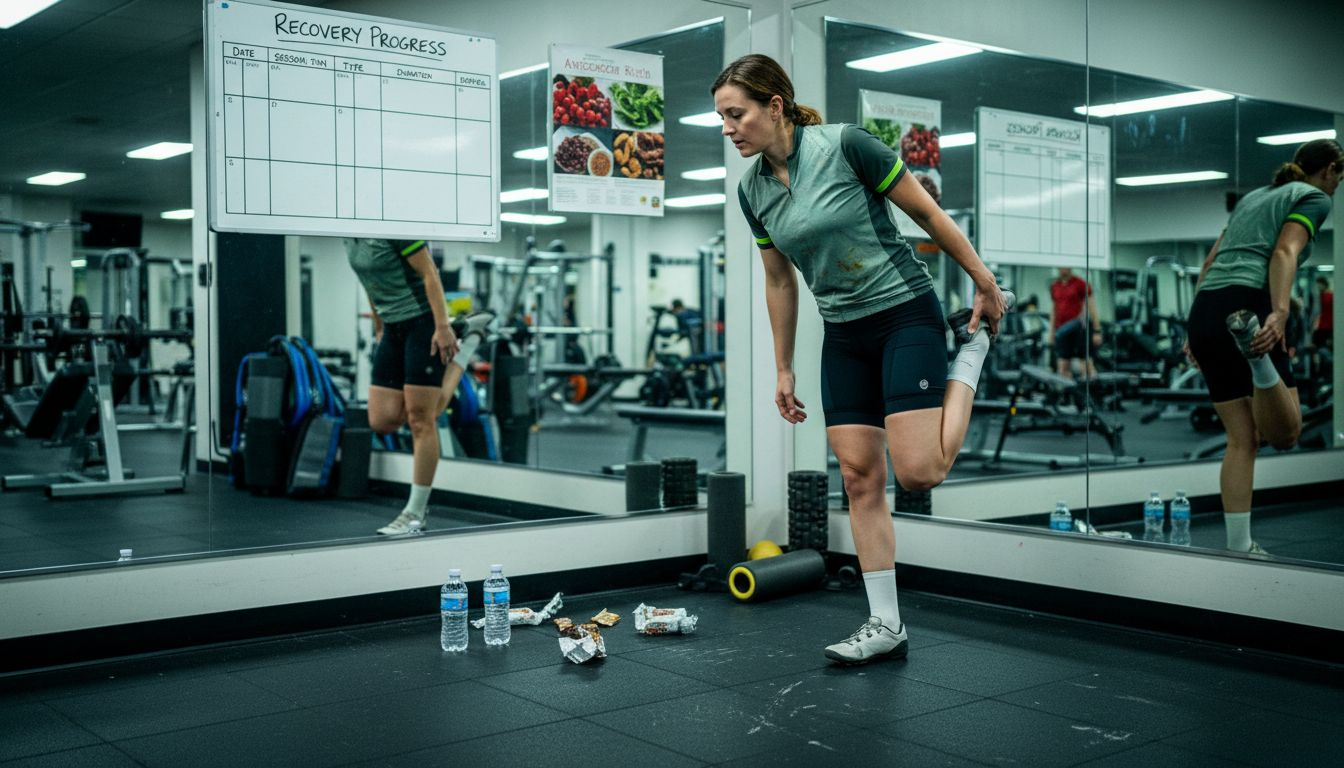
Expect antioxidants to function as recovery accelerators rather than performance enhancers. This distinction matters when setting realistic supplementation goals. Faster recovery enables higher training volume over time, which ultimately drives performance gains through increased workload capacity.
Review comprehensive strategies in our muscle recovery overview for integrated approaches.
Comparing Antioxidant Types and Supplement Forms
Different antioxidants offer distinct protective mechanisms and absorption characteristics. Vitamin C targets water-based cellular compartments with rapid absorption but shorter duration. Vitamin E protects lipid-rich cell membranes with sustained action but slower uptake.
Polyphenols from sources like tart cherries, blueberries, and green tea provide powerful anti-inflammatory effects beyond simple free radical neutralization. These plant compounds modulate cellular signaling pathways that regulate inflammation and recovery processes.
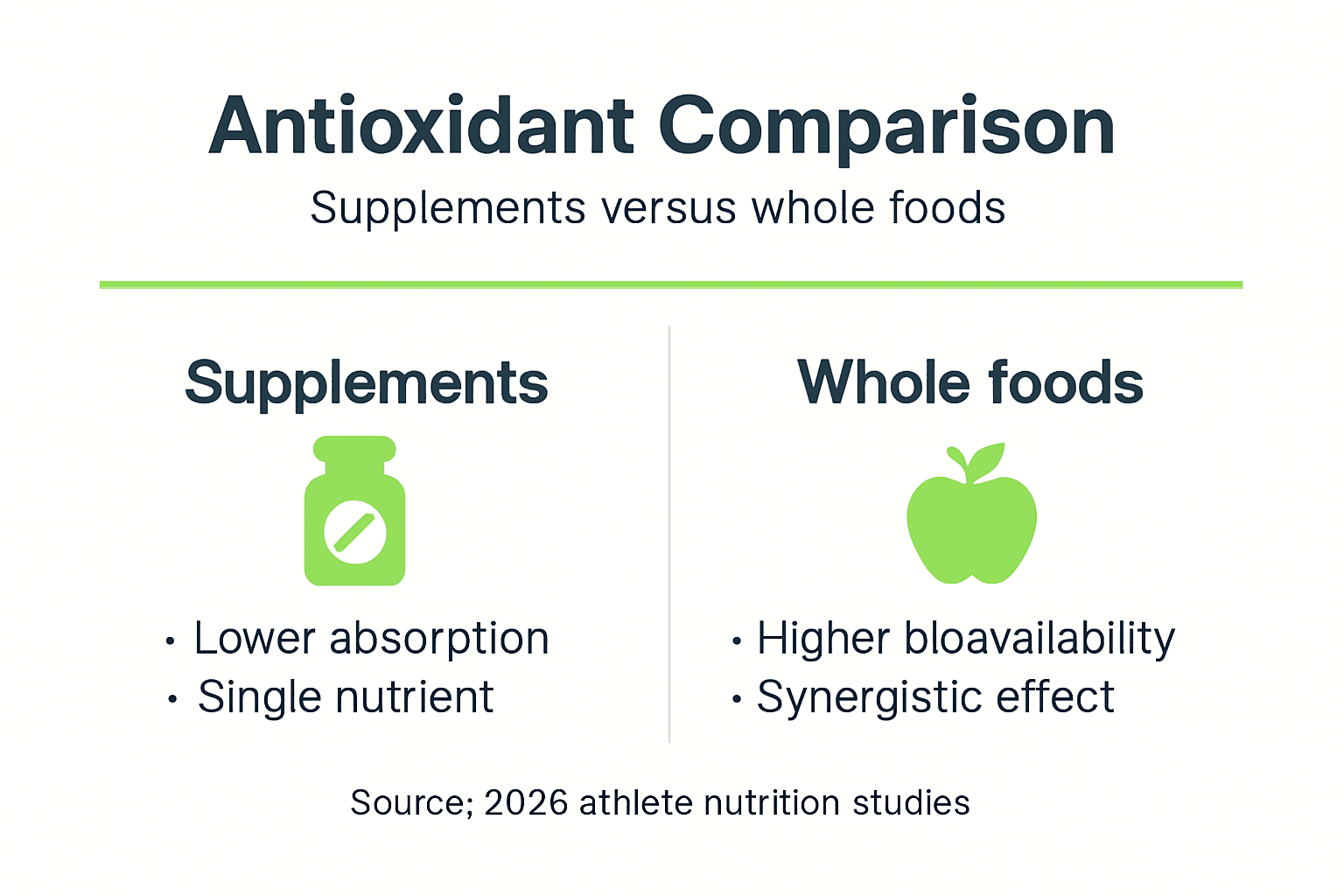
Natural antioxidant sources have up to 50% higher bioavailability and synergistic benefits compared to isolated supplements. Whole foods contain cofactors and supporting nutrients that enhance absorption and utilization in ways isolated supplements cannot replicate.
| Antioxidant Type | Primary Action | Best Sources | Absorption Rate |
|---|---|---|---|
| Vitamin C | Cytosol protection, collagen synthesis | Citrus, berries, peppers | Fast, 2 to 3 hour peak |
| Vitamin E | Membrane protection, lipid stabilization | Nuts, seeds, oils | Slow, 6 to 8 hour peak |
| Polyphenols | Anti-inflammatory signaling | Cherries, berries, tea | Moderate, 4 to 6 hours |
| Carotenoids | Cellular defense, immune support | Carrots, tomatoes, leafy greens | Variable, fat-dependent |
Supplementation strategies:
- Prioritize whole food sources for baseline antioxidant intake
- Use targeted supplements around high-stress training periods
- Combine multiple antioxidant types for comprehensive coverage
- Monitor individual response and adjust based on recovery metrics
Pro Tip: Consume fat alongside fat-soluble antioxidants like vitamin E and carotenoids to maximize absorption, such as adding nuts to your post-workout smoothie.
Find quality options through our top antioxidant supplements guide and learn selecting vitamins for athletes. Also explore best supplements for endurance athletes for specialized recommendations.
Common Misconceptions and Risks of Antioxidant Supplementation
The biggest myth surrounding antioxidants claims more always equals better results. This oversimplification ignores how excessive supplementation can actually impair training adaptations. Muscle growth and strength gains require controlled oxidative stress signals that trigger adaptive responses.
High-dose antioxidant supplementation can impair immune function and increase infection risk by about 15% in athletes, while also blunting beneficial training adaptations if not used cautiously. Chronic high doses suppress the cellular stress signals needed for mitochondrial biogenesis and muscle protein synthesis upregulation.
Debunked misconceptions:
- Antioxidants significantly boost strength or endurance performance (false, effects under 5%)
- Higher doses provide proportionally greater recovery benefits (false, moderate doses optimal)
- All antioxidant supplements work equally well (false, bioavailability varies dramatically)
- Timing doesn’t matter for antioxidant effectiveness (false, peri-workout timing crucial)
Excessive supplementation risks extend beyond blunted adaptations. Megadoses can cause gastrointestinal distress, interfere with iron absorption, and create nutrient imbalances. Some athletes experience paradoxical increases in oxidative stress markers when taking very high antioxidant doses.
Balanced, moderate dosing aligned with training demands provides optimal results. Respect recommended daily intakes rather than chasing supraphysiological doses. Your body’s natural antioxidant systems work best when supported, not overwhelmed.
Build smarter supplementation practices using our workout supplement routine framework.
Practical Guidelines for Antioxidant Supplementation
Strategic antioxidant use starts with honest assessment of your training intensity and recovery capacity. Athletes training twice daily or doing high-volume periodization phases need more antioxidant support than recreational exercisers doing moderate workouts three times weekly.
Optimal antioxidant supplementation occurs within 1 hour before or after exercise; moderate doses aligned with daily recommended intake support recovery without impairing adaptation. This narrow window maximizes protective effects when oxidative stress peaks.
Implementation steps:
- Calculate your weekly training volume and intensity to gauge antioxidant needs
- Choose supplements with documented bioavailability or emphasize whole food sources
- Time intake 30 to 60 minutes pre-workout or immediately post-session
- Use moderate doses respecting established daily values (vitamin C: 500 to 1000mg, vitamin E: 15 to 30mg)
- Cycle supplementation intensity with training periodization phases
- Monitor recovery metrics like soreness duration and force production restoration
Pro Tip: Keep a recovery log tracking soreness levels, sleep quality, and next-day performance to identify your optimal antioxidant dosing sweet spot.
Dosing guidelines by training intensity:
- Light training (3 to 4 sessions weekly): Whole food sources sufficient
- Moderate training (5 to 6 sessions weekly): Baseline supplementation plus food
- Heavy training (7+ sessions or twice daily): Targeted peri-workout supplementation
- Competition periods: Strategic loading 3 to 5 days before events
Balanced intake preserves the cellular stress signals necessary for adaptation while reducing excessive damage. This middle path optimizes both immediate recovery and long-term performance development.
Refine your approach with fitness supplement timing strategies and explore quality top antioxidant supplements for implementation.
Summary: Integrating Antioxidants into Your Fitness Regimen
Antioxidants serve primarily as recovery accelerators, reducing muscle damage and inflammation rather than directly boosting strength or endurance. Evidence shows 20% faster recovery with strategic supplementation but under 5% direct performance improvement. This distinction guides realistic expectations and proper implementation.
Balanced timing and moderate dosing prevent the dual risks of blunted training adaptations and compromised immune function. Taking antioxidants within one hour of exercise maximizes benefits while respecting your body’s need for controlled oxidative stress signals that drive adaptation.
Prioritize natural antioxidant-rich foods as your foundation, using targeted supplements during high-stress training blocks. This approach provides synergistic whole food benefits with strategic supplementation when demands exceed dietary intake. Informed choices optimize recovery speed while preserving the cellular signals necessary for continued performance gains.
Learn comprehensive approaches in our guide to building a workout supplement routine for integrated recovery strategies.
Enhance Your Recovery with Expert-Recommended Supplements
Ready to apply these evidence-based antioxidant strategies to your training? MyGymSupplements offers carefully selected recovery supplements designed for serious athletes. Our workout supplement routine guide walks you through building an effective supplementation plan tailored to your training demands.
Optimize timing and dosing with our detailed fitness supplement timing workflow to maximize recovery benefits. Browse quality products trusted by competitive athletes at MyGymSupplements to support faster bounce-back between training sessions.
Frequently Asked Questions
How do antioxidants improve athletic recovery?
Antioxidants neutralize free radicals produced during exercise, reducing oxidative damage to muscle cells by 30 to 40%. This lowers inflammation markers and accelerates strength restoration by up to 20%, enabling faster return to training readiness. The primary benefit centers on recovery speed rather than direct performance enhancement.
What is the optimal antioxidant dosing for athletes?
Moderate doses aligned with daily recommended intakes work best: 500 to 1000mg vitamin C and 15 to 30mg vitamin E taken within one hour before or after workouts. Excessive doses risk blunting training adaptations and increasing infection susceptibility by 15%. Adjust supplementation intensity based on training volume and periodization phase.
Can too many antioxidants harm training progress?
Yes, chronic high-dose supplementation suppresses the oxidative stress signals needed for muscle adaptation and mitochondrial biogenesis. This interference can blunt strength gains and endurance improvements from training. Balanced, moderate intake supports recovery while preserving beneficial cellular stress responses that drive performance gains.
Do antioxidants significantly boost strength or endurance?
No, research shows direct performance improvements remain below 5% for both strength and endurance metrics. Antioxidants primarily function as recovery accelerators, reducing muscle damage and inflammation rather than enhancing force production or aerobic capacity. Expect faster bounce-back between sessions, not immediate performance jumps.
Should I get antioxidants from food or supplements?
Prioritize whole food sources as your foundation since natural antioxidants show 50% better bioavailability than isolated supplements due to synergistic compounds. Use targeted supplementation during high-intensity training blocks or competition periods when demands exceed dietary intake. Combining both approaches provides optimal coverage and absorption.
When should I take antioxidant supplements for best results?
Consume antioxidants 30 to 60 minutes before high-intensity sessions for preventive protection or immediately post-workout when oxidative stress peaks. This peri-exercise window maximizes damage reduction and recovery acceleration. Maintain consistent baseline intake through antioxidant-rich foods between training sessions. Explore quality options at our top antioxidant supplements guide.

0 comments