

Pushing through tough workouts can leave even the most dedicated British athletes searching for better ways to recover and protect their bodies. With intense training comes increased oxidative stress, making antioxidant support more crucial than ever. Glutathione stands out as the body’s primary antioxidant, directly defending cells against damage and supporting immune response, according to the latest research from UK sources. This guide demystifies how glutathione works, its supplement forms, and practical recovery benefits for fitness enthusiasts aiming to perform at their best.
Table of Contents
- What Is Glutathione And How It Works
- Types Of Glutathione Supplements Explained
- Glutathione’s Role In Recovery And Immunity
- Potential Risks And Side Effects To Know
- Boosting Glutathione Naturally Versus Supplementing
Key Takeaways
| Point | Details |
|---|---|
| Glutathione’s Role | Glutathione is a vital antioxidant that protects cells from oxidative damage and supports recovery in athletes. |
| Supplement Types | Different forms of glutathione supplements offer varied absorption rates and benefits tailored for specific health and fitness goals. |
| Natural Enhancement | Dietary strategies such as consuming selenium-rich foods and managing stress are effective for boosting glutathione levels naturally. |
| Caution with Supplementation | Athletes should consult healthcare professionals when considering glutathione supplements to avoid potential side effects and interactions. |
What Is Glutathione and How It Works
Glutathione is a powerful antioxidant molecule naturally produced within human cells, serving as a critical defender against cellular damage and stress. Unlike typical supplements, this tripeptide plays a fundamental role in maintaining overall physiological health, particularly for athletes and fitness enthusiasts seeking optimal recovery and performance.
At its core, glutathione functions as the body’s primary antioxidant, protecting cells from oxidative damage. Its unique molecular structure allows it to neutralise harmful free radicals and support critical cellular processes. Key characteristics of glutathione include:
- Composed of three amino acids: glutamine, cysteine, and glycine
- Produced naturally in the liver
- Functions as a master antioxidant in human metabolism
- Supports immune system functionality
- Helps detoxify potentially harmful compounds
The mechanism of glutathione involves direct interaction with reactive oxygen species, effectively rendering them harmless and preventing potential cellular damage. This process is particularly crucial for individuals engaged in intense physical training, where oxidative stress can significantly impact muscle recovery and overall performance.
Scientific research suggests glutathione plays a multifaceted role beyond simple antioxidant protection. Immune response support represents another critical function, helping the body maintain robust defensive capabilities against potential infections and inflammatory responses.
Pro tip: Consider consulting a healthcare professional about potential glutathione supplementation to optimise your body’s natural antioxidant defenses and support intense training regimens.
Types of Glutathione Supplements Explained
Glutathione supplements come in various forms designed to support different health and fitness objectives, each with unique absorption characteristics and potential benefits. Understanding these supplement variations can help athletes and fitness enthusiasts make informed choices about their antioxidant support strategy.
The primary types of glutathione supplements include:
- Reduced Glutathione (GSH): The most bioavailable form, directly usable by the body
- Liposomal Glutathione: Enhanced absorption through lipid encapsulation
- Acetylated Glutathione: Modified to improve cellular penetration
- Glutathione Precursor Supplements: Contains amino acids that support natural glutathione production
- S-Acetyl Glutathione: Designed for improved oral bioavailability
Each supplement type offers distinct advantages for athletes. Reduced glutathione provides immediate antioxidant support, while liposomal forms enhance cellular absorption. Precursor supplements work by supporting the body’s natural glutathione synthesis, potentially offering a more sustainable approach to maintaining antioxidant levels.
Critically, the UK regulatory framework emphasises that glutathione supplements must be used responsibly and preferably under professional medical guidance.
Additionally, athletes should be aware that absorption and effectiveness can vary significantly between different glutathione supplement formulations. Factors such as molecular structure, delivery mechanism, and individual metabolic differences play crucial roles in determining the supplement’s ultimate efficacy.
Here’s how the main glutathione supplement types compare for athletes:
| Supplement Type | Absorption Profile | Typical Benefits | Best Suited For |
|---|---|---|---|
| Reduced Glutathione | Good, direct absorption | Quick antioxidant support | Short-term recovery boost |
| Liposomal Glutathione | Highest oral absorption | Enhanced cellular uptake | Those with poor gut absorption |
| Acetylated Glutathione | Improved tissue entry | Supports sustained delivery | Long-term protective strategies |
| Precursor Supplements | Indirect, body reliant | Natural production support | Preventative or daily strategies |
| S-Acetyl Glutathione | Increased oral stability | Gradual antioxidant effect | Individuals with sensitive guts |
Pro tip: Consult with a sports nutritionist or healthcare professional to determine the most suitable glutathione supplement type for your specific training and recovery needs.
Glutathione’s Role in Recovery and Immunity
Glutathione plays a critical role in supporting athletic recovery and immune system functionality, acting as a powerful defender against cellular stress and oxidative damage. Immune system protection represents one of its most significant contributions to overall athletic performance and wellbeing.
Key aspects of glutathione’s impact on recovery and immunity include:
- Neutralising harmful free radicals in muscle tissue
- Supporting cellular repair mechanisms
- Reducing inflammation post-exercise
- Enhancing white blood cell function
- Protecting immune cells from oxidative stress
- Supporting metabolic efficiency during intense training
Athletes experience significant physiological stress during high-intensity training, which can compromise immune function. Glutathione helps mitigate these challenges by providing robust cellular protection and supporting the body’s natural recovery mechanisms. The antioxidant works at a fundamental level, defending against molecular damage and supporting metabolic resilience.
Glutathione’s role extends beyond simple antioxidant protection, functioning as a critical component in maintaining overall physiological balance during intense physical training.
Research indicates that consistent glutathione supplementation may help athletes recover more effectively, reducing potential downtime caused by immune system compromise. Therapeutic immune support remains an emerging area of investigation, with promising early indications of its potential benefits for high-performance individuals.

Pro tip: Consider incorporating glutathione-supporting nutrients like selenium, vitamin C, and N-acetylcysteine into your nutrition strategy to enhance natural glutathione production.
Potential Risks and Side Effects to Know
While glutathione is generally considered safe, athletes and fitness enthusiasts should be aware of potential risks and side effects associated with supplementation. Safety concerns remain paramount when considering any new dietary supplement for performance enhancement.
Potential side effects and risks of glutathione supplementation include:
- Mild gastrointestinal discomfort
- Allergic reactions in sensitive individuals
- Potential interactions with other medications
- Temporary skin rashes or irritations
- Rare instances of kidney or thyroid function disruption
- Potential oxidative stress if over-supplemented
Clinical research suggests that while glutathione is generally well-tolerated, individual responses can vary significantly. Athletes with pre-existing medical conditions or those taking prescription medications should exercise additional caution and seek professional medical advice before beginning supplementation.
Responsible supplementation requires careful consideration of individual health status and potential interactions with existing medical treatments.
Additionally, the UK regulatory framework emphasises cautious supplement use, highlighting the importance of consulting healthcare professionals before introducing any new supplement into your fitness regimen. Not all glutathione supplements are created equal, and quality can significantly impact potential side effects and overall effectiveness.
Pro tip: Start with a lower dosage of glutathione and monitor your body’s response, gradually increasing intake while watching for any adverse reactions.
Boosting Glutathione Naturally Versus Supplementing
Navigating the landscape of glutathione enhancement requires a nuanced understanding of both natural strategies and supplementation approaches. Maintaining immune health involves a comprehensive strategy that goes beyond simple pill consumption.
Natural strategies for boosting glutathione levels include:
- Consuming selenium-rich foods like Brazil nuts
- Incorporating sulphur-containing vegetables (broccoli, cauliflower)
- Eating high-protein foods with cysteine
- Regular moderate exercise
- Managing stress levels
- Ensuring adequate sleep
- Reducing alcohol consumption
- Maintaining optimal vitamin C and E intake
While natural methods provide sustainable glutathione support, supplementation offers a more direct approach. However, clinical evidence remains limited regarding the comprehensive efficacy of glutathione supplements for general wellbeing.
Natural glutathione enhancement through diet and lifestyle remains the most scientifically supported approach for long-term health optimisation.
Athletes and fitness enthusiasts should prioritise holistic strategies, understanding that supplement absorption and effectiveness can vary significantly between individuals. The body’s natural glutathione production mechanisms are complex and influenced by multiple nutritional and lifestyle factors.
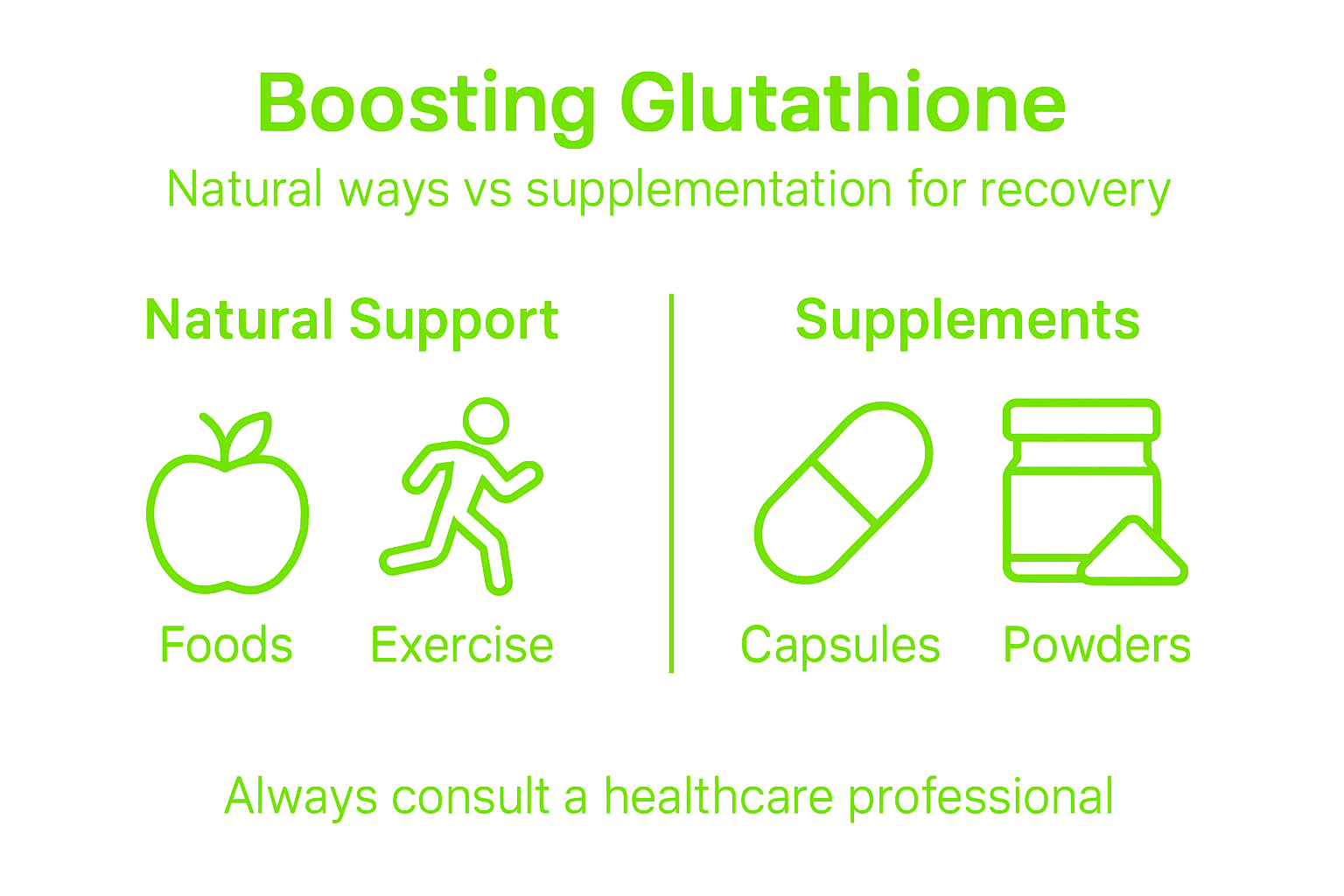
Below is a summary comparing natural glutathione boosting versus supplementation:
| Strategy | Approach | Long-term Effectiveness | Primary Consideration |
|---|---|---|---|
| Natural Boosting | Diet & lifestyle | High, gradual impact | Requires consistency |
| Supplementation | Direct intake | Variable, faster results | Potential side effects, higher cost |
| Combined Approach | Integrated method | Optimal when tailored | Benefit maximised with supervision |
Pro tip: Combine natural dietary strategies with targeted supplementation, and always consult a healthcare professional to develop a personalised glutathione enhancement plan.
Unlock Your Body’s Full Recovery Potential with Glutathione Support
Athletes and fitness enthusiasts know that intense training brings oxidative stress that can slow recovery and weaken immunity. This article highlights glutathione as a master antioxidant vital for neutralising free radicals, reducing inflammation, and boosting immune function. If you are seeking faster muscle repair and a stronger defence against training-induced cellular damage, harnessing the right glutathione support is essential. Key challenges include choosing the best supplement form and ensuring effective antioxidant uptake to maximise recovery benefits.
Explore our curated range of performance recovery aids designed to complement your glutathione pathways and replenish antioxidant levels efficiently. Whether you want rapid post-workout support or sustained immune protection, our selection includes premium products tailored for every fitness goal. Don’t let oxidative stress hold back your progress – visit MyGymSupplements.shop now and take control of your recovery with expert-chosen supplements that power your antioxidant defence and elevate your performance to new heights.
Frequently Asked Questions
What is glutathione and why is it important for gym recovery?
Glutathione is a powerful antioxidant produced in the body that helps protect cells from oxidative damage, supports immune function, and plays a critical role in recovery after intense physical training.
What types of glutathione supplements are available and which is best for athletes?
The main types of glutathione supplements include reduced glutathione, liposomal glutathione, acetylated glutathione, glutathione precursor supplements, and S-acetyl glutathione. Reduced glutathione is the most bioavailable, while liposomal forms offer enhanced absorption. The best option depends on individual needs and absorption capabilities.
How does glutathione support immune health during training?
Glutathione enhances immune function by neutralising free radicals, supporting white blood cell activity, and reducing oxidative stress, which is essential for maintaining health during periods of intense training.
Are there any risks or side effects associated with glutathione supplementation?
While generally considered safe, potential side effects can include gastrointestinal discomfort, allergic reactions, or interactions with medications. It’s important to consult a healthcare professional before starting any supplement regimen.

0 comments