

Rushing between meetings or workouts leaves little time for planning complicated meals. That is why intermittent fasting appeals to many British professionals who want effective, low-effort weight management. This method focuses on when you eat rather than what you eat, offering structured eating windows that fit busy schedules. You will discover how intermittent fasting works, common myths, and crucial safety tips to help you make smart nutrition choices for sustained health and energy.
Table of Contents
- Defining Intermittent Fasting And Key Myths
- Popular Intermittent Fasting Methods Explained
- How Fasting Affects Fat Burning And Metabolism
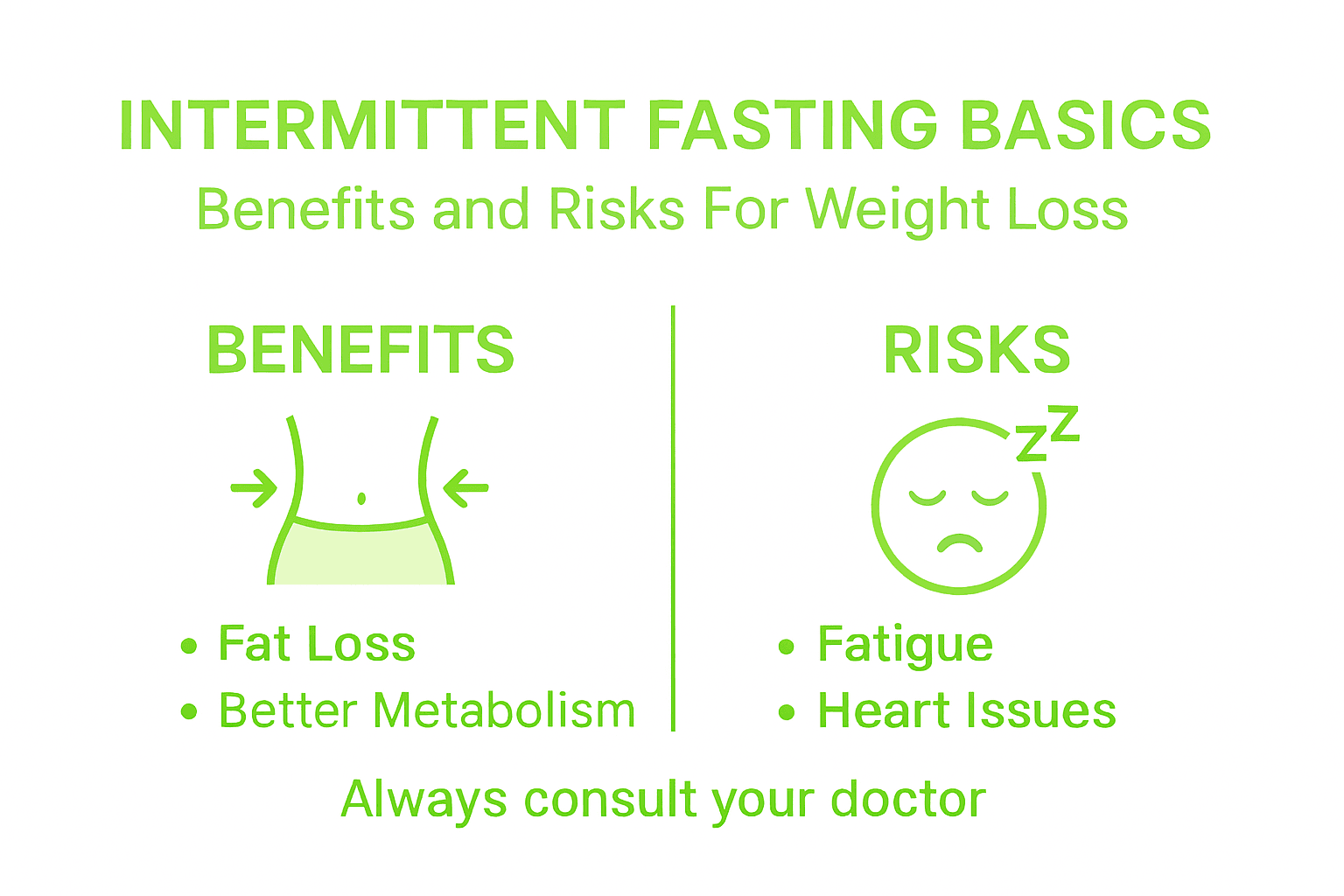
- Benefits And Risks For Weight Loss Seekers
- Tips For Safe And Successful Intermittent Fasting
Key Takeaways
| Point | Details |
|---|---|
| Intermittent Fasting Overview | This dietary approach focuses on the timing of food intake rather than specific food restrictions, featuring methods like 16:8 and 5:2. |
| Myths and Misconceptions | Common myths include the idea that intermittent fasting is suitable for everyone and guarantees quick weight loss, highlighting the need for personalised approaches. |
| Health Considerations | Individuals with existing health conditions should seek medical advice before starting intermittent fasting due to potential risks. |
| Successful Implementation | It is advisable to start with less restrictive methods and monitor one’s body response to ensure a safe and effective fasting experience. |
Defining Intermittent Fasting And Key Myths
Intermittent fasting is a dietary approach that alternates between planned periods of eating and fasting, focusing on when you eat rather than what you consume. Unlike traditional diets that restrict food types, this method concentrates on specific time windows for nutritional intake.
The most common approaches include:
- 16:8 Method: Time-restricted eating where individuals consume meals within an 8-hour window and fast for 16 hours
- 5:2 Diet: Reducing calorie intake dramatically on two non-consecutive days per week
- Eat-Stop-Eat: Complete 24-hour fasts once or twice weekly
Many misconceptions surround intermittent fasting. Some people believe it’s a magical weight loss solution, but the reality is far more nuanced. Research suggests that it’s not universally suitable and requires careful medical consideration, particularly for individuals with existing health conditions.
Key myths about intermittent fasting include:
- It works identically for everyone
- You can eat anything during eating windows
- It guarantees rapid weight loss
- It’s safe for all population groups
Remarkably, recent studies indicate potential cardiovascular risks with extremely restricted eating windows, especially for people with pre-existing heart conditions. Medical supervision is crucial when implementing any significant dietary changes.
Pro tip: Always consult a healthcare professional before starting any intermittent fasting regimen, particularly if you have underlying health conditions or are managing chronic diseases.
Popular Intermittent Fasting Methods Explained
Intermittent fasting encompasses several distinct dietary approaches, each offering unique strategies for managing nutritional intake and metabolic health. Different fasting methods provide flexible options for individuals seeking weight management and improved metabolic markers.
Popular intermittent fasting methods include:
- 16:8 Method: Eating within an 8-hour window, fasting for 16 hours daily
- 5:2 Diet: Normal eating for 5 days, dramatically reducing calories to approximately 600 kcal on 2 non-consecutive days
- Eat-Stop-Eat: Complete 24-hour fasts performed once or twice weekly
- Early Time-Restricted Feeding: Consuming meals only during early daytime hours (e.g., 7am to 3pm)
Alternate Day Fasting represents another approach where individuals alternate between normal eating days and significant calorie restriction. Diabetes research suggests these methods can potentially improve metabolic health, though individual responses vary considerably.
Medical professionals emphasise that no single method suits everyone. Factors like age, existing health conditions, metabolic rate, and personal lifestyle significantly influence the effectiveness of intermittent fasting strategies. Some individuals might find the 16:8 method more sustainable, while others might prefer the 5:2 approach.
For a clearer understanding, here’s a comparison of popular intermittent fasting methods and their suitability for different lifestyles:
| Fasting Method | Typical Schedule | Best Suited For | Key Consideration |
|---|---|---|---|
| 16:8 Method | 8-hour eating, 16-hour fast | Working adults | Easy social integration |
| 5:2 Diet | 2 low-calorie, 5 normal days | Flexible planners | May disrupt energy on fast days |
| Eat-Stop-Eat | 24-hour fast (1-2 times/wk) | Experienced fasters | Requires monitoring for fatigue |
| Early Time-Restricted | All meals before mid-afternoon | Early risers | Challenging for evening activities |
| Alternate Day Fasting | Alternates fasting and eating days | Those seeking rapid change | Intense, may impact mood and energy |
Pro tip: Start with the least restrictive intermittent fasting method and gradually adjust based on your body’s response and energy levels.
How Fasting Affects Fat Burning And Metabolism
Metabolic switching is the key mechanism behind intermittent fasting’s remarkable impact on body composition and energy utilisation. Insulin levels drop during extended fasting periods, triggering a profound metabolic transformation where the body transitions from glucose to fat as its primary energy source.
The fat-burning process occurs through several critical metabolic changes:
- Insulin Sensitivity: Reduced insulin levels improve the body’s ability to access stored fat
- Fat Oxidation: Enhanced metabolic efficiency enables more effective fat breakdown
- Hormonal Regulation: Fasting triggers production of fat-burning hormones like human growth hormone
- Metabolic Flexibility: The body becomes more adaptable in switching between energy sources
Metabolic health research suggests that consistent intermittent fasting can produce significant improvements beyond weight loss. These benefits include reduced inflammation, improved cardiovascular markers, and enhanced insulin sensitivity.

The duration of fasting plays a crucial role in metabolic adaptation. Most individuals require approximately 12-16 hours of fasting to enter a true metabolic fat-burning state, which explains why methods like 16:8 intermittent fasting can be particularly effective for weight management and metabolic health.
Pro tip: Stay hydrated during fasting periods and consume electrolytes to support metabolic processes and maintain energy levels.
Benefits And Risks For Weight Loss Seekers
Intermittent fasting offers a nuanced approach to weight management, with both promising advantages and potential drawbacks. Short-term weight loss strategies demonstrate that creating a calorie deficit can be effective, though individual results may vary significantly.
Potential benefits of intermittent fasting include:
- Flexible Eating Patterns: No strict food restrictions
- Metabolic Health Improvement: Enhanced insulin sensitivity
- Potential Fat Loss: Reduced overall calorie intake
- Simplified Meal Planning: Fewer meals to prepare and track
Potential Risks require careful consideration. Diabetes research highlights critical safety concerns for specific population groups. Individuals at higher risk include:
- People with existing eating disorders
- Those on insulin or diabetes medications
- Pregnant or breastfeeding women
- Individuals with complex metabolic conditions
The effectiveness of intermittent fasting depends on individual metabolic responses, overall health, and personal lifestyle. What works remarkably well for one person might not produce identical results for another. Professional medical guidance is crucial before embarking on any significant dietary transformation.
Here’s an overview of critical safety groups to consider before starting intermittent fasting:
| Population Group | Possible Risks | Precaution Needed |
|---|---|---|
| Pregnant Women | Nutritional deficiency risk | Seek specialised advice |
| Individuals with Diabetes | Low blood sugar complications | Medication adjustment required |
| Eating Disorder History | Increased disorder risk | Avoid unsupervised fasting |
| Older Adults | Dehydration and energy loss | Monitor hydration and nutrient intake |
Pro tip: Consult a healthcare professional and gradually introduce intermittent fasting, monitoring your body’s response and adjusting accordingly.
Tips For Safe And Successful Intermittent Fasting
Intermittent fasting requires careful planning and a strategic approach to ensure both safety and effectiveness. Safe implementation strategies emphasise the importance of personalised medical guidance and gradual adaptation.
Key preparation steps for successful intermittent fasting include:
- Consult with healthcare professionals before starting
- Inform your medical team about existing health conditions
- Adjust medication schedules if necessary
- Start with less restrictive fasting windows
- Monitor your body’s response closely
Nutrition experts recommend several critical practices during intermittent fasting:
- Avoid snacking during fasting periods
- Choose nutrient-dense foods during eating windows
- Maintain consistent hydration
- Select balanced, whole food nutrition
- Listen to your body’s signals and energy levels
Certain groups should approach or avoid intermittent fasting with extra caution. Individuals who should be particularly careful include pregnant women, breastfeeding mothers, people with eating disorders, those on specific medication regimens, and individuals with complex metabolic conditions.
Pro tip: Begin with a 12-hour fasting window and gradually extend duration, always prioritising your overall health and well-being.
Enhance Your Intermittent Fasting Journey with Targeted Nutrition
Intermittent fasting can be a powerful way to improve metabolic health and support fat burning, yet it comes with challenges such as maintaining energy, ensuring nutrient intake, and managing recovery. This article highlights key concepts like metabolic switching and the importance of hydration and nutrient-dense meals during eating windows. If you want to optimise your results safely and effectively, complementing fasting with the right supplements can make a significant difference.
Explore carefully selected weight management solutions designed to support fat loss and energy balance while you fast. Boost your performance and recovery with premium amino acids and proteins that help preserve muscle mass during fasting periods. By choosing the right nutritional support, you can avoid common pitfalls and make your intermittent fasting experience more sustainable.
Take control of your health and see greater progress by visiting MyGymSupplements.shop today. Start with supplements tailored to your goals and elevate your intermittent fasting journey with confidence.
Frequently Asked Questions
What is intermittent fasting?
Intermittent fasting is a dietary approach that alternates between planned periods of eating and fasting, focusing on when you eat rather than what you consume.
How does intermittent fasting affect metabolism?
Intermittent fasting triggers metabolic switching, where insulin levels drop, and the body shifts from using glucose to fat as its primary energy source, enhancing fat burning and improving metabolic health.
What are the popular methods of intermittent fasting?
Common methods include the 16:8 method (eating within an 8-hour window), the 5:2 diet (reducing calorie intake on two non-consecutive days), and alternate day fasting (alternating between fasting and eating days).
Are there any risks associated with intermittent fasting?
Yes, potential risks include complications for individuals with existing health conditions such as diabetes, pregnant or breastfeeding women, and those with a history of eating disorders. Medical supervision is recommended before starting any intermittent fasting regimen.
Recommended
- Fasted Cardio: Impact on Fat Loss for UK Athletes – MyGymSupplements
- Fasted Cardio: Impact on Fat Loss for UK Athletes
- Fat Burning Explained: Science, Supplements, and Results
- 7 Safest Weight Loss Supplements for Fitness Success – MyGymSupplements
- Healthy Fats: Why They Matter for Modern Wellness – naturessoulshop

0 comments