

Most British athletes aiming for leaner physiques turn to fasted cardio for a strategic fat loss advantage. Research reveals that more than 60 percent of fitness enthusiasts believe morning workouts in a fasted state accelerate results. Understanding how hormonal shifts and targeted supplements shape your metabolism is vital if you want real progress. This guide uncovers practical fasted cardio methods and evidence-backed supplement strategies designed for British bodybuilders who want intelligent, sustainable fat loss.
Table of Contents
- Fasted Cardio Defined And Key Principles
- Types Of Fasted Cardio Workouts
- How Fasted Cardio Affects Fat Metabolism
- Role Of Supplements In Fasted Cardio
- Risks And Common Mistakes To Avoid
Key Takeaways
| Point | Details |
|---|---|
| Fasted Cardio Enhances Fat Oxidation | Exercising in a low insulin environment promotes fat utilisation, particularly in the morning when glycogen stores are depleted. |
| Moderate Intensity is Key | Athletes should maintain moderate intensity during fasted cardio to optimise fat oxidation and prevent adverse reactions. |
| Personalised Nutrition and Supplementation | Incorporating BCAAs and electrolytes can support performance; however, a tailored approach is essential as individual responses vary. |
| Avoid Common Mistakes | Athletes must pay attention to hydration, recovery nutrition, and avoid excessive intensity to minimise the risk of performance impairments. |
Fasted cardio defined and key principles
Fasted cardio is a targeted fitness approach involving morning exercise performed before consuming any food, typically in a metabolic state where glycogen stores are depleted. The core principle revolves around exercising in a low insulin environment, which can potentially enhance fat oxidation and metabolic efficiency. Evidence-based research from independent sources suggests this strategy might influence how the body processes energy during early morning workouts.
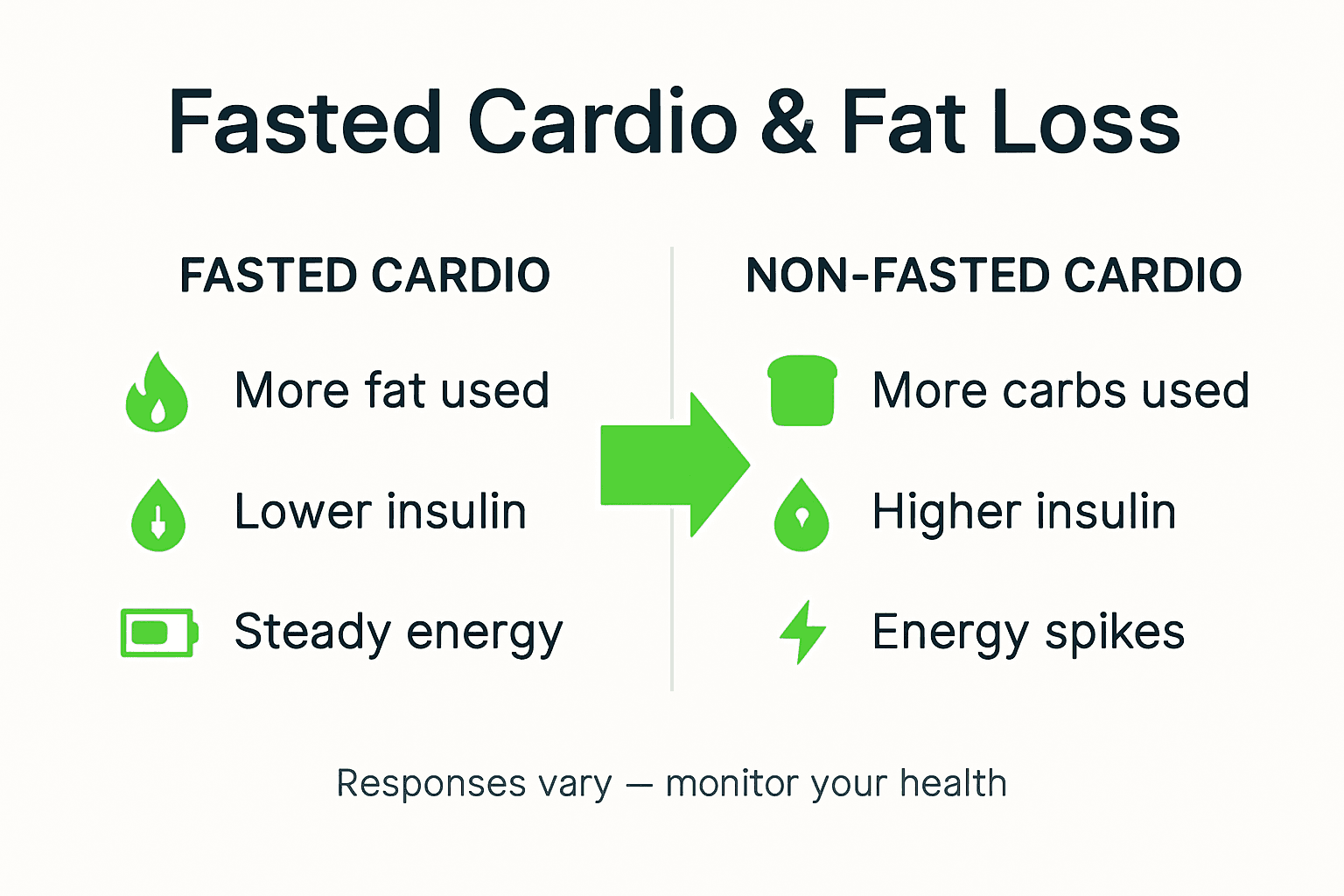
The primary mechanism behind fasted cardio involves hormonal and metabolic shifts. When an athlete exercises without prior food intake, the body shifts towards utilising stored fat as its primary energy source. This occurs because insulin levels are low, and glycogen reserves are minimally available. However, athletes must understand that while immediate fat oxidation might increase during the workout, long-term fat loss remains contingent on overall caloric balance and comprehensive training strategies.
Key principles of implementing fasted cardio for UK athletes include:
- Maintaining moderate intensity during workouts
- Staying hydrated before and during exercise
- Monitoring energy levels and performance quality
- Considering individual metabolic responses
- Balancing fasted sessions with proper nutrition strategies
Expert Tip: Start with shorter, low-intensity fasted cardio sessions and gradually increase duration and intensity to help your body adapt to this metabolic approach.
Types of fasted cardio workouts
Fasted cardio encompasses several distinct workout approaches designed to maximise metabolic efficiency and fat utilisation. Comprehensive sports science research highlights three primary categories of fasted cardio: steady-state endurance, interval training, and high-intensity aerobic activities, each offering unique metabolic benefits for athletes and fitness enthusiasts.
Steady-state endurance represents the most traditional fasted cardio method, involving continuous moderate-intensity exercise like jogging, cycling, or swimming. These workouts typically maintain a consistent heart rate between 60-70% of maximum capacity, encouraging sustained fat oxidation. Interval training, by contrast, introduces strategic intensity variations through alternating high and low-energy segments, which can potentially enhance metabolic adaptations and improve overall cardiovascular performance.
High-intensity fasted cardio workouts represent the most advanced approach, incorporating explosive movements and rapid energy system transitions. These sessions might include:
- Sprint intervals
- Plyometric circuits
- Bodyweight resistance training
- High-intensity functional movements
Each workout type demands careful physiological consideration, requiring athletes to monitor energy levels, hydration, and individual metabolic responses.
Pro Tip: Begin with low-intensity steady-state workouts and progressively introduce more complex fasted cardio protocols to minimise potential performance and recovery challenges.
Here’s how the main types of fasted cardio compare:
| Workout Type | Intensity Level | Metabolic Benefit | Typical Duration |
|---|---|---|---|
| Steady-State Endurance | Moderate | Sustained fat usage | 30-60 minutes |
| Interval Training | Alternating high/low | Improved metabolic flexibility | 20-40 minutes |
| High-Intensity Aerobic | High | Rapid energy system engagement | 10-25 minutes |
How fasted cardio affects fat metabolism
Fat metabolism during fasted cardio involves complex physiological processes that alter how the body utilises energy sources. Systematic metabolic research demonstrates that while immediate fat oxidation increases during exercise, long-term body composition changes remain relatively modest. During fasted exercise, the body transitions from glycogen-based energy production to mobilising stored fat reserves, creating a unique metabolic environment.

The primary mechanism driving fat metabolism in fasted states involves hormone-sensitive lipase activation and reduced insulin levels. When glycogen stores are depleted, the body triggers alternative energy pathways, encouraging fat cells to release triglycerides for direct muscular energy production. This metabolic shift means athletes can potentially enhance fat utilisation during early morning workouts, though the total energy expenditure remains critically dependent on overall training intensity and nutritional strategies.
Key metabolic adaptations during fasted cardio include:
- Increased epinephrine and norepinephrine release
- Enhanced mitochondrial fat oxidation
- Improved insulin sensitivity
- Accelerated lipolysis (fat breakdown)
- Reduced glycogen dependency
However, athletes must recognise that individual metabolic responses vary significantly. Factors like fitness level, genetics, and prior nutritional habits dramatically influence how effectively the body processes fat during fasted exercise.
Pro Tip: Monitor your energy levels and performance during fasted sessions, adjusting intensity and duration based on your body’s unique metabolic response.
Role of supplements in fasted cardio
Supplements play a nuanced role in supporting fasted cardio performance and metabolic adaptations for athletes. Nutritional research from fitness experts emphasises that while supplementation cannot replace balanced nutrition, strategic nutrient intake can optimise training outcomes during fasted exercise sessions.
Protein supplementation emerges as particularly critical during fasted cardio strategies. Consuming targeted amino acid compounds can help mitigate potential muscle protein breakdown, ensuring athletes maintain lean muscle mass while pursuing fat loss objectives. Branched-chain amino acids (BCAAs) and essential amino acid blends represent strategic nutritional interventions that support metabolic efficiency without disrupting the fundamental fasted exercise metabolic state.
Key supplements beneficial for fasted cardio include:
- Branched-chain amino acids (BCAAs)
- Essential amino acid complexes
- Electrolyte formulations
- Low-calorie thermogenic compounds
- Caffeine-based metabolic enhancers
However, athletes must approach supplementation with scientific precision. Individual metabolic responses vary, and what works effectively for one athlete might produce minimal results for another. Personalised experimentation and careful monitoring remain crucial in developing an optimal supplementation strategy.
Pro Tip: Consult a sports nutritionist to develop a personalised supplement protocol tailored specifically to your fasted cardio metabolic requirements and fitness goals.
Below is a summary of key supplement considerations for athletes practising fasted cardio:
| Supplement Type | Main Purpose | Potential Drawback | Recommended Use |
|---|---|---|---|
| BCAAs | Preserve muscle mass | May not suit all athletes | During fasted sessions |
| Electrolytes | Maintain fluid balance | Overuse can upset mineral levels | For longer workouts |
| Caffeine Compounds | Boost alertness and metabolism | Can increase dehydration risk | Limit to morning use |
Risks and common mistakes to avoid
Fasted cardio demands careful implementation to prevent potential physiological complications. Controlled clinical studies highlight significant risks for athletes who approach this training method without proper understanding, revealing potential adverse reactions ranging from metabolic disruptions to performance impairments.
The most critical risks involve metabolic and performance-related challenges. Athletes commonly experience low blood sugar, reduced endurance capacity, and increased muscle protein breakdown when fasted cardio protocols are executed incorrectly. Overtraining, dehydration, and insufficient nutritional strategies can exponentially increase these risks, potentially compromising both short-term performance and long-term athletic development.
Common mistakes UK athletes must vigilantly avoid include:
- Excessive training intensity during fasted sessions
- Neglecting post-exercise nutritional recovery
- Failing to monitor individual physiological responses
- Ignoring hydration requirements
- Implementing fasted cardio without medical consultation
- Performing high-impact exercises without proper energy reserves
Understanding individual metabolic limitations remains paramount. Not every athlete responds identically to fasted training, making personalised approach and gradual adaptation crucial for safe implementation. Monitoring bodily signals, tracking performance metrics, and maintaining flexible training strategies can mitigate potential negative outcomes.
Pro Tip: Conduct a comprehensive health assessment and gradually introduce fasted cardio, starting with low-intensity sessions and progressively increasing complexity while closely monitoring your physiological responses.
Elevate Your Fasted Cardio Results with Targeted Supplements
If you are exploring fasted cardio to boost fat loss, understanding the delicate balance of metabolism and recovery is crucial. This article highlights how low insulin states during early workouts enhance fat burning but also warns about the risks like muscle breakdown and low energy. To support your goals and minimise common challenges such as muscle loss and dehydration, incorporating the right supplements makes all the difference.

Discover expertly chosen supplements that complement fasted cardio sessions at MyGymSupplements.shop. Whether you need branched-chain amino acids to preserve lean muscle, electrolyte blends to stay hydrated, or low-calorie metabolic enhancers to sustain energy, our selection is designed to help UK athletes stay strong and focused. Begin with our performance recovery aids and explore dedicated Amino Acids products for tailored support. Take control of your fat loss journey today with scientifically backed nutrition made simple. Visit us now to find your fasted cardio essentials and transform your workout outcomes.
Frequently Asked Questions
What is fasted cardio and how does it work?
Fasted cardio is a fitness approach involving exercise in a state where glycogen stores are depleted, typically performed in the morning before eating. By working out in a low insulin environment, the body may enhance fat oxidation and metabolic efficiency.
What are the benefits of doing fasted cardio?
Benefits of fasted cardio include increased fat utilisation during exercise, improved insulin sensitivity, and potential enhancements in overall metabolic efficiency. It may also help with weight loss when combined with proper nutritional strategies.
How can athletes incorporate fasted cardio into their training regime?
Athletes can start by scheduling short, low-intensity fasted cardio sessions and gradually increasing the duration and intensity over time. It’s crucial to monitor energy levels, stay hydrated, and balance fasted workouts with proper nutrition.
Are there risks associated with fasted cardio?
Yes, risks include low blood sugar, decreased endurance, and muscle breakdown if not managed properly. It’s essential to avoid overly intense sessions, stay hydrated, and ensure post-exercise nutritional recovery to mitigate these risks.

0 comments