

Losing stubborn fat can feel like a losing battle, especially when your routine is packed and your goals demand visible muscle definition. For many fitness enthusiasts in the United Kingdom, understanding what fat burning truly means goes far beyond simply eating less or working out more. Scientific research from the University of Oxford and the University of Cambridge reveals that your body’s fat burning process is governed by complex pathways, like the role of thermogenic adipose tissue, which dissipates energy as heat rather than storing it. This introduction sheds light on the real science beneath fat burning, helping busy professionals and health-conscious individuals choose supplements and strategies that actually work with the body’s biology.
Table of Contents
- What Fat Burning Really Means
- How the Body Burns Fat
- Popular Types of Fat Burning Supplements
- Safe Fat Loss Strategies and Common Pitfalls
- Risks, Side Effects, and Legal Considerations
Key Takeaways
| Point | Details |
|---|---|
| Understanding Fat Burning | Fat burning is a complex biological process involving thermogenic mechanisms that require proper stimulation rather than simply eating less. |
| Effective Supplementation | Choose fat burning supplements targeting thermogenesis while maintaining a consistent training and nutrition regimen for best results. |
| Sustainable Strategies | Focus on creating a moderate caloric deficit combined with adequate protein intake and resistance training to preserve muscle mass. |
| Being Mindful of Risks | Be aware of potential side effects from fat burning supplements and consult with a healthcare professional for personalised advice, particularly if you have pre-existing conditions. |
What Fat Burning Really Means
Fat burning sounds straightforward, but the reality is far more complex than simply “burning calories.” When you hear fitness professionals talk about fat burning, they’re not describing a simple furnace where fat goes in and heat comes out. Instead, your body deploys sophisticated biological mechanisms to break down stored fat and convert it into usable energy. The process involves your nervous system, hormones, specific cell types, and thermogenic pathways working in concert. Understanding this distinction matters because it directly influences how you approach supplementation and training for actual results.
At the cellular level, fat burning is primarily driven by thermogenic adipose tissue that dissipates energy as heat rather than storing it as fat. Research from the University of Oxford reveals that sympathetic neurons regulate fat burning through a process involving neuropeptide Y, which supports the proliferation of adipocytes that burn fat instead of storing it. This explains why some people naturally struggle more with fat loss than others. It’s not simply about willpower or calorie counting; your cells are either primed to burn fat or resistant to doing so, based on these underlying physiological mechanisms.
Here’s where it gets interesting for anyone considering fat burning supplements: your body actually works against you during weight loss. Stored fat actively resists burning by producing a protein called sLR11 that suppresses thermogenesis, meaning your fat cells actively inhibit the fat burning process. This biochemical reality explains why overweight individuals often experience a metabolic plateau when dieting. The more fat you carry, the harder your body works to keep it. This is why effective fat loss requires targeting thermogenesis directly, rather than simply eating less. Supplements that support brown adipose tissue activation or enhance thermogenic signalling work with your biology instead of against it. You’re not fighting calories; you’re fighting cellular resistance.
The practical takeaway here is that sustainable fat burning depends on understanding you’re working with multiple biological systems simultaneously. You need to support thermogenesis through proper supplementation (like products available through MyGymSupplements that focus on metabolic enhancement), maintain consistent training stimulus, and manage the hormonal signals that trigger fat cell resistance. One approach alone won’t cut it. The most successful fat loss results come from combining targeted supplementation with resistance training that preserves muscle mass whilst your body burns stored fat for fuel. This prevents the metabolic slowdown that derails most weight loss efforts.
Pro tip: Rather than jumping to multiple fat burning supplements at once, start with one supported ingredient like caffeine or L-carnitine whilst establishing consistent training and nutrition habits; this reveals what actually works for your body and prevents wasting money on unnecessary products.
How the Body Burns Fat
Your body doesn’t burn fat in a single uniform way. Instead, it uses multiple metabolic pathways depending on what you’re doing, your fitness level, and your biological sex. When you exercise, your muscles demand energy, and your body taps into stored fat reserves to fuel that demand. The process starts when your nervous system signals adipose tissue to release fatty acids into the bloodstream. These fatty acids travel to your muscles, where specialised proteins break them down through a process called beta-oxidation, ultimately producing energy in the form of ATP. Understanding this pathway matters because it shows why simply moving more isn’t enough; you need the right conditions and muscular capacity to efficiently mobilise and use stored fat.
One critical factor that determines how well you burn fat is your current fitness level. Research from the University of Bath demonstrates that fitter individuals burn fat more efficiently by metabolising fatty acids through specific muscle and adipose tissue proteins. This means your training history directly impacts your fat burning capability at rest and during exercise. A person who’s been consistently training has higher mitochondrial density in their muscle cells, more oxidative enzymes, and better-developed capillary networks that deliver oxygen to muscle tissue. Biological sex also plays a role; research shows females often burn fat more efficiently than males during moderate-intensity exercise, though individual variation is substantial. This isn’t about who burns “more” total fat, but rather about metabolic efficiency and how effectively your cells can extract and use energy from fat stores.
Brown adipose tissue represents another critical piece of the puzzle. Unlike white fat that stores energy, brown fat actively burns calories through thermogenesis, meaning it generates heat whilst consuming energy. Proteins that regulate brown fat activation control how effectively your body can mobilise this metabolic powerhouse. Cold exposure, certain compounds in supplements, and regular exercise all activate brown fat. This is why some people seem to have naturally faster metabolisms; they possess more active brown adipose tissue or possess genes that make their brown fat more responsive. The good news is that brown fat activation can be improved through consistent training and strategic supplementation that targets thermogenesis.

The practical reality is that fat burning depends on three interconnected systems working together. First, you need adequate mitochondrial function and oxidative capacity in your muscles, which develops through regular training. Second, your brown fat must be responsive and active, which improves with cold exposure and metabolic stress. Third, your nervous system must effectively signal fat cells to release fatty acids when energy demand increases. This is why the most effective fat loss strategies combine resistance training that builds muscle capacity, cardiovascular work that develops aerobic metabolism, and potentially supplementation that supports thermogenic processes. You’re not fighting against your biology; you’re optimising every system that determines how efficiently your body converts stored fat into energy.
Pro tip: Incorporate resistance training 3-4 times weekly to build the muscle tissue and mitochondrial density that determines your fat burning capacity, then add moderate-intensity cardio on separate days to further enhance oxidative metabolism without compromising muscle preservation.
Popular Types of Fat Burning Supplements
Fat burning supplements come in several distinct categories, each working through different mechanisms to support your body’s natural fat loss processes. The most effective ones target thermogenesis, metabolic rate, or appetite regulation, though their real-world impact varies significantly. Understanding what each type actually does helps you choose supplements that align with your goals and lifestyle. The supplement market is crowded with products making bold claims, so knowing the science behind each category separates legitimate options from expensive placebos.
Thermogenic compounds form the foundation of most fat burning supplements. Caffeine increases heat production and calorie burn through a process called thermogenesis, making it the most evidence-based fat burning ingredient available. A typical dose of 200-400mg caffeine can increase metabolic rate by 3-11% and enhance fat oxidation during exercise. Green tea extract works synergistically with caffeine; it contains EGCG (epigallocatechin gallate), a catechin that appears to enhance fat burning modestly when combined with caffeine. The realistic expectation is a 1-3% increase in daily calorie expenditure, which translates to roughly 20-60 additional calories burned daily depending on your body weight. That’s measurable but modest, meaning thermogenics work best alongside training and nutrition rather than as standalone solutions.
Beta-3 adrenergic agonists and brown fat activators represent a more advanced category. These compounds specifically target brown adipose tissue activation, signalling your body to convert stored energy into heat. L-Carnitine supplements support fat mobilisation by transporting fatty acids into mitochondria where they’re burned for energy. This approach works particularly well for individuals with adequate muscle mass and consistent training stimulus. Unlike thermogenics that work universally, L-Carnitine effectiveness depends on baseline carnitine levels and training status. Other popular ingredients include conjugated linoleic acid (CLA) and glucomannan, a soluble fibre that promotes satiety and reduces overall calorie intake by increasing fullness signals to your brain.
Appetite suppressants and satiety agents take a different approach entirely. Rather than increasing calorie burn, they reduce how much you eat. Glucomannan expands in your stomach, creating volume that signals fullness with minimal calories. Caffeine also has appetite-suppressing properties, particularly in fasted states. These work well for people whose weight loss struggles stem from overeating rather than insufficient fat mobilisation. MyGymSupplements stocks tested products across all these categories, allowing you to identify which approach suits your specific metabolic profile and training style. The key is choosing supplements with transparent ingredient lists and dosages backed by research rather than flashy marketing claims.
Here’s a clear overview of how popular fat burning supplement types differ in mechanism and suitability:
| Supplement Type | Main Mechanism | Best For | Example Ingredients |
|---|---|---|---|
| Thermogenic | Boosts heat and energy expenditure | Active individuals needing metabolic lift | Caffeine, green tea extract |
| Brown Fat Activator | Stimulates brown adipose thermogenesis | Those with higher muscle mass, consistent training | L-Carnitine, beta-3 agonists |
| Appetite Suppressant | Promotes satiety, reduces hunger signals | People who struggle with overeating | Glucomannan, caffeine |
Pro tip: Start with a basic thermogenic like caffeine (200mg daily) alongside consistent training before layering additional supplements, as this reveals whether your fat loss plateau stems from insufficient heat production or other factors like inadequate training stimulus or calorie surplus.
Safe Fat Loss Strategies and Common Pitfalls
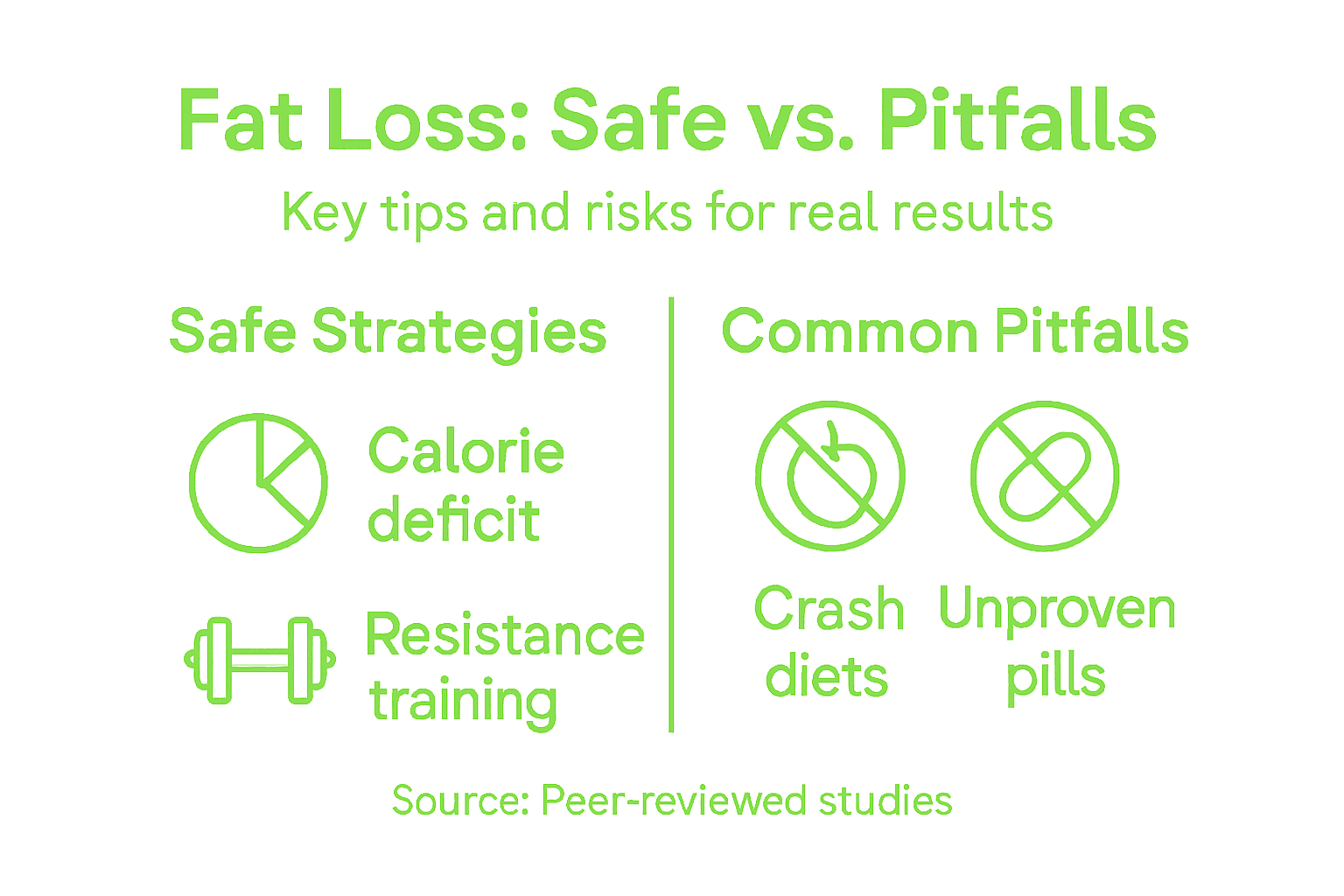
Safe fat loss isn’t complicated, but it demands consistency over flashy shortcuts. The foundation rests on creating a caloric deficit through a combination of diet and exercise, then maintaining that deficit long enough for meaningful change. Safe fat loss requires monitoring food intake using methods like calorie counting, portion control, or tracking macronutrients. A typical sustainable deficit sits around 300-500 calories below your maintenance level, which translates to roughly 0.5-1kg of fat loss weekly. This pace might feel slow compared to crash diet promises, but it preserves muscle mass, maintains metabolic rate, and creates habits you can sustain long-term. The mistake most people make is pursuing aggressive deficits that feel unsustainable within weeks, leading to the boom and bust cycle that sabotages actual progress.
Common pitfalls derail fat loss far more often than flawed training or supplement choices. Unrealistic expectations top the list; expecting to lose 5kg in two weeks when your body safely loses about 0.5-1kg weekly sets you up for disappointment and abandonment. Fad diets promise rapid results by cutting entire food groups or relying on extreme calorie restriction, but they’re metabolically unsustainable and frequently result in regaining the weight once you return to normal eating. Ignoring protein intake during fat loss is another silent killer. When you’re in a caloric deficit without adequate protein (roughly 1.6-2.2 grams per kilogram of body weight), your body breaks down muscle tissue for energy rather than relying solely on fat stores. This tanks your metabolic rate and leaves you smaller but flabby rather than lean and defined. Inconsistent training compounds these issues. Without resistance training stimulus, your body has no reason to preserve muscle during a deficit.
Supplements fit into safe fat loss as supporting tools, not solutions. Products like thermogenics can enhance a 3-11% boost to metabolic rate, but that’s meaningless if your diet and training aren’t dialled in. The safest approach pairs consistent resistance training three to four times weekly with a moderate caloric deficit, adequate protein, and strategic supplementation targeting areas where you genuinely struggle. Rather than jumping between supplements, establish baseline habits first. Track your food intake honestly for at least two weeks to understand your true caloric expenditure. Then layer in supplements if progress stalls after 3-4 weeks of consistent effort. MyGymSupplements provides tested products across all supplement categories, but the real work happens in the kitchen and gym.
One final pitfall deserves emphasis: treating fat loss as a temporary project rather than a lifestyle adjustment. Once you reach your target physique, you don’t return to the eating and training patterns that created excess fat in the first place. Sustainable fat loss requires adopting new patterns that become your default, not restrictions you endure temporarily. This shift in mindset from “going on a diet” to “building sustainable habits” determines whether you maintain results or regain the weight within months.
To help you avoid common mistakes, here is a summary of critical safe fat loss principles and pitfalls:
| Principle | Positive Impact | Common Pitfall | Negative Outcome |
|---|---|---|---|
| Consistent caloric deficit | Enables gradual fat loss | Extreme restriction | Unsustainable, rapid regain |
| Adequate protein intake | Preserves muscle mass, boosts metabolism | Neglecting protein | Muscle loss, slower metabolism |
| Resistance training | Maintains lean tissue, boosts fat oxidation | Inconsistent workouts | Flabby physique, plateau |
| Sustainable habits | Supports long-term results | Treating fat loss as temporary | Rapid weight regain |
Pro tip: Establish your baseline caloric intake by tracking food honestly for two weeks, then reduce by just 250-300 calories daily whilst maintaining protein at 1.8g per kilogram of body weight and resistance training three times weekly; this conservative approach prevents metabolic adaptation and muscle loss whilst delivering consistent weekly fat loss.
Risks, Side Effects, and Legal Considerations
Fat burning supplements carry genuine risks that deserve serious attention, particularly when people chase rapid results without understanding ingredient interactions or their own health status. The most common side effects stem from stimulant based ingredients, particularly caffeine and related compounds. High caffeine doses (above 400mg daily) can trigger jitteriness, anxiety, elevated heart rate, sleep disruption, and increased blood pressure. For individuals with pre existing cardiovascular conditions, thyroid issues, or anxiety disorders, these side effects can escalate beyond uncomfortable into dangerous territory. Green tea extract, often combined with caffeine for synergistic fat burning, may stress the liver at very high doses, though normal supplementation amounts remain safe for most people. L-Carnitine rarely causes issues in standard doses, but excessive intake can produce a fishy body odour and gastrointestinal upset. Glucomannan requires adequate water intake; without it, the fibre expands in your oesophagus rather than your stomach, creating choking hazards.
The UK regulatory landscape for supplements differs significantly from prescription medications. Fat burning supplements fall under food law rather than medicine regulations, meaning they undergo less rigorous pre-market testing than pharmaceuticals. The Medicines and Healthcare products Regulatory Agency (MHRA) oversees supplement safety, but responsibility falls partly on manufacturers to ensure products don’t contain banned or undeclared ingredients. This creates a landscape where quality varies dramatically between brands. MyGymSupplements prioritises tested products from reputable manufacturers, but purchasing from unknown sellers online exposes you to counterfeit products or supplements containing unlisted stimulants like ephedrine (banned in the UK since 2001) or synephrine. These illegal additives dramatically increase cardiovascular risk, particularly when combined with exercise and heat stress.
Personal health factors determine whether specific fat burning supplements are appropriate for you. Individuals with hypertension, heart arrhythmias, diabetes, thyroid conditions, or psychiatric disorders should consult their GP before using stimulant based supplements. Pregnant and breastfeeding women should avoid most fat burning supplements entirely, as safety data remains limited. Medications interact unpredictably with supplements; caffeine interacts with certain antidepressants and blood pressure medications, whilst L-Carnitine may interfere with thyroid medication absorption. Never combine multiple fat burning supplements without understanding their combined stimulant content. Stacking caffeine from energy drinks, coffee, pre-workout powders, and fat burners simultaneously can push total intake dangerously high.
The legal responsibility sits with you as the consumer. Manufacturers must accurately label ingredients and dosages, but enforcement remains inconsistent. Before purchasing any supplement, check the product label for third-party testing certifications from organisations like NSF International or Informed Choice, which verify products contain only declared ingredients without banned substances. Report adverse effects to the MHRA’s Yellow Card Scheme, which tracks supplement safety incidents and informs regulatory decisions. Store purchased supplements safely away from children, follow dosage instructions precisely, and stop immediately if you experience chest pain, severe headache, persistent palpitations, or other concerning symptoms. Supplements enhance fat loss when combined with proper training and nutrition, but they’re not worth compromising your health.
Pro tip: Before purchasing any fat burning supplement, verify the manufacturer lists third party testing certification on the label and check the MHRA website or product reviews to confirm no users report adverse effects; this simple step prevents wasting money on counterfeit products or experiencing unexpected side effects.
Unlock Effective Fat Burning with the Right Support
Understanding how your body resists fat loss and the role of thermogenesis is key to overcoming frustrating plateaus and achieving lasting results. If you are struggling with metabolic resistance or want to enhance brown fat activation and muscle preservation, tailored supplementation combined with consistent training can transform your fat burning journey. MyGymSupplements.shop offers carefully selected products designed to work in harmony with your biology, focusing on proven thermogenic ingredients, fat mobilisation aids, and appetite control options.
Explore our range at MyGymSupplements to find supplements that support metabolic enhancement and complement your resistance training efforts. Don’t wait to optimise your approach—visit MyGymSupplements now to start tackling fat cell resistance and boost your natural fat burning capacity with scientifically backed solutions.
Frequently Asked Questions
What is the science behind fat burning?
Fat burning involves complex biological mechanisms where the body breaks down stored fat into energy. This process requires the interaction of hormones, the nervous system, and specific cell types, primarily driven by thermogenic adipose tissue that dissipates energy as heat.
How do fat burning supplements work?
Fat burning supplements typically target thermogenesis, metabolic rate, or appetite regulation. Effective ones boost energy expenditure and fat oxidation, while others reduce hunger signals to support a caloric deficit.
Are all fat burning supplements safe to use?
Not all fat burning supplements are safe. Many contain stimulants that can cause side effects such as increased heart rate or anxiety. Always consult with a healthcare professional, especially if you have pre-existing health conditions.
How can I effectively combine training and supplementation for fat loss?
To maximise fat loss, combine consistent resistance training (3-4 times a week) with cardiovascular exercise and targeted supplementation. Ensure adequate protein intake and maintain a moderate caloric deficit for sustainable results.
Recommended
- What Are Fat Burners? Understanding Their Role and Functions – MyGymSupplements
- 7 Safest Weight Loss Supplements for Fitness Success – MyGymSupplements
- Fat Burners Explained: Benefits, Types, and UK Safety – MyGymSupplements
- Understanding What is a Keto Supplement for Fitness – MyGymSupplements
- Healthy Fats: Why They Matter for Modern Wellness – naturessoulshop

0 comments