

Over 60 percent of British athletes overlook the powerful impact of immediate post workout nutrition. Rapid recovery after exercise is not just about resting but making sure your body gets the right nutrients at the right time. Knowing exactly what, when, and how much to eat can be the difference between progress and setbacks. Discover practical strategies and key scientific insights to transform your recovery routine and train smarter every single day.
Table of Contents
- Step 1: Assess Your Immediate Nutritional Needs
- Step 2: Select Optimal Protein and Carbohydrate Sources
- Step 3: Incorporate Essential Recovery Supplements
- Step 4: Time Your Nutrient Intake For Best Results
- Step 5: Monitor Recovery and Adjust Your Routine
Quick Summary
| Key Insight | Explanation |
|---|---|
| 1. Assess Immediate Nutritional Needs | Evaluate workout intensity and duration to determine specific post-exercise nutritional requirements for optimal recovery. |
| 2. Select Optimal Protein and Carbohydrate Sources | Choose nutrient-dense foods like lean proteins and whole grains to support muscle repair and replenish energy after workouts. |
| 3. Time Your Nutrient Intake | Consume proteins and carbohydrates within 30 minutes post-exercise to maximise muscle recovery and glycogen replenishment. |
| 4. Incorporate Essential Recovery Supplements | Use targeted supplements such as whey protein and creatine to enhance recovery efficiency after intense training sessions. |
| 5. Monitor Recovery and Adjust Routine | Track muscle soreness and energy levels to optimise training and nutritional strategies based on your body’s responses. |
Step 1: Assess your immediate nutritional needs
Understanding your body’s precise nutritional requirements after an intense workout is crucial for effective recovery and performance. Athletes must quickly evaluate their metabolic state and replenish essential nutrients to support muscle repair and energy restoration.
Immediate post exercise nutrition involves strategically consuming carbohydrates and proteins within a critical timeframe. Research from the University of Bath demonstrates that ingesting carbohydrates at 15 30 minute intervals can significantly expedite recovery, with athletes recommended to consume approximately 1 gram of carbohydrate per kilogram of lean body mass per hour during the initial recovery period.
To effectively assess your needs, consider these key factors: workout intensity, duration, body weight, and specific fitness goals. A high-intensity weight training session will require different nutritional strategies compared to endurance cardio. Aim to consume a balanced combination of proteins and carbohydrates that matches your exertion level. Loughborough University recommends consuming snacks or drinks containing carbohydrates, fluids, and protein immediately after intense exercise to support optimal muscle recovery and glycogen replenishment.
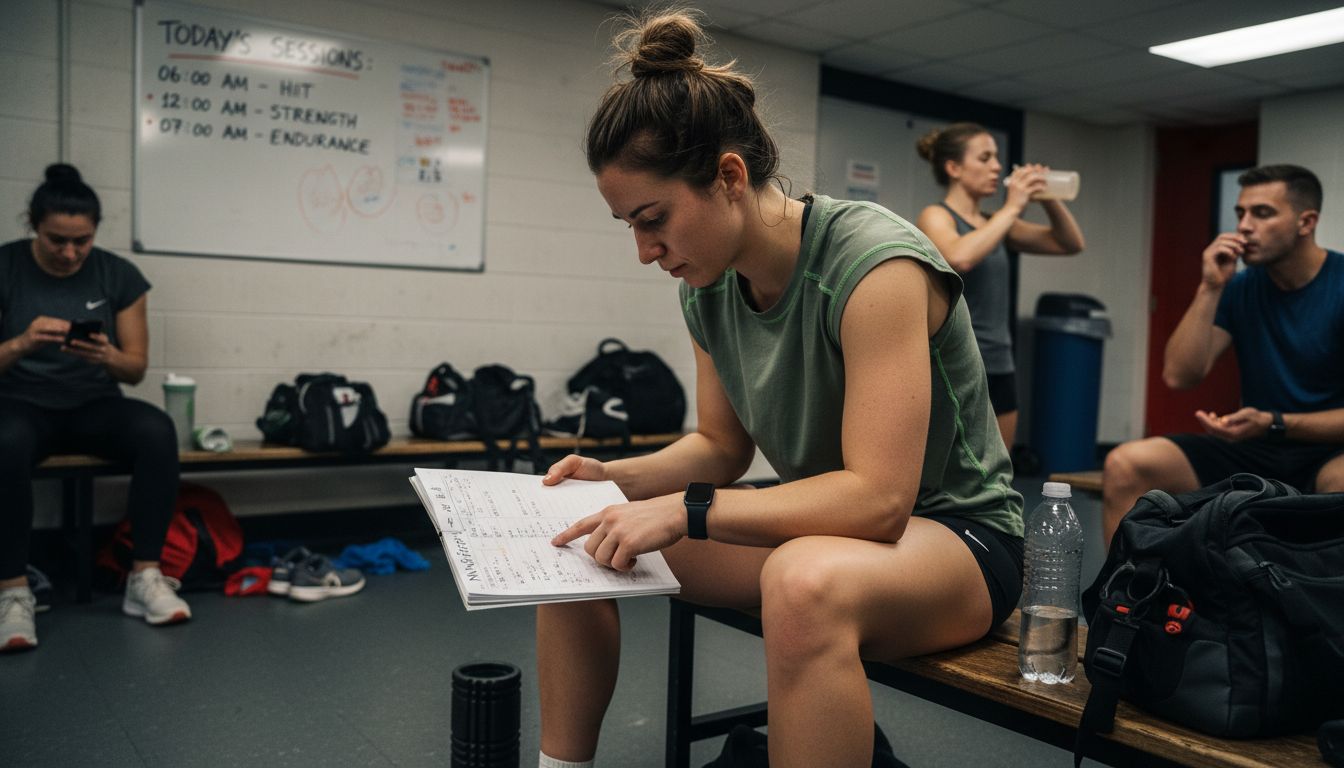
Quick tip: Keep a post workout nutrition kit with portable protein sources, electrolyte drinks, and easily digestible carbohydrates to ensure you can rapidly meet your body’s recovery needs.
Step 2: Select optimal protein and carbohydrate sources
Selecting the right combination of protein and carbohydrate sources is fundamental to effective post workout nutrition. Your goal is to choose nutrient dense foods that support muscle recovery and replenish energy stores rapidly.
Protein sources are critical for muscle repair and growth. Nutritional guidelines from Guys and St Thomas NHS recommend incorporating lean proteins such as poultry, fish, eggs, dairy products, legumes, nuts, and soy products to optimise recovery. These protein sources provide essential amino acids that help rebuild muscle tissue damaged during intense exercise. For carbohydrate intake, focus on wholesome options like wholegrain breads, brown pasta, basmati rice, and unprocessed cereals that deliver sustained energy and essential nutrients.
Timing matters significantly in post workout nutrition. According to University College London Hospital recommendations, consuming snacks 60 90 minutes before exercise that include both carbohydrates and protein can top up muscle glycogen stores and support muscle growth. A practical strategy involves creating balanced meals or snacks that combine lean proteins with complex carbohydrates such as grilled chicken with sweet potato, Greek yoghurt with berries, or a protein smoothie with oats.
Quick tip: Prepare post workout nutrition options in advance to ensure you have readily available, nutrient rich foods that can be consumed within the critical 30 minute recovery window.
Step 3: Incorporate essential recovery supplements
Incorporating the right recovery supplements can significantly accelerate muscle repair and replenish energy stores after intense training. Strategic supplementation allows athletes to optimise their post workout nutrition and support physiological recovery processes.
Research from Teesside University highlights the effectiveness of combining whey protein with carbohydrates and creatine monohydrate before, during, and after workouts to enhance training adaptations. Athletes should aim to consume protein supplements containing 17 to 20 grams of high quality protein every 3 to 5 hours to maintain an anabolic environment and maximise muscle protein synthesis.
Supplementation research suggests athletes should target 1.2 to 2.0 grams of protein per kilogram of body weight daily, with 20 25 grams consumed immediately post exercise to stimulate muscle protein synthesis. Consider incorporating supplements like whey protein isolate, branched chain amino acids (BCAAs), creatine monohydrate, and electrolyte replacements to support comprehensive recovery. These targeted supplements can help reduce muscle soreness, replenish glycogen stores, and prepare your body for subsequent training sessions.
Quick tip: Consult with a sports nutritionist to personalise your supplement strategy based on your specific training intensity, body composition, and fitness goals.
Step 4: Time your nutrient intake for best results
Successfully timing your nutrient intake can dramatically enhance muscle recovery and performance. Understanding the precise windows for protein and carbohydrate consumption is crucial for athletes seeking optimal physiological adaptation and muscle growth.
Research from the University of Stirling reveals that athletes maintaining body weight should target dietary protein intakes of 1.3 to 1.7 grams per kilogram daily. For those pursuing weight loss, increasing protein consumption to 2.4 grams per kilogram can help retain lean muscle mass while supporting metabolic function. Athletes should focus on consuming leucine rich protein sources within 30 minutes post exercise to maximise muscle protein synthesis.
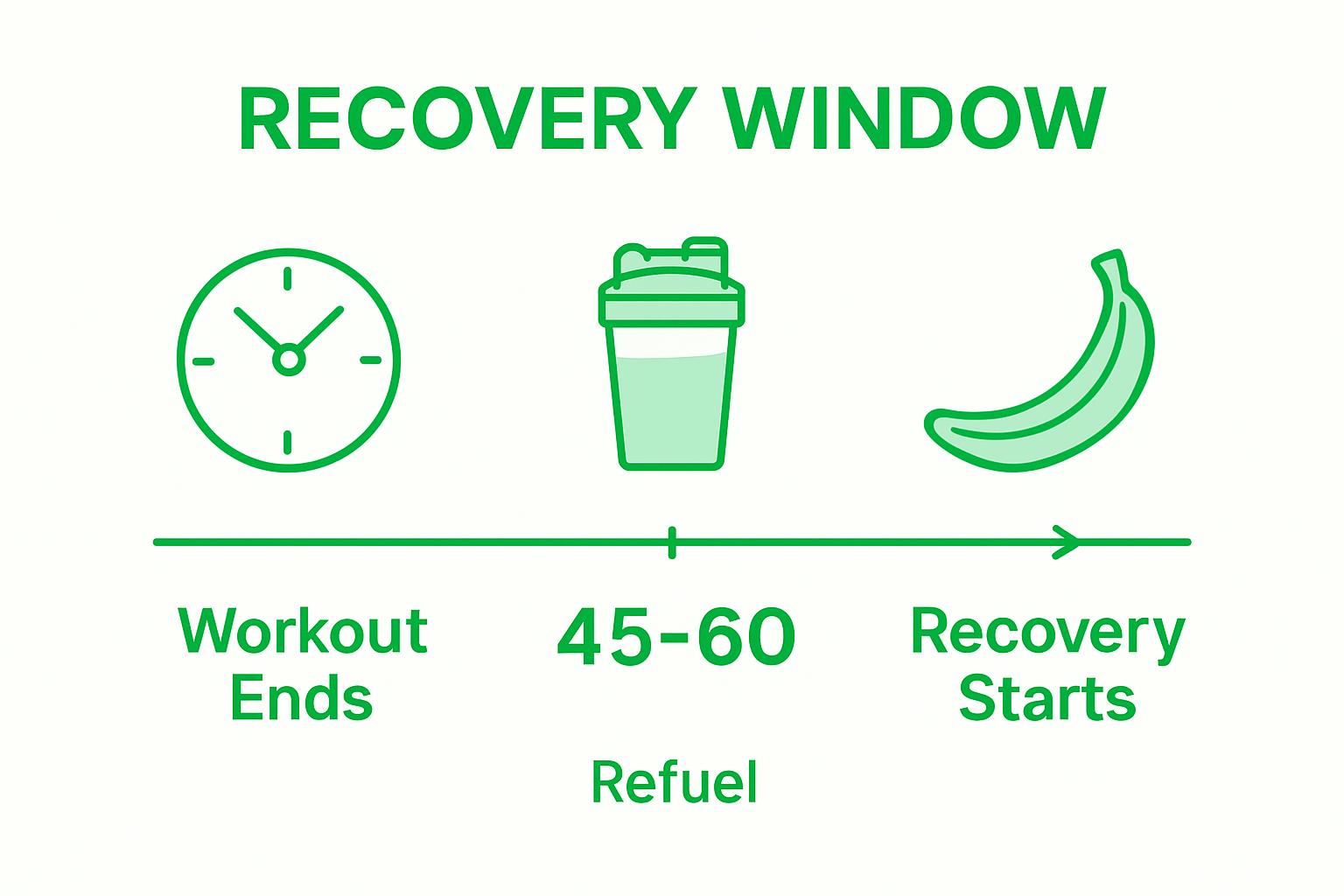
The critical recovery window begins immediately after training and extends approximately 45 to 60 minutes. During this period, your muscles are primed to absorb nutrients most efficiently. Consume a balanced combination of fast absorbing proteins like whey and quick digesting carbohydrates to replenish glycogen stores and initiate muscle repair. For sustained recovery, follow your immediate post workout nutrition with a substantial meal containing complex carbohydrates and lean proteins within two hours of training.
Quick tip: Set reminders or use smartphone apps to track your nutrient timing and ensure you do not miss these critical metabolic windows for optimal recovery.
Step 5: Monitor recovery and adjust your routine
Effective recovery monitoring requires a systematic approach to tracking your body’s response to training and nutritional strategies. By understanding how your physique adapts and responds, you can make informed adjustments to optimise performance and prevent potential overtraining.
Research from the Institute of Nutrition highlights that protein plays a crucial role in muscle recovery, with most athletes requiring 70 140 grams of protein daily, approximately 1.5 2 grams per kilogram of body weight. Key monitoring strategies include tracking muscle soreness, energy levels, sleep quality, and performance metrics such as strength, endurance, and recovery time between training sessions.
Implement a comprehensive tracking system using fitness apps, training logs, or wearable technology to record your workout intensity, nutritional intake, and physiological responses. Pay attention to indicators like persistent fatigue, decreased performance, irregular heart rate, and prolonged muscle soreness these might signal the need for nutritional or training routine modifications. Critical feeding times such as breakfast and protein intake before bed can significantly influence recovery, so ensure these periods are optimised with high quality nutrient sources.
Quick tip: Consider working with a sports nutritionist or performance coach who can help you interpret recovery data and make personalised adjustments to your training and nutrition strategy.
Enhance Your Post-Workout Recovery with the Right Supplements
The “Complete Guide to Post-Workout Nutrition for Athletes” highlights the critical need for timely protein and carbohydrate intake to optimise muscle repair and glycogen replenishment. If you struggle to consistently hit key recovery windows or find it challenging to select high-quality proteins and effective supplements, you are not alone. Many athletes face the challenge of maintaining energy and maximising muscle growth without the right nutritional support.
MyGymSupplements.shop is here to help you overcome these hurdles. Discover a wide range of premium proteins including whey isolate, plant-based options, and essential amino acids that align perfectly with evidence-backed recovery strategies. Our collection also features creatine monohydrate and performance recovery aids designed to reduce fatigue and accelerate muscle synthesis after intense training.

Take control of your fitness journey now by exploring our curated selection tailored to support your personalised nutrition goals. Visit MyGymSupplements.shop to choose supplements that fit your workout demands and unlock faster recovery. Don’t wait to fuel your progress with top-quality products formulated for athletes who demand the best.
Start improving your recovery today with high quality protein supplements and performance recovery aids. Your body deserves the best support immediately after every session.
Frequently Asked Questions
What should I eat immediately after a workout to support recovery?
To support recovery, consume a combination of carbohydrates and proteins within 30 minutes after your workout. Aim for approximately 1 gram of carbohydrate per kilogram of your body weight, along with a source of lean protein, such as yoghurt or a protein smoothie.
How do I determine my specific post-workout nutritional needs?
Assess your workout intensity, duration, and body weight to determine your nutritional needs. For example, after a high-intensity session, focus on consuming nutrient-dense foods rich in carbohydrates and proteins to replenish lost energy and facilitate muscle repair.
What are some good protein and carbohydrate sources for post-workout meals?
Good sources include lean proteins like chicken, fish, and eggs, paired with complex carbohydrates such as wholegrain pasta, brown rice, or sweet potatoes. Combine these into meals or snacks, like grilled chicken with quinoa, to ensure rapid nutrient absorption.
How can supplements enhance my post-workout nutrition?
Supplements like whey protein, branched chain amino acids (BCAAs), and creatine can accelerate muscle recovery and replenish energy stores. Consider consuming about 20-25 grams of protein immediately after exercise to support muscle protein synthesis.
How can I effectively monitor my recovery after workouts?
Monitor your recovery by tracking muscle soreness, energy levels, and sleep quality consistently. Use a training log or fitness app to document your responses and adjust your nutrition plan based on signs of fatigue or decreased performance.
When should I eat my next meal after my post-workout nutrition?
Follow your immediate post-workout nutrition with a substantial meal containing complex carbohydrates and lean proteins within 2 hours of training. This will help sustain muscle recovery and maintain energy levels for future workouts.
Recommended
- 7 Best Post-Workout Recovery Foods for Fitness Results – MyGymSupplements
- How to Optimize Workout Nutrition for Peak Results – MyGymSupplements
- Guide to Sports Nutrition Basics for Optimal Results – MyGymSupplements
- Understanding What is Anabolic Window and Its Importance – MyGymSupplements
- Complete Guide to CrossFit Chiropractic Care
- How to Choose the Best Protein for Muscle Recovery? - LeanAndFit

0 comments