

Athletes waste thousands annually on supplements that deliver minimal results. The fitness supplement industry generates over £400 million in UK sales, yet most training enthusiasts follow random protocols without timing or dosing strategy. This guide provides a research-backed, step by step supplement plan designed to enhance performance, accelerate recovery, and optimise health outcomes. You will learn precise timing, dosages, and combinations based on 2026 scientific evidence tailored for serious athletes.
Table of Contents
- Understanding Your Supplement Needs And Preparation
- Executing The Step By Step Supplement Plan
- Common Mistakes And Troubleshooting Your Supplement Plan
- Expected Results And Tracking Progress With Your Supplement Plan
- Discover Supplements Tailored To Your Fitness Goals
Key takeaways
| Point | Details |
|---|---|
| Timing matters | Proper supplement timing significantly impacts performance and recovery outcomes |
| Protein builds strength | Protein supplementation enhances muscular strength when paired with resistance training |
| Creatine needs consistency | Daily creatine intake of 3-5 grams maintains muscle saturation regardless of timing |
| Caffeine boosts output | Pre-workout caffeine at 3-6mg/kg improves power and endurance capacity |
| Beta-alanine aids intensity | Beta-alanine supplementation improves buffering capacity during high-intensity efforts |
Understanding your supplement needs and preparation
Before purchasing any supplement, assess your individual requirements based on sport type, training volume, and nutritional gaps. Endurance athletes require different support than powerlifters, whilst hybrid athletes face unique demands combining strength and cardiovascular work. Individualising supplement plans based on sport, deficiencies, and timing maximises benefit and prevents wasted investment.
Indoor athletes often develop vitamin D deficiencies due to limited sun exposure, whilst vegetarians may lack adequate creatine stores from dietary sources alone. Blood work reveals specific gaps, but common deficiencies include iron in female athletes and omega-3 fatty acids in those avoiding fish. Identifying these gaps prevents you from following generic protocols that ignore your unique physiology.
Timing consistency matters more than most athletes realise. Creatine requires daily intake to maintain muscle saturation, regardless of whether you train that day. Skipping doses creates fluctuating levels that reduce effectiveness. Similarly, post-workout nutrition windows exist for genuine physiological reasons, not marketing hype. Missing these windows diminishes recovery speed and adaptation quality.
Setting fitness supplement goals aligned with performance targets creates accountability and measurable outcomes. Vague intentions like “get stronger” fail compared to specific targets such as “increase squat by 10kg in 12 weeks” or “reduce 5km time by 30 seconds.” Clear goals guide supplement selection and dosing strategy.
Consider these preparation steps:
- Complete blood work to identify vitamin and mineral deficiencies
- Document current training volume, intensity, and recovery quality
- Establish baseline performance metrics for strength, endurance, or power
- Calculate body weight for precise caffeine and protein dosing
- Review dietary intake to identify nutritional gaps supplements will address
Pro Tip: Start a supplement journal tracking intake times, doses, and perceived effects. Patterns emerge over weeks showing which protocols enhance your training versus those providing minimal benefit. This personalised data proves more valuable than generic recommendations.
Executing the step by step supplement plan
Your supplement routine divides into three distinct phases: pre-workout, intra-workout, and post-workout. Each phase serves specific physiological purposes requiring targeted nutrition and timing. Following this structured approach optimises performance whilst accelerating recovery between sessions.
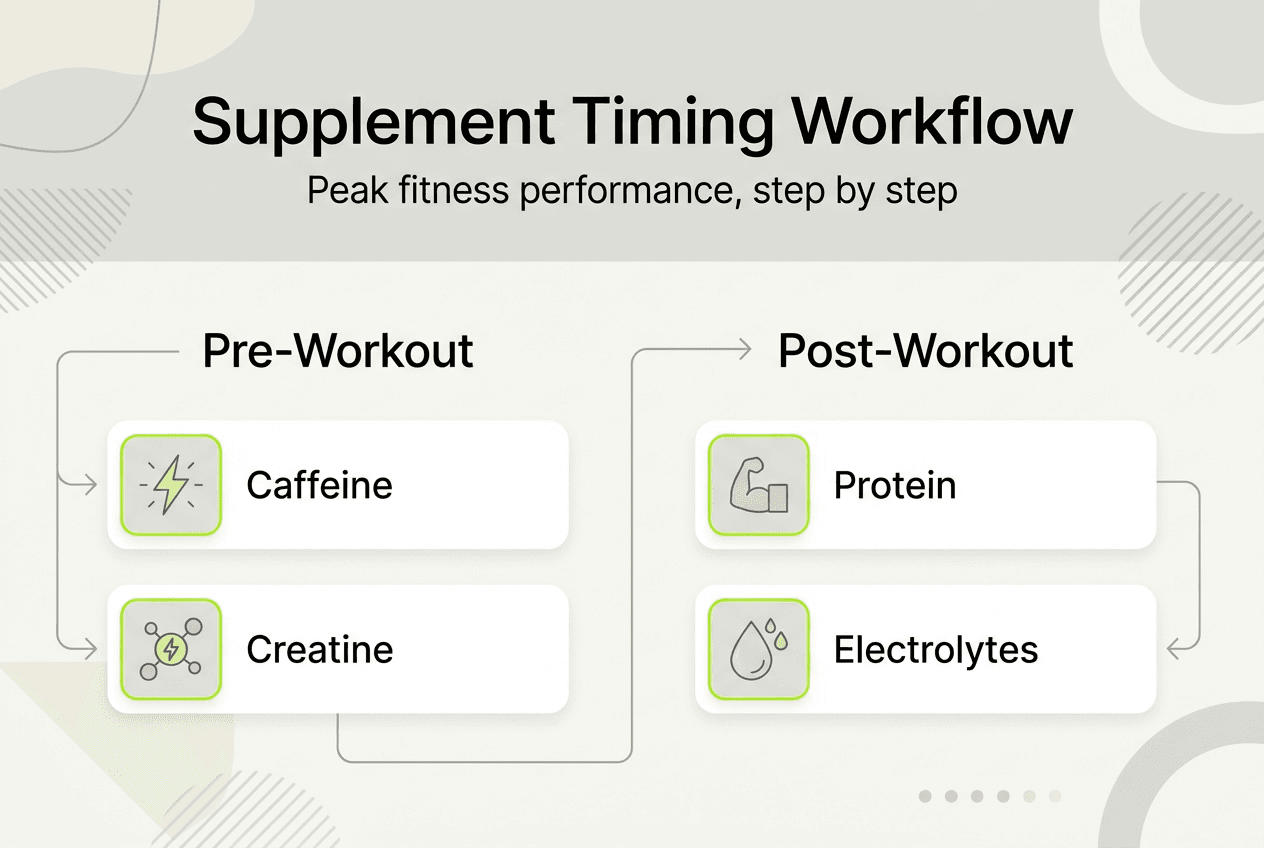
Pre-workout phase (30-60 minutes before training):
- Consume caffeine at 3-6mg per kg body weight to improve power output and endurance capacity. A 75kg athlete requires 225-450mg, roughly 2-4 espresso shots or one strong pre-workout supplement.
- Take 5 grams of creatine monohydrate if you prefer pre-workout dosing, though timing matters less than daily consistency for creatine.
- Include 3-6 grams of beta-alanine to enhance buffering capacity during high-intensity efforts. Beta-alanine benefits accumulate over weeks, so daily intake matters more than acute pre-workout effects.
- Consider 6-8 grams of citrulline malate for improved blood flow and reduced fatigue during resistance training.
Intra-workout phase (during training):
Most athletes require only water and electrolytes during sessions under 90 minutes. Longer endurance sessions benefit from 30-60 grams of carbohydrate per hour to maintain blood glucose and delay fatigue. Branch-chain amino acids provide minimal benefit during training when protein intake is adequate throughout the day.
Post-workout phase (within 60 minutes after training):
Immediate post-exercise protein intake of 20-40 grams accelerates muscle recovery and glycogen replenishment. Whey protein digests rapidly, making it ideal for this window, though any quality protein source works effectively. Pair protein with 1-1.2 grams of carbohydrate per kg body weight per hour to maximise glycogen restoration.

This fitness supplement timing workflow creates a systematic approach removing guesswork from your routine. Consistency across weeks produces measurable improvements in strength, power, and endurance metrics.
| Phase | Supplement | Dose | Timing | Primary Benefit |
|---|---|---|---|---|
| Pre-workout | Caffeine | 3-6mg/kg | 30-60min before | Power and endurance |
| Pre-workout | Beta-alanine | 3-6g | Daily (any time) | Buffering capacity |
| Pre-workout | Citrulline malate | 6-8g | 30min before | Blood flow |
| Post-workout | Whey protein | 20-40g | Within 60min | Muscle recovery |
| Post-workout | Carbohydrate | 1-1.2g/kg/h | Within 60min | Glycogen restoration |
| Daily | Creatine | 3-5g | Any time | Strength and power |
Pro Tip: Prepare supplement doses the night before training to eliminate morning decision fatigue. Pre-measured containers ensure accurate dosing and prevent you from skipping supplements due to time pressure.
Common mistakes and troubleshooting your supplement plan
Inconsistent timing represents the most frequent error undermining supplement effectiveness. Athletes who consume post-workout protein 3 hours after training miss the enhanced muscle protein synthesis window. Similarly, irregular creatine intake creates fluctuating muscle stores that reduce performance benefits. Treat supplement timing with the same discipline as training schedules.
Over-supplementation wastes money whilst providing zero additional benefit. Research shows limited benefits of some supplements like HMB and BCAAs in trained athletes with adequate protein intake. Marketing claims often exceed scientific evidence, particularly for proprietary blends hiding actual ingredient doses. Focus on proven supplements with robust research backing rather than chasing the latest trend.
Caffeine responses vary dramatically between individuals due to genetic differences in metabolism. Some athletes feel jittery and anxious at 200mg whilst others tolerate 400mg without issue. Start at the lower end of recommended doses and increase gradually based on your response. Poor sleep quality from late afternoon caffeine intake undermines recovery more than the performance benefit justifies.
Personalising your supplement plan requires honest assessment of what works for your physiology. If beta-alanine causes uncomfortable tingling that disrupts focus, the theoretical benefit becomes irrelevant. Similarly, some athletes experience digestive distress from whey protein, making plant-based alternatives more practical despite slightly different amino acid profiles.
Avoid these common pitfalls:
- Taking creatine only on training days instead of maintaining daily consistency
- Consuming excessive protein beyond 1.6-2.2g per kg body weight daily
- Using fat burners as substitutes for proper nutrition and training intensity
- Neglecting whole food nutrition whilst relying heavily on supplements
- Ignoring individual caffeine tolerance and timing relative to sleep
“Supplements enhance an already solid foundation of training, nutrition, and recovery. They cannot compensate for inadequate sleep, poor dietary choices, or inconsistent training protocols. Prioritise the fundamentals before optimising supplementation.”
Monitor how your body responds over 4-6 weeks before making major changes. Performance improvements take time to manifest, whilst side effects often appear quickly. This building workout supplement routine guide helps you establish sustainable protocols that fit your lifestyle and training demands.
Expected results and tracking progress with your supplement plan
Realistic expectations prevent disappointment and maintain long-term adherence. Protein supplements increase muscular strength significantly when paired with resistance training, but they will not transform your physique without consistent progressive overload. Supplements enhance specific performance aspects rather than creating dramatic changes independent of training quality.
Objective measurement reveals true supplement effectiveness better than subjective feelings. Track these metrics every 4 weeks:
- Strength performance on key lifts like squat, bench press, and deadlift
- Endurance capacity measured by time to exhaustion or pace at threshold
- Recovery speed assessed by soreness duration and readiness to train
- Body composition changes using consistent measurement methods
- Training volume tolerance before fatigue or form breakdown occurs
Creatine typically increases strength by 5-15% over 8-12 weeks when combined with resistance training. You might add 5-10kg to major lifts whilst maintaining similar body weight. Endurance improvements from caffeine appear immediately but plateau as tolerance develops. Beta-alanine effects accumulate gradually, with noticeable buffering improvements after 4-6 weeks of consistent dosing.
Protein supplementation matters most when dietary intake falls short of 1.6g per kg body weight daily. Athletes already consuming adequate protein from whole foods see minimal additional benefit from supplements. Calculate your total daily protein from all sources before adding supplements to fill genuine gaps.
| Supplement | Expected Benefit | Timeline | Measurement Method |
|---|---|---|---|
| Creatine | 5-15% strength increase | 8-12 weeks | Track 1RM on major lifts |
| Protein | Enhanced muscle recovery | 4-8 weeks | Monitor training volume tolerance |
| Caffeine | 3-7% power output boost | Immediate | Test sprint or lift performance |
| Beta-alanine | Improved high-intensity capacity | 4-6 weeks | Time to exhaustion tests |
Adjust your supplement plan based on measurable progress rather than feelings alone. If creatine produces no strength gains after 12 weeks, you might be a non-responder requiring alternative strategies. Conversely, significant improvements justify continued investment in proven protocols. This creatine usage guide provides detailed tracking frameworks for monitoring effectiveness.
Remember that supplements enhance training adaptations but cannot replace quality programming, adequate nutrition, and sufficient recovery. Athletes achieving 80% of their genetic potential see smaller supplement effects than beginners with more room for improvement. Manage expectations accordingly whilst maintaining consistent protocols that support long-term progress.
Discover supplements tailored to your fitness goals
MyGymSupplements offers scientifically backed supplements designed to support your step by step plan for peak performance. Our curated selection includes premium whey protein, creatine monohydrate, beta-alanine, and pre-workout formulas with transparent labelling and effective doses. Each product undergoes rigorous quality testing to ensure purity and potency.
Explore our range of protein powders including whey, casein, and plant-based options to match your dietary preferences and timing needs. Our creatine products provide pure monohydrate without unnecessary additives or inflated claims. Pre-workout formulas contain research-backed doses of caffeine, beta-alanine, and citrulline for genuine performance enhancement.
Visit MyGymSupplements to discover supplements that align with your training goals and supplement plan. Our expert guides help you customise your routine further whilst convenient online shopping delivers quality products directly to your door.
FAQ
What is the best timing for protein intake?
Consume protein within 30-60 minutes after exercise for optimal recovery and muscle protein synthesis. This post-workout window maximises your body’s ability to utilise amino acids for repair. A dose of 20-40 grams provides sufficient stimulus for most athletes without excess waste.
Can caffeine improve my workout performance?
Yes, caffeine at 3-6mg per kg body weight taken 30-60 minutes before training improves power output and endurance capacity. Individual responses vary significantly due to genetic factors affecting metabolism. Start with lower doses around 3mg/kg and increase gradually whilst monitoring sleep quality and anxiety levels.
How much creatine should I take daily?
A daily dose of 3-5 grams maintains creatine saturation in muscles for enhanced strength and power output. Consistency matters more than timing, so take your dose at whatever time fits your routine best. Loading phases are unnecessary, though they accelerate saturation if you prefer faster results. This creatine usage guide provides detailed protocols for different training goals.
Do I need supplements if my diet is already good?
Supplements fill specific gaps and enhance performance beyond what diet alone achieves. Even athletes with excellent nutrition benefit from strategic creatine, caffeine, and beta-alanine use during training. However, supplements cannot compensate for poor dietary foundations or inadequate total protein intake. Prioritise whole food nutrition first, then add supplements to optimise specific performance aspects.
Recommended
- How to Create Supplement Schedule for Peak Fitness Results – MyGymSupplements
- How to Create Supplement Schedule for Peak Fitness Results – MyGymSupplements
- How to Maintain Supplement Schedule for Peak Fitness Results – MyGymSupplements
- How to Maintain Supplement Schedule for Peak Fitness Results – MyGymSupplements
- Power Training: The Underrated Key to Healthy Aging — Longevity Based

0 comments