

Over 40 percent of British gymgoers report confusion about how to use creatine effectively. With fitness goals ranging from muscle gain to enhanced sports performance, knowing exactly how creatine fits into your plan is crucial. This guide explains step by step how to assess your needs, choose the best type, determine dosage, and integrate creatine for optimal results—helping British athletes make smarter decisions and achieve real results.
Table of Contents
- Step 1: Assess Your Fitness Goals For Creatine Usage
- Step 2: Select The Appropriate Creatine Supplement
- Step 3: Determine Your Ideal Creatine Dosage
- Step 4: Incorporate Creatine Into Your Daily Routine
- Step 5: Monitor Your Progress And Adjust As Needed
Quick Summary
| Key Point | Explanation |
|---|---|
| 1. Assess Your Fitness Goals | Understand what performance objectives you aim to achieve with creatine supplementation for optimal results. |
| 2. Choose Pure Creatine Monohydrate | Select a high-quality creatine monohydrate supplement for proven effectiveness in strength and muscle gains. |
| 3. Determine Your Ideal Dosage | Follow recommended protocols, either a loading phase or a gradual intake, to find an effective creatine dosage for your needs. |
| 4. Incorporate Creatine Consistently | Mix creatine with carbohydrates and take it regularly, ideally post-workout, to maximise absorption and benefits. |
| 5. Monitor Progress and Adjust | Track your performance and physical responses to creatine, making necessary adjustments based on your individual reactions. |
Step 1: Assess your fitness goals for creatine usage
Understanding your specific fitness objectives is crucial when considering creatine supplementation. Not all athletes will benefit identically from this supplement, so a targeted approach matters. Creatine’s performance enhancement potential varies depending on your individual training goals and physiological profile.
If you are an athlete engaged in high intensity, short duration activities such as weightlifting, sprinting, or explosive sports, creatine could provide significant advantages. The key is matching your supplement strategy with your specific performance objectives. Strength trainers seeking muscle mass gains, powerlifters aiming for maximum explosive power, and athletes wanting improved recovery between intense sets will likely see the most pronounced benefits.
Before starting any supplementation regimen, conduct an honest assessment of your current fitness level, training frequency, and specific performance targets. Consider consulting a sports nutritionist who can help you develop a personalised approach to integrating creatine into your nutrition and training plan. Nutritional research indicates that individuals following an omnivorous diet may already obtain some creatine through food sources, which means your supplementation strategy should account for your existing dietary intake.
Step 2: Select the appropriate creatine supplement
Choosing the right creatine supplement is a critical decision that can significantly impact your fitness performance. Creatine monohydrate remains the gold standard among athletes seeking muscle mass and strength gains, with decades of scientific research supporting its effectiveness and safety.
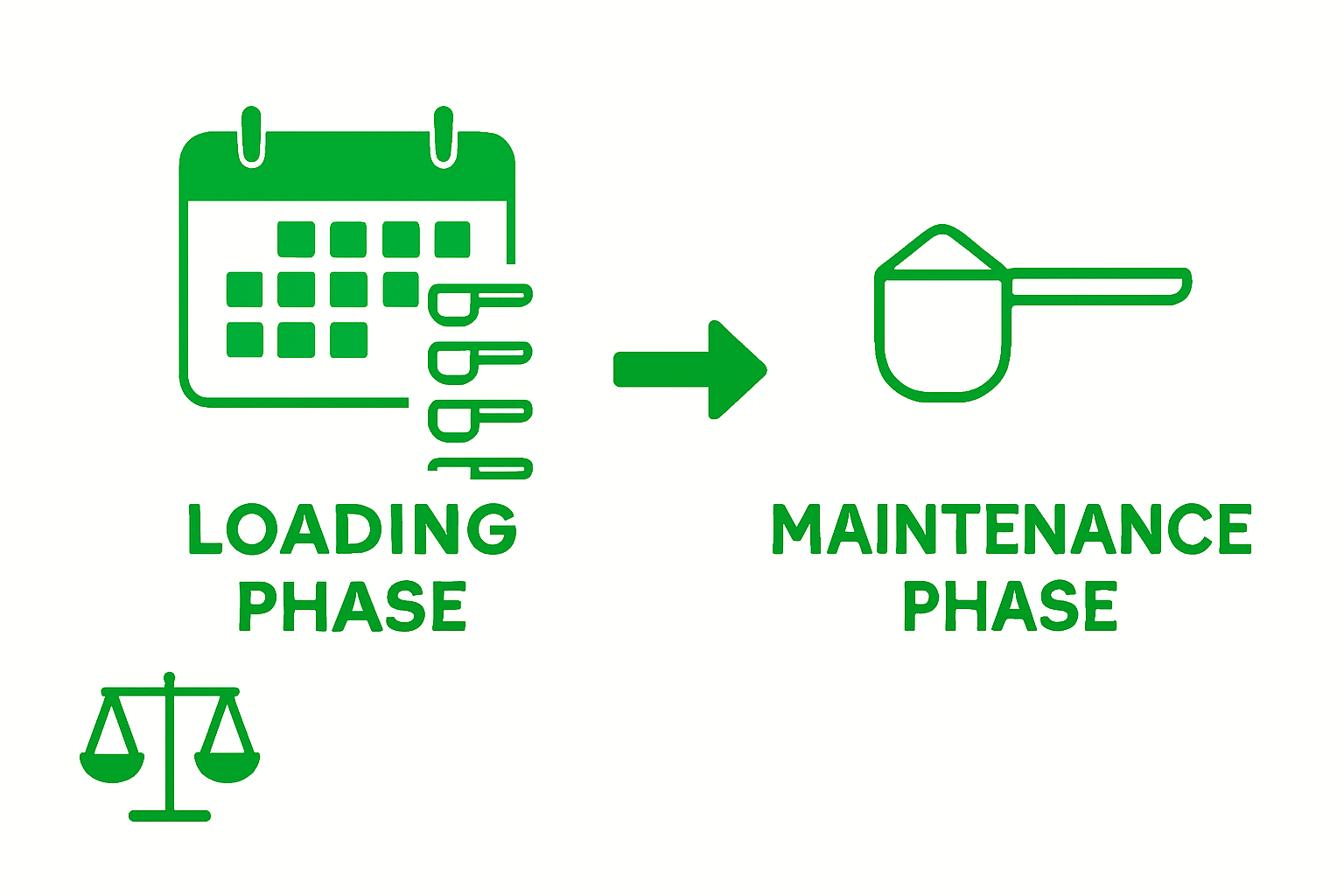
When selecting a creatine supplement, focus on purity, micronisation quality, and proven formulation. Look for supplements that offer creatine monohydrate in its purest form, with minimal additional ingredients. Supplementation protocols typically recommend a loading phase of 20 grams per day divided into 4 doses for 5 to 7 days, followed by a maintenance dose of 3 to 5 grams daily. Serious bodybuilders and strength athletes will benefit most from this approach, while endurance athletes might see less pronounced results.
Prioritise supplements from reputable manufacturers that provide third party testing and transparent ingredient lists. 7 Key Types of Creatine Explained for Fitness Success can help you understand the nuanced differences between various creatine formulations. Always start with a standard creatine monohydrate supplement and avoid complex blends until you understand how your body responds to basic supplementation.
Step 3: Determine your ideal creatine dosage
Determining your optimal creatine dosage requires understanding two primary supplementation strategies that have proven effective for athletes. Research from sports nutritionists suggests two primary approaches for creatine intake: a loading phase method and a gradual supplementation protocol.

The classic loading phase involves consuming 15 to 20 grams of creatine daily for 5 to 7 days, divided into 4 separate doses. This approach rapidly saturates muscle creatine stores, allowing you to experience performance benefits more quickly. Alternatively, a more conservative method involves taking 3 to 5 grams daily without an initial loading phase. Extensive studies demonstrate that both methods can effectively improve performance in short duration high intensity exercises, particularly those lasting under 30 seconds.
Your specific dosage should factor in your body weight, training intensity, and individual metabolic response. Typically, athletes weighing around 68 to 82 kilograms find 5 grams daily sufficient. Unleash Strength with Optimum Nutrition Micronised Creatine can provide additional guidance on selecting the right supplement for your specific needs. Always start with the lowest recommended dose and monitor your body’s response, adjusting as necessary while staying within the 3 to 5 grams per day range.
Step 4: Incorporate creatine into your daily routine
Successful creatine supplementation hinges on consistent and strategic integration into your daily nutrition plan. Research recommends consuming creatine with carbohydrates to optimise absorption, suggesting mixing your supplement with fruit juice or consuming it alongside a carbohydrate rich meal.
Timing matters when incorporating creatine into your routine. While you can take it at any point during the day, many athletes prefer consuming it either immediately before or after their workout. Some find mixing creatine with post workout chocolate milk provides both the necessary carbohydrates and a palatable delivery method. Performance studies indicate that consistent daily intake is more crucial than precise timing, so prioritise creating a sustainable habit you can maintain long term.
Building a Workout Supplement Routine for Optimal Results can help you develop a comprehensive strategy. Pro tip: set a daily reminder on your phone or place your creatine supplement next to your protein powder or morning vitamins to ensure you do not forget your daily dose. Aim for consistency and listen to your body as you integrate this supplement into your fitness regimen.
Step 5: Monitor your progress and adjust as needed
Tracking your creatine supplementation requires careful observation of both physical performance and potential physiological responses. Every athlete responds differently to supplementation, making personal monitoring critical for understanding how creatine impacts your individual fitness journey.
Key indicators to track include workout performance, muscle strength, body composition, and overall energy levels. Pay attention to subtle changes in your training capacity such as increased repetition counts, reduced recovery times, and enhanced muscle fullness. Be vigilant about potential side effects like unexpected water retention, digestive discomfort, or changes in muscle tone. Clinical research highlights that individual responses can vary significantly, so maintaining a detailed training and supplement journal will help you make informed adjustments.
Consider scheduling quarterly assessments with a sports nutritionist who can provide professional insights into your supplementation strategy. A professional can help you fine tune your approach, ensuring you are maximising creatine’s potential while monitoring your body’s unique response. Remember that supplement effectiveness is not universal keep an open mind and be prepared to modify your approach based on your body’s specific signals.
Unlock Your Full Potential with Expertly Selected Creatine Supplements
Navigating the complexities of creatine supplementation can feel overwhelming when aiming for peak performance. The article highlights critical challenges such as choosing the right creatine type, dosing strategies, and incorporating the supplement effectively into your daily routine. Whether you are a strength athlete seeking muscle mass gains or an endurance competitor exploring creatine benefits, understanding these personalised needs is essential to overcome plateaus and boost recovery.

Take control of your fitness journey today with high-quality options from our exclusive creatine collection. At MyGymSupplements.shop we offer pure creatine monohydrate and micronised formulations trusted by athletes worldwide. Get started with products designed for optimal absorption and consistent results. Visit our site now and transform your workouts with supplements tailored to your goals.
Frequently Asked Questions
How should I assess my fitness goals for using creatine?
Understanding your fitness goals is essential before starting creatine supplementation. Assess your current fitness level, training frequency, and specific performance targets to ensure that creatine aligns with your objectives. Consider consulting a sports nutritionist for tailored advice based on your unique situation.
What type of creatine supplement should I choose?
Creatine monohydrate is the most recommended form due to its proven effectiveness and safety. Look for pure creatine monohydrate supplements from reputable manufacturers that provide transparent ingredient lists and third-party testing.
What is the ideal dosage of creatine for athletes?
The ideal dosage generally varies between 3 to 5 grams daily, but you can start with a loading phase of 15 to 20 grams per day for the first 5 to 7 days. Monitor your body’s response and adjust as necessary, aiming to maintain a consistent intake within this range.
How can I incorporate creatine into my daily routine?
Incorporate creatine consistently by mixing it with carbohydrates, like fruit juice or a post-workout chocolate milk. Take it at a time that suits your schedule, and aim to create a daily routine that you can stick to long-term.
What should I monitor while using creatine?
Track aspects like workout performance, muscle strength, body composition, and overall energy levels. Keep a detailed record of your training and any side effects you experience, such as water retention or digestive discomfort, to inform necessary adjustments.
When should I consult a sports nutritionist about my creatine use?
Consider scheduling quarterly assessments with a sports nutritionist to refine your creatine supplementation strategy. A professional can provide insights tailored to your specific monitor progress effectively.
Recommended
- 7 Key Types of Creatine Explained for Fitness Success – MyGymSupplements
- Why MyProtein Creatine Monohydrate Elevates Workouts – MyGymSupplements
- Unleash Strength with Optimum Nutrition Micronised Creatine – MyGymSupplements
- Maximize Athletic Performance with Per4m Creatine Monohydrate – MyGymSupplements
- Complete Guide to Best Practices for Climber Training - Gripnatic

0 comments