

Over 60 percent of British adults say they struggle to fully recover after intense workouts. Whether you are a seasoned athlete or just starting your fitness journey, finding the right recovery strategy matters more than ever. A streamlined routine prevents injury, speeds up muscle repair, and keeps your motivation high. This guide brings together expert-backed tips and surprising facts, helping British fitness enthusiasts master every stage of post-exercise recovery for real, lasting results.
Table of Contents
- Step 1: Prepare Recovery Space and Equipment
- Step 2: Hydrate and Supplement Effectively
- Step 3: Stretch and Cool Down Properly
- Step 4: Incorporate Optimal Nutrition
- Step 5: Monitor Recovery Progress and Adjust
Quick Summary
| Key Insight | Explanation |
|---|---|
| 1. Set Up a Dedicated Recovery Space | Create a comfortable, quiet area with soft flooring and essential recovery tools to enhance muscle regeneration. |
| 2. Manage Hydration Effectively | Calculate fluid loss and replenish with a balanced electrolyte drink within 30 minutes post-exercise for optimal hydration. |
| 3. Prioritise Proper Stretching | Incorporate static stretching post-workout focusing on key muscle groups to prevent injury and support recovery. |
| 4. Optimize Nutritional Intake | Consume a balanced meal with proteins and carbohydrates in a specific ratio within 45 minutes after your workout for effective recovery. |
| 5. Monitor and Adjust Recovery Progress | Track recovery indicators and adjust nutrition or training strategies based on your body’s specific signals for better performance. |
Step 1: Prepare Recovery Space and Equipment
Setting up a dedicated recovery zone transforms your post-workout routine from basic to strategic. Research by Dr. Nathan Hodson at the University of Birmingham highlights the importance of creating an environment that supports muscle recovery and metabolic regeneration.
Start by selecting a quiet, comfortable area with enough space to stretch and perform recovery movements. Ideally, this space should have soft flooring like yoga mats or padded surfaces that cushion your body and provide insulation. Gather essential recovery equipment beforehand: foam rollers, resistance bands, massage balls, cooling towels, and hydration supplies. Position these items within easy reach so you can transition smoothly between different recovery techniques.
One crucial tip is temperature management. Keep a fan or air conditioning nearby to help regulate body temperature and support faster muscle cooling. Having a water bottle, electrolyte drink, and recovery nutrition within arm’s reach will streamline your post-workout routine and ensure you replenish nutrients immediately after exercise. Your recovery space is now primed for optimal muscle regeneration and performance enhancement.
Ready to begin your targeted recovery process?
Step 2: Hydrate and Supplement Effectively
Maximising post-workout hydration and supplementation is crucial for muscle recovery and performance enhancement. Research exploring fluid balance strategies indicates that effective rehydration involves more than simply drinking water.
Start by calculating your fluid loss through bodyweight measurements before and after exercise. Aim to replenish 150% of the weight lost to ensure complete hydration. Select electrolyte drinks or powders that contain sodium and other essential minerals to rapidly restore your body’s balance. Nutrition research from the University of Bath highlights the importance of combining carbohydrates and proteins to support muscle glycogen resynthesis and recovery.
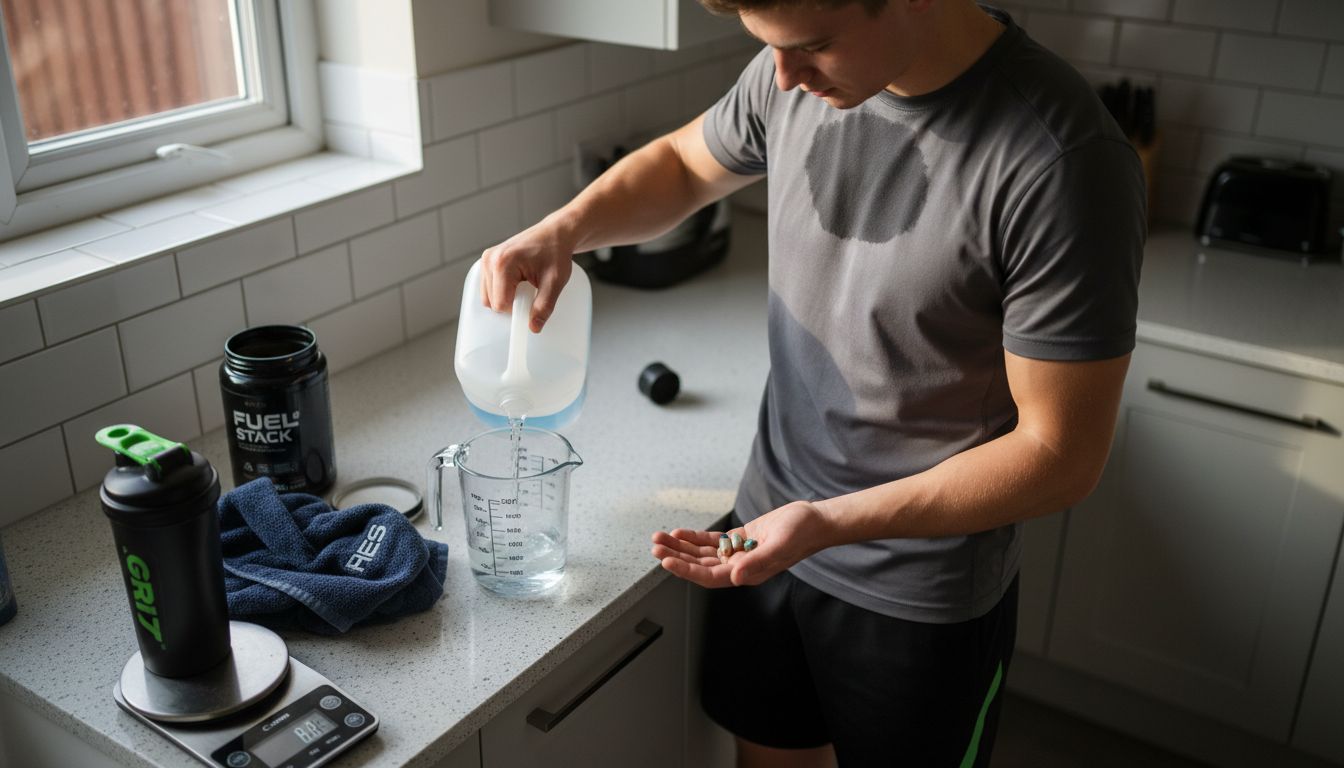
A critical tip is timing your supplementation. Consume your recovery drink within 30 minutes post-workout when your muscles are most receptive to nutrient absorption. Choose supplements with a balanced electrolyte profile and consider adding branched-chain amino acids to support muscle protein synthesis. Your body will thank you with faster recovery and reduced muscle soreness.
Ready to optimise your post-workout nutrition strategy?
Step 3: Stretch and Cool Down Properly
Recovery techniques recommended by Newcastle University’s Health and Wellbeing Hub emphasise the critical importance of proper post-workout stretching and cooling down. These practices are not just optional extras but fundamental components of an effective fitness routine that prevent injury and support muscle recovery.
Begin with static stretching focusing on muscle groups you’ve most intensely worked during your session. Hold each stretch for 15 to 30 seconds without bouncing, targeting major muscle groups like quadriceps, hamstrings, calves, and upper body muscles. Comprehensive research on post-exercise recovery methods suggests incorporating both dynamic and static stretching techniques to optimise muscle flexibility and reduce potential soreness.
A crucial tip is maintaining controlled breathing during stretches to help your body transition from high intensity exercise to a relaxed state. Pay attention to any areas of tension or discomfort, but avoid pushing into pain. Gentle, consistent stretching allows muscles to gradually release accumulated tension and supports more effective recovery. Your muscles will appreciate this mindful approach to cooling down.
Ready to transform your post-workout recovery strategy?
Step 4: Incorporate Optimal Nutrition
Cutting-edge nutritional research from the University of Bath reveals the profound impact of strategic nutrient timing and composition on muscle recovery and performance. Understanding how to fuel your body effectively can dramatically enhance your post-workout regeneration process.
Focus on creating a balanced post-workout meal that combines high quality proteins and complex carbohydrates within 45 minutes after exercise. Aim for a 3:1 or 4:1 carbohydrate to protein ratio to maximise muscle glycogen replenishment and support protein synthesis. Proteins should come from lean sources like chicken, fish, or protein supplements with a complete amino acid profile. Include nutrient dense carbohydrates from sources like sweet potatoes, quinoa, or brown rice to support energy restoration.
A critical nutritional strategy is personalisation. Your specific macronutrient needs will depend on workout intensity, body composition, and fitness goals. Consider tracking your meals and monitoring how different nutrient combinations impact your recovery and performance. Experiment with meal timing and composition to discover your optimal nutritional workflow.
Ready to transform your post-workout nutrition approach?
Step 5: Monitor Recovery Progress and Adjust
Innovative research from Loughborough University emphasises the critical importance of systematic recovery monitoring and adaptive strategies. Understanding your body’s unique recovery signals is key to optimising performance and preventing potential overtraining.
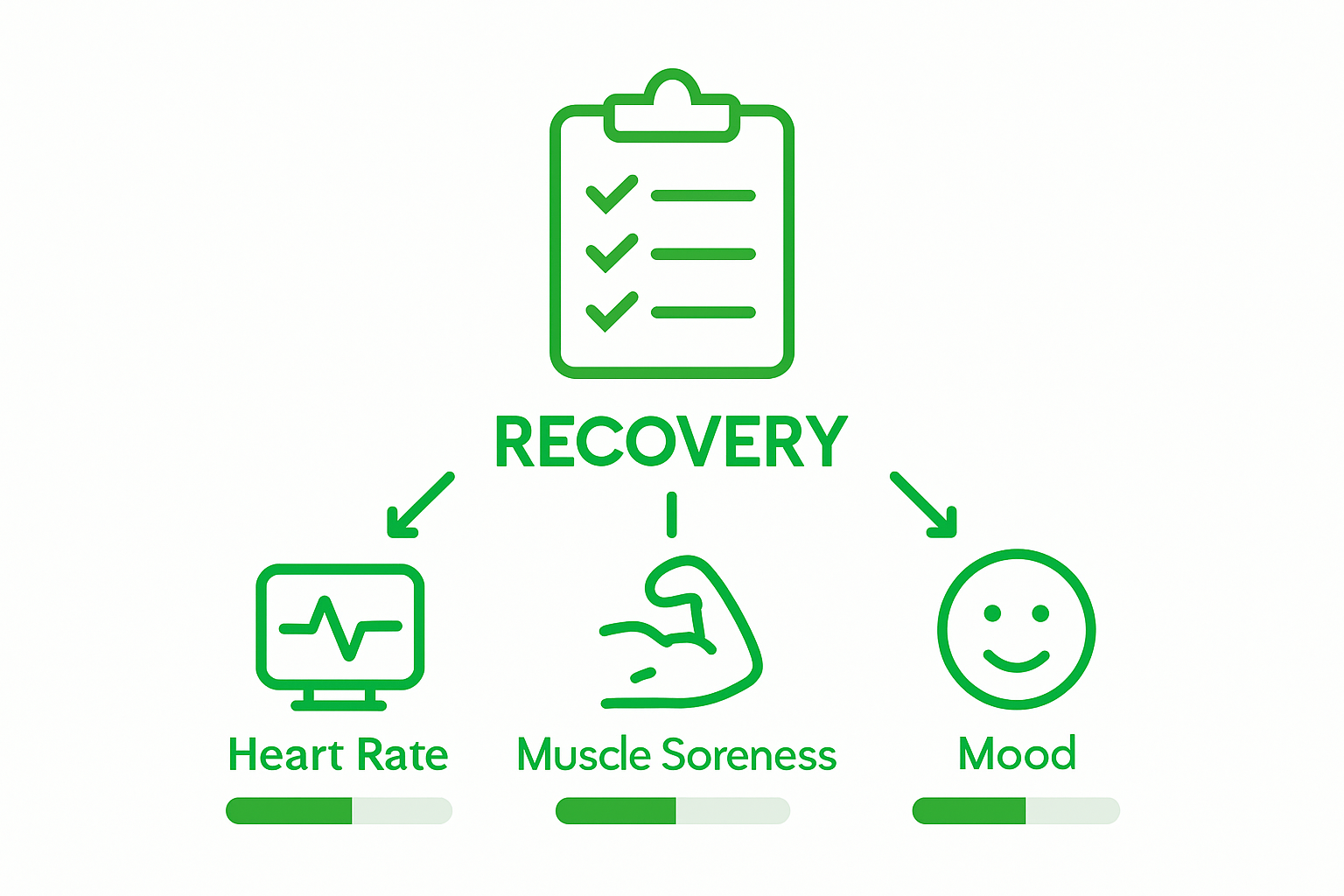
Track your recovery progress through multiple objective and subjective indicators. Quantitative measures include monitoring morning heart rate, body weight fluctuations, sleep quality, and muscle soreness levels. Use a recovery tracking app or journal to log these metrics consistently. Additionally, assess subjective feelings like energy levels, motivation, and perceived exertion during workouts. Pay attention to signs of inadequate recovery such as persistent fatigue, decreased performance, or increased susceptibility to minor illnesses.
One critical strategy is personalisation. Research by Dr. Matthew Cook underscores the importance of individualised recovery approaches. Be prepared to adjust your nutrition, rest, and training intensity based on your body’s specific responses. If you notice consistent patterns of incomplete recovery, consider consulting a sports nutritionist or physiologist to refine your approach. Remember that recovery is not a onesize fits all process but a dynamic, personal journey.
Ready to become your own recovery expert?
Enhance Your Post-Workout Recovery with Targeted Nutrition and Supplements
Achieving optimal muscle recovery and performance requires more than just rest and stretching. This article highlights common challenges such as effective hydration, precise nutrient timing, and personalised recovery monitoring that many athletes and fitness enthusiasts face daily. If you struggle to find the right supplements to support your recovery workflow including essential proteins, amino acids, and electrolytes, you are not alone. Key pain points include managing muscle soreness, boosting glycogen resynthesis, and replenishing electrolytes efficiently to reduce downtime.
At MyGymSupplements.shop, we understand these challenges and offer a comprehensive selection of recovery aids and nutritional products designed to address exactly these needs. Whether you want to speed up muscle regeneration with high quality whey or plant-based proteins or optimise hydration with performance recovery formulas, we have everything you need in one place.
Unlock your full recovery potential today by exploring our expertly curated range of supplements and transforming your post-workout routine into a strategic advantage.

Take control of your recovery journey now. Visit MyGymSupplements.shop to browse products tailored to muscle gain, energy enhancement, and complete recovery. Don’t wait for soreness to slow you down. Act now to rebuild stronger, faster, and more consistently.
Frequently Asked Questions
What is the best way to prepare my recovery space after a workout?
To prepare your recovery space, select a quiet and comfortable area with soft flooring, such as yoga mats. Gather essential recovery equipment like foam rollers, resistance bands, and hydration supplies, ensuring everything is within easy reach.
How much should I hydrate after exercising to optimise recovery?
Aim to replenish 150% of the weight you lost during your workout with fluids. Start by weighing yourself before and after exercising to determine your fluid loss, then drink adequate amounts of water and electrolytes to achieve complete rehydration.
What should I include in my post-workout meal for optimal nutrition?
Include a balanced combination of high-quality proteins and complex carbohydrates in your post-workout meal. Aim for a 3:1 or 4:1 carbohydrate to protein ratio and consume it within 45 minutes after exercise to maximise muscle recovery.
How can I effectively track my recovery progress?
Track your recovery progress by monitoring various indicators, such as morning heart rate, body weight changes, and muscle soreness levels. Use a recovery journal or app to log these metrics consistently and assess how you feel overall during workouts.
What stretching techniques should I use after exercising?
Incorporate both static and dynamic stretching techniques after your workout. Focus on muscle groups you worked intensively, holding each stretch for 15 to 30 seconds while maintaining controlled breathing to promote relaxation and recovery.
How can I personalise my recovery strategy?
Personalise your recovery strategy by tracking how different nutrient combinations impact your performance and recovery. Adjust your nutrition, rest, and training intensity based on your body’s recovery signals to find what works best for you.
Recommended
- Complete Guide to Post-Workout Nutrition for Athletes – MyGymSupplements
- 7 Best Post-Workout Recovery Foods for Fitness Results – MyGymSupplements
- Rapid Recovery Explained: Benefits for Fitness UK – MyGymSupplements
- How to Optimize Workout Nutrition for Peak Results – MyGymSupplements
- 7 Types of Chiropractic Care for Active Lifestyles

0 comments