

You train hard, stay consistent, and push your limits, yet your performance seems stuck at a frustrating plateau. Many athletes encounter this challenge, wondering why gains slow despite relentless effort. The answer often lies beyond the gym or track. Proper macronutrient ratios and hydration strategies significantly support athletic energy and recovery, unlocking improvements that training alone cannot deliver. This guide reveals practical nutritional and supplementation strategies to fuel better results in 2026, helping you break through barriers and reach new performance heights.
Table of Contents
- Essential Nutritional Preparation For Boosting Athletic Performance
- How To Effectively Fuel Your Performance Through Diet Planning
- Supplements That Enhance Performance And Aid Recovery
- Monitoring Progress And Adjusting Your Nutrition Strategy
- Explore Expert Supplements And Nutrition Advice At MyGymSupplements
- How To Boost Athletic Performance FAQ
Key takeaways
| Point | Details |
|---|---|
| Balanced nutrition supports energy and recovery | Optimal macronutrient ratios fuel workouts and repair muscles effectively. |
| Hydration is critical for peak performance | Proper fluid intake maintains endurance, focus, and prevents fatigue during exercise. |
| Supplements can fill nutritional gaps effectively | Strategic supplementation boosts output and accelerates recovery when diet alone falls short. |
| Timing meals and supplements optimises results | Consuming nutrients at key moments maximises energy availability and muscle repair. |
| Consistency in diet and hydration enhances long term gains | Regular adherence to nutrition plans drives sustainable performance improvements over time. |
Essential nutritional preparation for boosting athletic performance
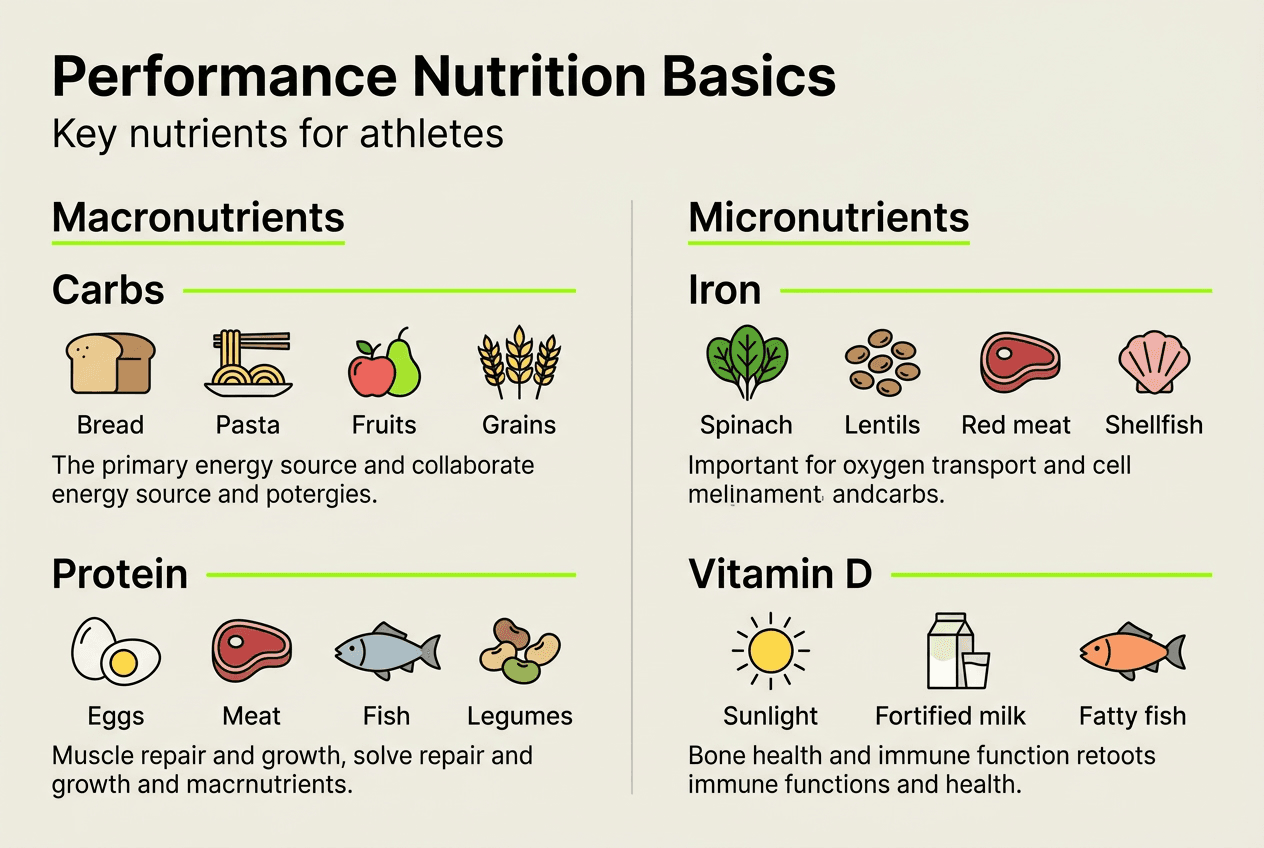
Before you lace up your trainers or step into the gym, your body needs the right fuel mix to perform at its best. Carbohydrates serve as your primary energy source, especially during high intensity activities. Proteins rebuild and repair muscle tissue after exertion. Fats provide sustained energy for longer, lower intensity sessions and support hormone production. Getting these macronutrients balanced correctly sets the foundation for every training session.
Athletes engaged in endurance sports typically require higher carbohydrate intake, around 55 to 65 per cent of total calories, to maintain glycogen stores. Strength athletes benefit from elevated protein consumption, approximately 1.6 to 2.2 grammes per kilogramme of body weight daily, to support muscle growth and repair. Fats should constitute 20 to 35 per cent of your diet, focusing on sources like nuts, avocados, and oily fish. Understanding your sport’s demands helps you tailor these ratios precisely.
Hydration deserves equal attention. Even mild dehydration impairs performance, reducing strength, power, and endurance. You should consume fluids consistently throughout the day, not just during workouts. Monitoring urine colour offers a simple gauge: pale yellow indicates adequate hydration, whilst dark amber signals you need more fluids. For sessions exceeding 60 minutes or in hot conditions, electrolyte replacement becomes essential to maintain sodium, potassium, and magnesium balance.
| Sport intensity | Carbohydrates (% calories) | Protein (g/kg body weight) | Fat (% calories) |
|---|---|---|---|
| Low to moderate | 45 to 55 | 1.2 to 1.6 | 25 to 35 |
| Moderate to high | 55 to 65 | 1.6 to 2.0 | 20 to 30 |
| High intensity/strength | 50 to 60 | 1.8 to 2.2 | 20 to 25 |
Key micronutrients also play vital roles in athletic performance. Iron supports oxygen transport to muscles, particularly important for endurance athletes. Calcium and vitamin D maintain bone health and muscle function. B vitamins facilitate energy metabolism from macronutrients. Magnesium aids muscle contraction and relaxation. Zinc supports immune function and protein synthesis. Monitoring these through regular blood tests ensures you avoid deficiencies that silently undermine progress.
Pro tip: Time your carbohydrate intake around training sessions for maximum energy availability. Consume a carbohydrate rich meal or snack 2 to 3 hours before exercise to top up glycogen stores, then refuel within 30 minutes post workout to accelerate recovery and replenish depleted reserves.
For comprehensive guidance on establishing these nutritional foundations, explore detailed resources on sports nutrition basics that break down macronutrient planning and hydration protocols tailored to various athletic goals.
How to effectively fuel your performance through diet planning
Once you understand nutritional requirements, translating knowledge into practical meal planning becomes your next priority. Strategic meal timing and nutrient choices improve endurance and speed recovery after workouts, transforming average sessions into performance breakthroughs. Pre exercise nutrition focuses on providing readily available energy without causing digestive discomfort. Post exercise meals prioritise muscle repair and glycogen restoration.
Carbohydrates before training supply the glucose your muscles need for intense efforts. Aim for easily digestible options like oatmeal, bananas, or rice cakes 60 to 90 minutes before activity. Avoid high fibre or fatty foods close to training, as these slow digestion and may cause cramping. A small amount of protein, perhaps 10 to 20 grammes, can reduce muscle breakdown during the session without compromising energy availability.
After training, protein intake becomes paramount for muscle repair. Consuming 20 to 40 grammes of high quality protein within the first hour post workout maximises muscle protein synthesis. Pair this with carbohydrates in a 3:1 or 4:1 carb to protein ratio to replenish glycogen stores efficiently. Greek yoghurt with fruit, chicken with rice, or a protein shake with a banana exemplify effective post workout meals.

Ideal pre workout snacks include wholegrain toast with honey, a small bowl of porridge, or a banana with a tablespoon of nut butter. During extended sessions lasting over 90 minutes, consider quick energy sources like energy gels, dried fruit, or sports drinks providing 30 to 60 grammes of carbohydrates per hour. Post workout options might feature salmon with sweet potato, eggs on wholegrain bread, or cottage cheese with berries.
Creating a personalised meal plan follows these steps:
- Calculate your daily calorie needs based on activity level and performance goals.
- Determine macronutrient targets using sport specific ratios discussed earlier.
- Plan three main meals and two to three snacks distributed throughout the day.
- Schedule pre and post workout nutrition around training times.
- Prepare meals in advance to ensure consistency and avoid poor food choices.
- Track intake for one week to verify you meet targets, then adjust as needed.
Pro tip: Adjust portion sizes based on training intensity and sport demands. On heavy training days, increase carbohydrate portions by 20 to 30 per cent. During rest or light activity days, reduce carbs slightly whilst maintaining protein intake to support recovery.
Hydration during sessions requires deliberate attention. Drink 400 to 600 millilitres of water 2 to 3 hours before exercise, then 200 to 300 millilitres every 15 to 20 minutes during activity. For sessions exceeding one hour or in hot environments, switch to beverages containing electrolytes to replace sodium lost through sweat. Post exercise, consume 150 per cent of fluid lost through sweat to fully rehydrate. Weighing yourself before and after training provides an accurate measure of fluid loss.
For further insights on optimising your nutritional approach, review comprehensive guides on how to fuel athletic performance naturally that detail meal timing strategies and nutrient selection for various sports disciplines.
Supplements that enhance performance and aid recovery
Whilst whole foods form the cornerstone of athletic nutrition, supplements offer targeted support to elevate performance and accelerate recovery when diet alone cannot meet demands. Certain supplements like creatine and branched chain amino acids help boost athletic output and speed recovery when used correctly. Understanding which supplements align with your goals and how to time them maximises their effectiveness.
Creatine monohydrate stands as one of the most researched and effective supplements for power and strength athletes. It increases phosphocreatine stores in muscles, enabling rapid ATP regeneration during high intensity efforts. Typical dosing involves 3 to 5 grammes daily, taken consistently regardless of training schedule. Benefits include improved sprint performance, increased strength gains, and enhanced muscle mass over time.
Branched chain amino acids, particularly leucine, isoleucine, and valine, reduce muscle breakdown during training and stimulate protein synthesis afterwards. Consuming 5 to 10 grammes before or during prolonged sessions preserves muscle tissue and delays fatigue. BCAA supplementation proves especially valuable during calorie restricted periods or early morning fasted training.
Beta alanine buffers lactic acid accumulation in muscles, delaying the burning sensation that limits high intensity performance. A daily dose of 3 to 6 grammes, split into smaller servings to minimise tingling sensations, increases muscle carnosine levels over 4 to 6 weeks. This translates to improved performance in activities lasting 60 seconds to 4 minutes, such as middle distance running or repeated sprint efforts.
| Supplement type | Primary benefit | Optimal timing | Typical dose |
|---|---|---|---|
| Creatine monohydrate | Increases power and strength output | Anytime daily, consistently | 3 to 5 g/day |
| Branched chain amino acids | Reduces muscle breakdown, delays fatigue | Before or during training | 5 to 10 g/session |
| Beta alanine | Buffers lactic acid, extends high intensity capacity | Split throughout day | 3 to 6 g/day |
| Caffeine | Enhances focus, reduces perceived exertion | 30 to 60 min pre workout | 3 to 6 mg/kg body weight |
| Whey protein | Supports muscle repair and growth | Post workout or between meals | 20 to 40 g/serving |
Caffeine improves focus, alertness, and reduces perceived exertion during exercise. Consuming 3 to 6 milligrammes per kilogramme of body weight 30 to 60 minutes before training enhances endurance performance and power output. Individual tolerance varies, so start with lower doses and avoid late day consumption that might disrupt sleep.
Whey protein offers a convenient, rapidly absorbed protein source ideal for post workout recovery. Its high leucine content triggers muscle protein synthesis effectively. Whilst whole food protein sources work equally well, whey provides portability and quick preparation when time or appetite constraints exist.
Choosing supplements based on individual goals requires matching benefits to your sport’s demands. Endurance athletes prioritise caffeine, beta alanine, and electrolyte formulations. Strength and power athletes benefit most from creatine, whey protein, and BCAAs. Team sport athletes often combine several supplements to address both power and endurance components.
Pro tip: Prioritise quality and third party tested brands to ensure purity, accurate labelling, and absence of banned substances. Look for certifications from organisations like Informed Sport or NSF Certified for Sport, particularly if you compete in tested events.
Key warnings about supplement use include:
- Avoid exceeding recommended doses, as more does not equal better results and may cause side effects.
- Time caffeine intake carefully to prevent sleep disruption, which undermines recovery.
- Do not rely on supplements to compensate for poor dietary habits or inadequate sleep.
- Consult healthcare professionals before starting new supplements, especially if you have medical conditions or take medications.
- Recognise that supplements complement, not replace, proper nutrition and training.
For detailed guidance on selecting appropriate supplements for your athletic needs, explore expert resources on vitamins for athletes that evaluate various options and their evidence based applications.
Monitoring progress and adjusting your nutrition strategy
Implementing nutrition and supplementation strategies represents only the starting point. Tracking performance metrics and adjusting nutrition consistently leads to sustainable athletic improvements, transforming initial gains into long term progress. Systematic monitoring reveals what works for your unique physiology and training demands, whilst identifying areas needing refinement.
Measuring improvements combines objective data with subjective feedback. Objective methods include tracking workout performance metrics like weight lifted, sprint times, distance covered, or repetitions completed. Body composition assessments through skinfold measurements or bioelectrical impedance reveal changes in muscle mass and body fat percentage. Resting heart rate trends indicate cardiovascular adaptations and recovery status.
Subjective indicators matter equally. Rate your energy levels throughout the day and during training on a simple 1 to 10 scale. Monitor sleep quality, as poor rest often signals inadequate nutrition or overtraining. Assess muscle soreness duration and intensity after similar workouts over time. Note mood and motivation changes, which reflect overall wellbeing and nutritional adequacy.
Follow these steps to implement effective progress monitoring:
- Establish baseline measurements before changing your nutrition approach, including performance benchmarks, body composition, and subjective ratings.
- Record all food intake, supplement use, and training sessions in a detailed log or app for at least two weeks.
- Reassess objective and subjective measures every 4 to 6 weeks using identical testing protocols.
- Compare current data against baselines to identify trends and correlations between nutrition changes and performance shifts.
- Make small, targeted adjustments based on findings rather than overhauling your entire approach.
- Allow 4 to 6 weeks for each adjustment to take effect before making further changes.
Recording diet, supplement use, and training outcomes creates a comprehensive picture of your athletic journey. Digital apps simplify this process, automatically calculating macronutrient totals and identifying patterns. Include details like meal timing relative to training, hydration volume, supplement doses and timing, workout intensity and duration, and recovery quality. This data reveals connections you might otherwise miss, such as poor performance following inadequate pre workout carbohydrate intake.
Common mistakes in nutrition adjustments include:
- Making multiple changes simultaneously, which prevents identifying which modification drove results.
- Reacting to single bad performances rather than observing trends over several weeks.
- Copying elite athletes’ nutrition plans without considering individual needs and training volumes.
- Neglecting hydration monitoring whilst focusing solely on macronutrients and supplements.
- Ignoring recovery markers like sleep quality and resting heart rate when evaluating nutrition effectiveness.
- Expecting immediate results, when physiological adaptations require consistent implementation over weeks or months.
Periodic reassessment every 8 to 12 weeks ensures your nutrition strategy evolves with changing training demands, performance goals, and life circumstances. Major training phase transitions, such as moving from base building to competition preparation, warrant nutritional adjustments. Consulting sports nutritionists or dietitians provides expert analysis of your data and personalised recommendations that accelerate progress beyond self directed efforts.
For comprehensive understanding of how proper hydration monitoring fits into your overall performance tracking, review detailed information on the importance of hydration for athletes and its measurable impact on athletic output.
Explore expert supplements and nutrition advice at MyGymSupplements
Now that you understand how strategic nutrition and supplementation unlock athletic performance, finding reliable sources for quality products and ongoing education becomes essential. MyGymSupplements serves as your trusted partner, offering a comprehensive selection of performance enhancing supplements backed by scientific research and third party testing. From creatine and BCAAs to whey protein and pre workout formulations, every product supports your journey towards peak athletic achievement.
Beyond products, MyGymSupplements provides extensive educational resources through detailed blog content covering sports nutrition fundamentals, hydration strategies, and supplement selection guides. This knowledge empowers you to make informed decisions aligned with your specific goals and training demands. Convenient online shopping, expert customer support, and fast delivery ensure you maintain consistency in your supplementation regimen without interruption. Whether you are breaking through a performance plateau or pursuing new personal bests, MyGymSupplements equips you with the tools and knowledge to succeed.
How to boost athletic performance FAQ
What are the best natural supplements to enhance endurance?
Beta alanine and caffeine stand out as highly effective natural supplements for endurance athletes. Beta alanine buffers lactic acid accumulation, extending high intensity capacity, whilst caffeine reduces perceived exertion and improves focus during prolonged efforts.
How important is meal timing for strength training?
Meal timing significantly impacts strength training outcomes by optimising energy availability and muscle recovery. Consuming protein and carbohydrates within one hour post workout maximises muscle protein synthesis and glycogen replenishment, accelerating strength gains and reducing soreness.
Can hydration alone significantly affect athletic results?
Yes, proper hydration profoundly influences athletic performance, as even 2 per cent body weight loss through dehydration impairs strength, power, and endurance. Maintaining optimal fluid balance supports cardiovascular function, thermoregulation, and muscle contraction efficiency throughout training and competition.
How often should I reassess my nutrition plan?
Reassess your nutrition strategy every 8 to 12 weeks or when transitioning between major training phases. This frequency allows sufficient time for adaptations to occur whilst preventing prolonged continuation of ineffective approaches that hinder progress.
What signs indicate a supplement is not working for me?
Lack of measurable performance improvements after 6 to 8 weeks of consistent use, persistent digestive discomfort, or worsening recovery markers suggest a supplement may not suit your physiology. Discontinue use and consult a sports nutritionist to explore alternative options better aligned with your individual needs.
Recommended
- How to Fuel Athletic Performance for Peak Results – MyGymSupplements
- How to Improve Workout Performance Naturally for Gains – MyGymSupplements
- How to Select Vitamins for Athletes for Peak Results – MyGymSupplements
- Guide to Sports Nutrition Basics for Optimal Results – MyGymSupplements
- How to Enhance Athletic Focus Naturally for Intense Training – Interval

0 comments