

Many british fitness enthusiasts and bodybuilders are surprised to learn that DHEA is officially banned for professional sports in the United Kingdom, despite its rising popularity in health circles. With DHEA levels naturally falling after your twenties, questions about supplementation have become common among those seeking an edge. This guide explains the science behind DHEA, demystifies UK regulations, and highlights safe strategies for anyone considering adding it to their performance routine.
Table of Contents
- What Is DHEA Supplementation? Key Facts
- Forms Of DHEA And Typical Uses
- How DHEA Works In The Body
- Legal Status Of DHEA In The United Kingdom
- Potential Benefits And Performance Outcomes
- Risks, Safety Concerns, And Alternatives
Key Takeaways
| Point | Details |
|---|---|
| DHEA’s Role | DHEA is a steroid hormone that is essential for the production of testosterone and oestrogen, with levels peaking in early adulthood before declining with age. |
| Supplement Forms | DHEA supplements are available in various forms such as tablets, creams, and powders, each with specific administration methods suited to individual preferences. |
| Potential Benefits | DHEA supplementation may improve mood, support muscle strength, and aid in fertility but evidence remains inconsistent and requires cautious interpretation. |
| Cautions and Risks | Users should be aware of potential side effects including hormonal imbalances and should consult a healthcare professional prior to starting supplementation to understand personal risks. |
What Is DHEA Supplementation? Key Facts
DHEA (dehydroepiandrosterone) is a remarkable steroid hormone naturally produced by the human adrenal glands, serving as a critical precursor to key sex hormones like testosterone and oestrogen. Uniquely prominent in human biochemistry, this hormone plays a significant role in physiological processes and wellness.
As a naturally occurring hormone, DHEA levels peak during an individual’s third decade of life before gradually declining with age. Unlike most hormonal compounds, DHEA supplementation involves synthetic versions designed to mitigate age-related hormonal reductions. These supplements aim to potentially restore youthful hormone levels and support overall metabolic function.
Research suggests DHEA may offer several potential benefits, including:
- Potential improvements in mood and mental well-being
- Supporting muscle strength and physical performance
- Potential immune system stimulation
- Possible anti-aging mechanisms
However, scientific evidence remains mixed, and the supplementation landscape is complex. Sports organisations currently prohibit DHEA due to its classification as a prohormone, which means athletes must exercise caution and thoroughly understand regulatory restrictions.
Pro tip: Always consult a healthcare professional before starting any hormonal supplement regimen to understand individual risks and potential interactions with existing health conditions.
Forms Of DHEA And Typical Uses
DHEA supplements come in multiple forms, offering individuals diverse options for administration and absorption. Synthetic versions are available in various formats, including tablets, capsules, powders, topical creams, and transdermal gels, each designed to suit different physiological needs and personal preferences.
Topical applications like creams and gels are particularly interesting, potentially offering benefits beyond hormonal regulation. These formats may improve skin hydration while delivering hormonal precursors through dermal absorption. Oral supplements remain the most common method, with dosages typically ranging between 25-50mg per day, though individual requirements can vary significantly.
DHEA supplementation finds application across several health domains:
- Fertility support, especially for women with diminished ovarian reserve
- Potential mood and mental well-being enhancement
- Supporting hormonal balance during menopausal transitions
- Preliminary investigations into anti-aging mechanisms
However, users must exercise caution. Side effects can include mild hormonal fluctuations, and potential testosterone-related symptoms might emerge with prolonged usage. Professional medical guidance remains crucial when considering DHEA supplementation.
Pro tip: Consult an endocrinology specialist to determine the most appropriate DHEA supplement form and dosage tailored to your specific physiological requirements.
Here is a summary comparing different forms of DHEA supplements and their unique characteristics:
| Form of DHEA | Absorption Method | Notable Features | Suitability |
|---|---|---|---|
| Oral tablet/capsule | Gastrointestinal | Most common, standardised doses | General use |
| Topical cream/gel | Dermal | May benefit skin hydration | Targeted, local effects |
| Powder | Gastrointestinal | Flexible dosing, less common | Custom supplementation |
| Transdermal patch | Skin absorption | Continuous release, less used | Long-term strategies |
How DHEA Works In The Body
DHEA is a remarkable endogenous steroid hormone with a complex physiological role, primarily produced in the adrenal glands, gonads, and brain. As a critical metabolic intermediate, this hormone serves as a fundamental precursor in the biosynthesis of both androgens and oestrogens, enabling intricate hormonal transformations within the human body.
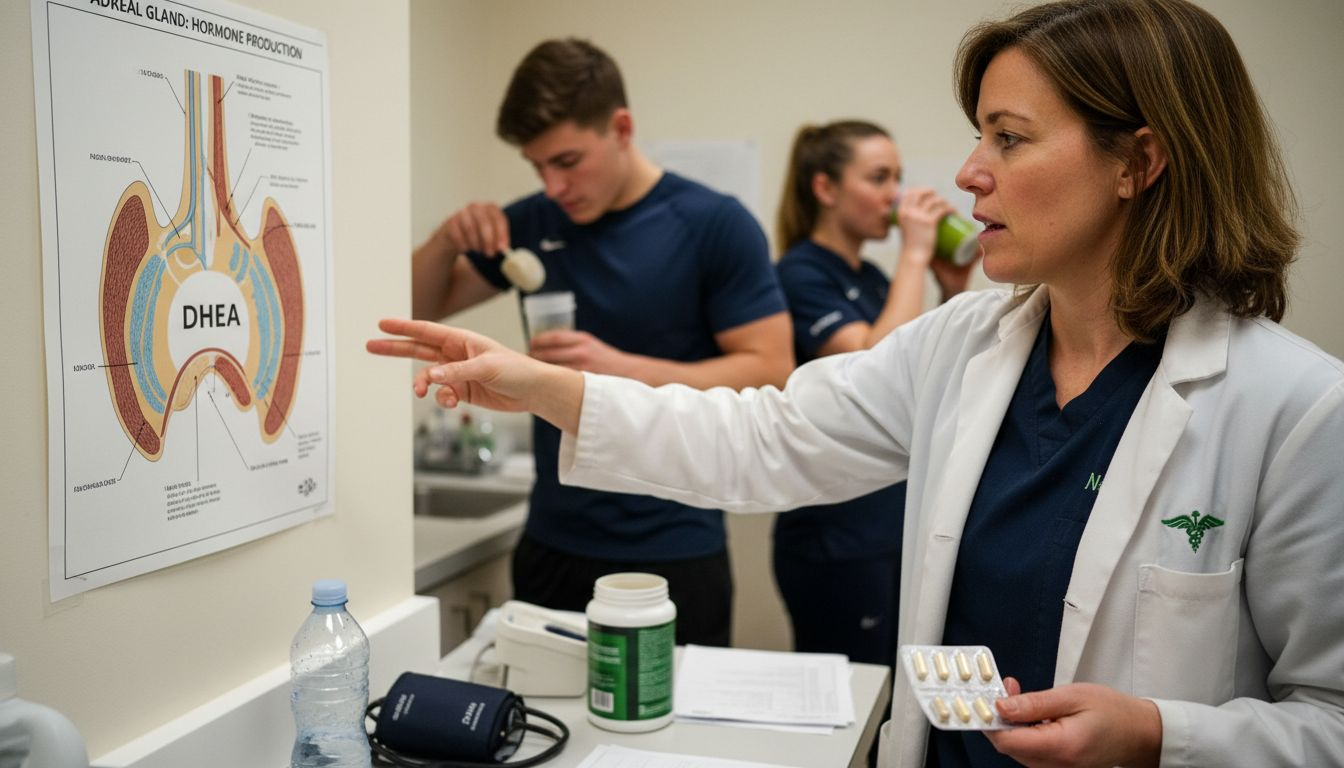
The metabolic pathway of DHEA involves nuanced hormonal interactions that influence multiple bodily systems. When introduced into the body, DHEA can be converted into testosterone and oestrogen, exerting subtle yet significant effects on body composition, cognitive function, and overall metabolic processes. Dosages typically range between 25-200 mg per day, with higher doses potentially increasing testosterone levels while simultaneously elevating oestrogen.
The hormone’s mechanism of action is multifaceted:
- Acts as a precursor to sex hormones
- Demonstrates weak direct hormonal effects
- Influences neurosteroid functions
- Contributes to tissue-specific hormonal transformations
Notably, DHEA’s unique ability to interact with various receptors means its impact extends beyond simple hormonal conversion. It can directly affect neurological processes, potentially influencing mood, cognitive function, and metabolic regulation.
Pro tip: Consult an endocrinology specialist to understand your individual hormonal profile and determine whether DHEA supplementation might be appropriate for your specific physiological needs.
Legal Status Of DHEA In The United Kingdom
DHEA supplements occupy a complex legal landscape in the United Kingdom, existing in a regulatory grey area that requires careful navigation. The supplement is not classified as an illegal substance, but it is critically important to understand its nuanced legal restrictions and potential implications for users.
Regulatory frameworks surrounding DHEA in the UK are notably stringent, with several key considerations for potential users. The supplement is not approved as a licensed medication, which means its sale and distribution are subject to specific limitations. Importantly, professional sports organisations have implemented comprehensive bans on DHEA due to its classification as a prohormone and potential performance-enhancing characteristics.
Key legal considerations for DHEA in the United Kingdom include:
- Not classified as an illegal substance
- Not approved as a licensed medication
- Banned in competitive and professional sports
- Unregulated in terms of supplement purity and dosage
- Potential restrictions on medical claims
Consumers must exercise significant caution, recognising that while DHEA can be legally purchased, its use comes with substantial regulatory and potential health implications. The absence of standardised medical approval means users bear responsibility for understanding potential risks and consulting healthcare professionals before supplementation.
Pro tip: Always verify the current legal status and consult with a healthcare professional before purchasing or consuming DHEA supplements in the United Kingdom.
Potential Benefits And Performance Outcomes
DHEA supplementation presents a complex landscape of potential physiological benefits, with research indicating nuanced outcomes across various health domains. Studies suggest modest improvements in body composition and skin health, particularly among older adults, though scientific consensus remains cautiously reserved.
In the realm of fertility treatments, DHEA demonstrates more pronounced potential benefits, particularly for women experiencing diminished ovarian reserve. Specific performance outcomes include:
- Increased egg production during fertility treatments
- Enhanced embryo quality
- Improved pregnancy and live birth rates
- Potential reduction in miscarriage risks
- Minor improvements in body composition
Beyond fertility, the scientific community remains sceptical about widespread performance enhancement claims. While some studies hint at potential mood improvements and marginal gains in physical attributes, the evidence base remains inconsistent. Skin hydration, collagen production, and minor reductions in fat mass represent the most credibly documented physiological changes associated with DHEA supplementation.
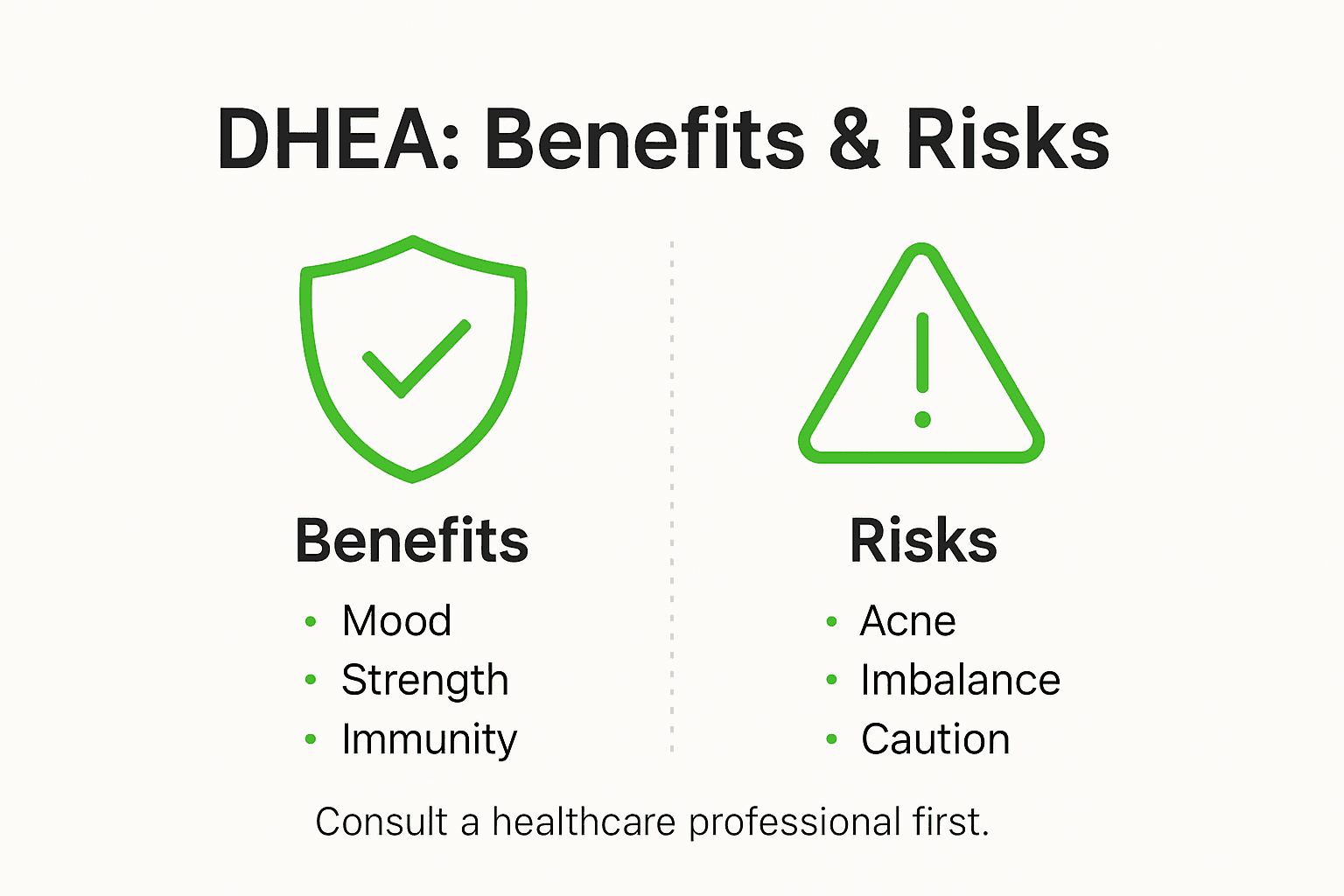
Moreover, cognitive function and longevity benefits remain largely speculative. Researchers emphasise the necessity for more comprehensive, longitudinal studies to definitively establish DHEA’s broader performance and health implications.
Pro tip: Consult a healthcare professional to understand how DHEA might specifically interact with your individual physiological profile and health objectives.
Risks, Safety Concerns, And Alternatives
DHEA supplementation introduces complex physiological risks that demand careful consideration and professional medical guidance. The potential side effects range from mild to significantly consequential, including hormonal disruptions that could impact overall health and well-being.
Comprehensive safety assessments reveal multiple potential adverse outcomes, which individuals must carefully evaluate before initiating supplementation. Specific risks include:
- Androgenic side effects like acne and hair loss
- Potential increased risk of hormone-sensitive cancers
- Hormonal imbalances
- Possible hypertension
- Unpredictable drug interactions
Certain populations face heightened risks and should categorically avoid DHEA supplementation, including:
- Pregnant or breastfeeding women
- Individuals with existing hormone-sensitive cancers
- People with pre-existing hormonal disorders
- Those undergoing active medical treatments
Alternative approaches to addressing potential hormonal or performance concerns might include lifestyle modifications, conventional hormone therapies, targeted nutritional interventions, and comprehensive medical consultations. These alternatives offer more predictable and medically supervised paths to achieving health objectives.
Pro tip: Always undergo comprehensive medical screening and hormonal profiling before considering DHEA supplementation, ensuring a personalised and safe approach to potential hormonal interventions.
This table provides an overview of key safety concerns and recommended precautions for DHEA users:
| Risk Factor | Associated Concern | Recommended Action |
|---|---|---|
| Unregulated formulations | Variable purity and strength | Choose reputable suppliers |
| Potential hormonal imbalances | Impact on testosterone/oestrogen | Regular hormonal monitoring |
| Drug interactions | May alter effects of other medicines | Discuss all medications with doctor |
| Long-term safety unknown | Lack of robust outcome data | Limit duration and dosage |
Discover Safe and Effective Supplement Options for Your Health Goals
Considering the complexities and legal aspects of DHEA supplementation discussed in the article, it is clear that navigating hormone-related supplements requires caution and expert guidance. Whether you are aiming to support hormonal balance during ageing, improve your physical performance, or enhance overall wellbeing, understanding your personalised needs is essential. Common challenges like ensuring product purity, avoiding unwanted hormonal side effects, and complying with UK regulations highlight the importance of choosing trustworthy supplements tailored for safety and efficacy.
MyGymSupplements.shop offers a thoughtfully curated range of health and wellbeing products including vitamins, minerals, and performance recovery aids that can help you achieve your fitness and health objectives without the risks associated with prohormones like DHEA.
Explore high-quality supplements designed with your safety and goals in mind at MyGymSupplements.shop today. Take control of your health journey by choosing trusted products that align with expert recommendations and legal standards. Visit our site now to discover products that support your path to better performance, recovery, and wellbeing.
Frequently Asked Questions
What is DHEA supplementation and how does it work?
DHEA supplementation involves taking synthetic forms of the hormone dehydroepiandrosterone, which is produced by the adrenal glands. DHEA acts as a precursor to key sex hormones like testosterone and oestrogen, potentially influencing mood, body composition, and metabolic function.
What are the potential benefits of taking DHEA?
Research suggests that DHEA may offer several benefits, including improvements in mood, muscle strength, immune system support, fertility enhancement, and possible anti-aging effects. However, results can vary, and scientific consensus on its effectiveness remains mixed.
Are there any risks associated with DHEA supplementation?
Yes, DHEA supplementation can introduce risks such as hormonal imbalances, androgenic side effects like acne and hair loss, and possible interactions with medications. It is essential to consult a healthcare professional before starting supplementation to evaluate these risks.
What forms of DHEA supplements are available, and how do they differ?
DHEA supplements come in various forms, including oral tablets, topical creams, powders, and transdermal patches. Oral supplements are the most common, while topical applications may offer additional skin benefits. Dosage and absorption methods vary among these forms, making individual preferences and needs important for selection.

0 comments