

Over half of british gym-goers turn to protein supplements every year, yet many struggle to see the muscle gains they expect. Knowing exactly how to select, measure, mix, and time your protein intake can make the difference between stalled progress and a stronger, faster recovery. This step by step guide delivers focused advice to help british bodybuilders and fitness enthusiasts maximize every workout with smarter protein powder strategies.
Table of Contents
- Step 1: Select The Right Protein Powder
- Step 2: Measure The Appropriate Serving Size
- Step 3: Mix Protein Powder For Smooth Consistency
- Step 4: Consume At The Ideal Time For Your Goals
- Step 5: Evaluate Results And Adjust Your Routine
Quick Summary
| Key Message | Explanation |
|---|---|
| 1. Identify your fitness goals | Understanding whether you aim to build muscle, lose weight, or enhance recovery is crucial for choosing the right protein powder. |
| 2. Measure accurate serving sizes | Use a kitchen scale and follow recommended servings to ensure you meet your daily protein requirements effectively. |
| 3. Mix for smooth consistency | Following proper mixing techniques will prevent clumps and ensure a pleasant drinking experience with your protein shake. |
| 4. Time your protein intake wisely | Consuming protein post-workout or throughout the day can significantly influence muscle recovery and overall fitness outcomes. |
| 5. Evaluate and adjust your progress | Regularly tracking body metrics and adjusting your routine will help you understand the effectiveness of your protein supplementation. |
Step 1: Select the right protein powder
Choosing the perfect protein powder requires understanding your unique fitness goals and body requirements. Protein supplements come in multiple varieties, each designed to support different nutritional needs and performance objectives.
Your selection process should start by identifying your primary fitness goal. Are you looking to build muscle mass, support weight loss, enhance recovery, or simply improve overall nutrition? Protein powders serve different purposes ranging from muscle building to general wellness. For muscle gain, whey protein concentrate and isolate are typically most effective. Lactose intolerant individuals might prefer whey protein isolates which contain over 90% protein and are more easily digestible.
Consider these key factors when selecting your protein powder:- Protein type (whey, casein, plant-based)- Protein concentration- Dietary restrictions- Taste preferences- Additional nutritional requirements
Top tip: Always read the ingredient list carefully and select a protein powder that aligns with your specific health and fitness objectives.
Here is a comparison of popular protein powder types and their main attributes:
| Protein Type | Best For | Digestibility | Typical Protein Content |
|---|---|---|---|
| Whey Isolate | Rapid muscle recovery | High, low lactose | 90% or more |
| Whey Concentrate | Building muscle mass | Moderate, some dairy | 70–80% |
| Casein | Overnight muscle support | Slow digestion | 80–90% |
| Plant-Based | Vegan or lactose-free diets | Variable | 50–80% |
| Egg White | Balanced amino acid profile | Easy, dairy free | 80–85% |
Step 2: Measure the appropriate serving size
Precise protein powder measurement is crucial for achieving your nutritional goals and maintaining optimal performance. Understanding how to calculate the right serving will help you maximise your supplement’s potential and support your fitness journey.
Most protein supplements are designed with standardised serving recommendations that provide between 20 to 30 grams of protein per portion. However protein needs vary significantly based on individual factors such as body weight, activity level, and specific fitness objectives. Athletes and individuals engaged in intense training typically require higher protein intake compared to sedentary individuals. Protein serving guidance emphasises balancing protein consumption with overall calorie needs and selecting supplements with complete amino acid profiles.
To measure your serving accurately:- Use the provided scoop in your protein powder container- Follow manufacturer’s recommended serving size- Consider your body weight and fitness goals- Adjust serving based on your daily protein requirements- Weigh portions using a kitchen scale for precision
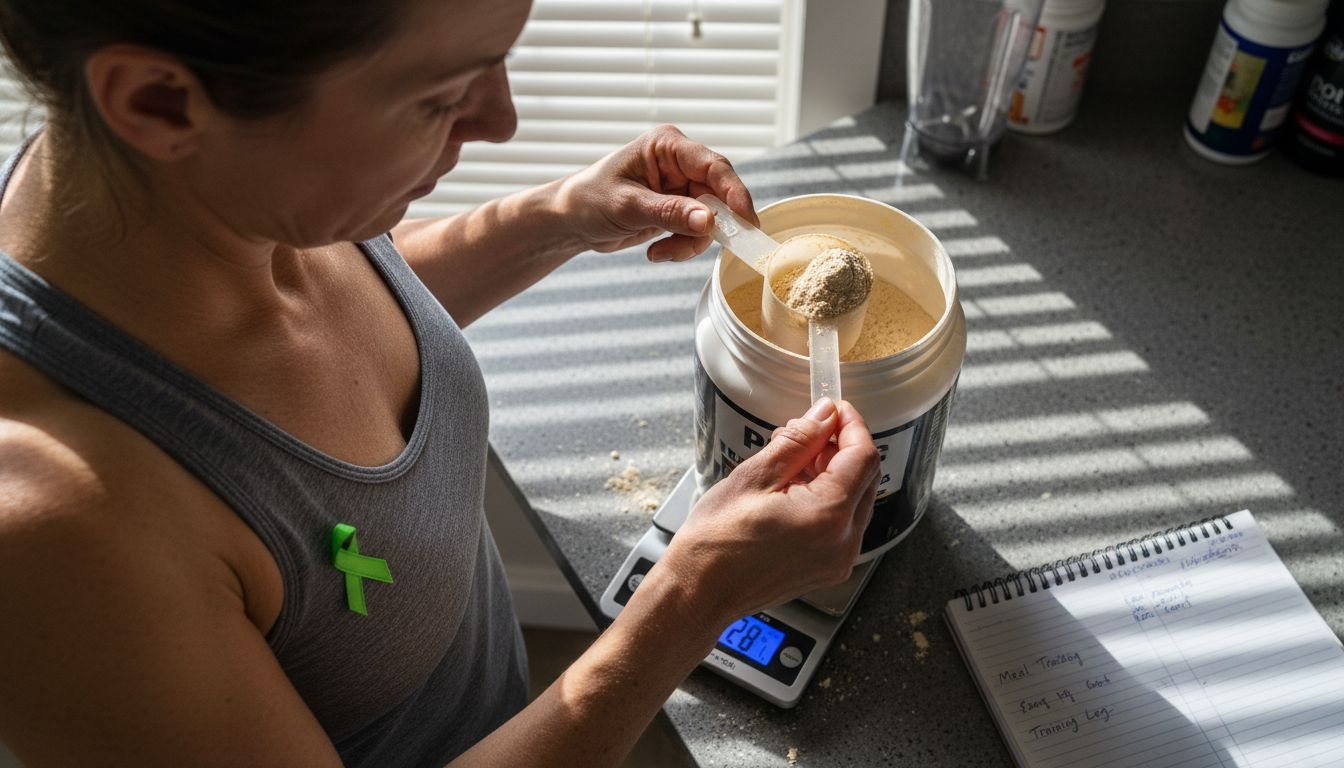
Top tip: Invest in a digital kitchen scale to ensure consistent and accurate protein powder measurements for optimal nutritional intake.
Step 3: Mix protein powder for smooth consistency
Achieving the perfect protein shake requires more than just throwing powder and liquid together. Mastering the art of mixing will ensure you get a smooth texture without clumps that can ruin your drinking experience.
Protein powder mixing techniques vary depending on the type of protein you are using. Whey proteins typically dissolve more easily compared to plant based alternatives. For best results, start by adding your protein powder to a clean shaker bottle or blender, then pour in your liquid of choice cold water or milk works best. Use these recommended mixing methods:- Add liquid first to prevent powder from sticking to bottom of container- Use a shaker bottle with a mixing ball for thorough blending- Blend for 20 to 30 seconds to ensure complete dissolution- Start with smaller amounts of liquid and gradually increase- Avoid using hot liquids which can denature protein structures
If you encounter stubborn clumps, try these additional techniques. Use a wire whisk or electric blender to break down powder particles. For plant based proteins that are more challenging to mix, whey protein processing methods suggest adding liquid incrementally and stirring consistently to improve solubility.
Top tip: Invest in a high quality blender or shaker bottle with a robust mixing mechanism to guarantee a consistently smooth protein shake every time.
Step 4: Consume at the ideal time for your goals
Optimising protein intake is more nuanced than simply drinking a shake whenever convenient. Understanding protein consumption timing strategies can significantly impact your fitness and recovery outcomes.
Post workout consumption is critical for muscle recovery. The body enters an anabolic state immediately after exercise where protein can be most effectively utilised for muscle repair and growth. Aim to consume your protein shake within 30 to 60 minutes after completing your training session. For those focused on weight loss or muscle preservation, protein intake helps maintain lean muscle mass and promotes satiety. Protein intake recommendations suggest consuming approximately 1.6 to 2.2 grams of protein per kilogram of body weight daily distributed across meals.
Consider these strategic protein consumption approaches:- Consume fast absorbing proteins like whey immediately post workout- Distribute protein intake evenly throughout the day- Include protein rich snacks between main meals- Select protein sources based on your specific fitness objectives- Adjust timing according to your training schedule and personal metabolism
Top tip: Keep a protein shake prepared in your gym bag to ensure you can consume it immediately after your workout for optimal muscle recovery.
This summary highlights when to consume protein for various fitness goals:
| Goal | Optimal Timing | Rationale |
|---|---|---|
| Muscle Gain | Within 60 min post-workout | Supports muscle repair |
| Weight Loss | With meals and snacks | Enhances satiety, curbs hunger |
| Recovery | Immediately post-exercise | Promotes faster recovery |
| General Wellness | Evenly throughout day | Sustains metabolism and energy |
Step 5: Evaluate results and adjust your routine
Tracking your protein powder journey requires careful observation and strategic adjustments to ensure you are achieving your fitness objectives effectively. Protein intake assessment strategies are crucial for understanding how your body responds to supplementation.
To evaluate your protein powder results effectively, monitor key indicators such as muscle mass, strength gains, recovery speed, and overall body composition. Consider tracking measurements like body weight, muscle circumference, strength progression in your workouts, and subjective factors like energy levels and recovery time. Protein intake recommendations suggest adapting your approach based on age, activity level, and individual physiological responses.
Key evaluation methods include:- Take body measurements every 4 weeks- Record workout performance and strength progressions- Note changes in muscle definition and recovery time- Assess energy levels and overall wellbeing- Consult fitness professionals for personalised insights
Top tip: Use a dedicated fitness tracking app or journal to systematically record your protein intake and physical changes for more accurate long term assessment.
Unlock Your Full Potential with the Right Protein Supplements
Mastering protein powder use requires careful selection, precise measurement, and perfect timing to support your unique fitness goals. Whether your aim is muscle gain, recovery, or weight management, the journey can be challenging without the right tools and products. This article highlights key concepts like protein types, serving sizes, mixing techniques, and optimal consumption windows, making it clear that having access to quality supplements tailored to your needs is essential.
Take control of your progress by exploring the extensive range at MyGymSupplements.shop. Here you will find top-quality proteins including whey, casein, and plant-based options alongside recovery aids and performance enhancers designed to streamline your routine. Act now to enjoy expert-curated selections that fit your goals and guarantee smooth mixing and effective nutrition. Visit MyGymSupplements.shop today and start elevating your fitness journey with trusted products backed by clear guidance and real results.
Frequently Asked Questions
How do I choose the right protein powder for my fitness goals?
To choose the right protein powder, identify your primary fitness goal, whether it’s building muscle, supporting weight loss, enhancing recovery, or improving overall nutrition. Review protein types and their specific benefits, then select a powder that aligns with your objectives and dietary needs.
What is the correct serving size of protein powder I should take?
The recommended serving size for protein powder typically ranges from 20 to 30 grams per portion. To find the right serving, consider your weight and activity level, and adjust based on your daily protein requirements.
How can I mix protein powder effectively for a smooth shake?
To achieve a smooth consistency, add the liquid first and then the protein powder in a shaker bottle or blender. Blend for 20 to 30 seconds, and if necessary, use a whisk or electric blender to eliminate clumps.
When is the best time to consume protein powder for maximum benefit?
The ideal time to consume protein powder is within 30 to 60 minutes after a workout for optimal muscle recovery. Distributing protein intake evenly throughout the day can also support overall fitness goals and metabolic health.
How can I evaluate the effectiveness of my protein powder usage?
To assess the effectiveness of your protein powder, monitor your muscle mass, strength gains, recovery speed, and overall body composition. Take measurements and note your energy levels every four weeks to track progress.
What adjustments should I make if I’m not seeing results with my protein powder?
If you’re not seeing results, consider adjusting your serving size, timing of consumption, or the type of protein powder you are using. Additionally, assess your overall diet and exercise regimen to ensure they align with your fitness goals.
Recommended
- Optimum Nutrition Protein Shake Benefits and Key Features – MyGymSupplements
- Discover Optimum Nutrition Protein Shake Benefits Quickly – MyGymSupplements
- Step-by-Step Guide to Pre-Workout Usage for Results – MyGymSupplements
- 7 Essential Types of Protein Supplements Explained – MyGymSupplements
- Best Protein Treatment for Natural Hair in 2025: Growth & Care | MyHair

0 comments