

Most British athletes overlook a simple but powerful fact: nearly 80 percent of UK adults consume less fibre than nationally recommended. For bodybuilders and fitness enthusiasts, skimping on dietary fibre means missing out on improved muscle recovery and smoother digestion. Boosting your fibre intake can support everything from gut health to blood sugar stability. This guide cuts through fibre myths to reveal practical, science-backed ways British lifters can optimise health and maximise training results.
Table of Contents
- Role of Fibre in Diet and Common Myths
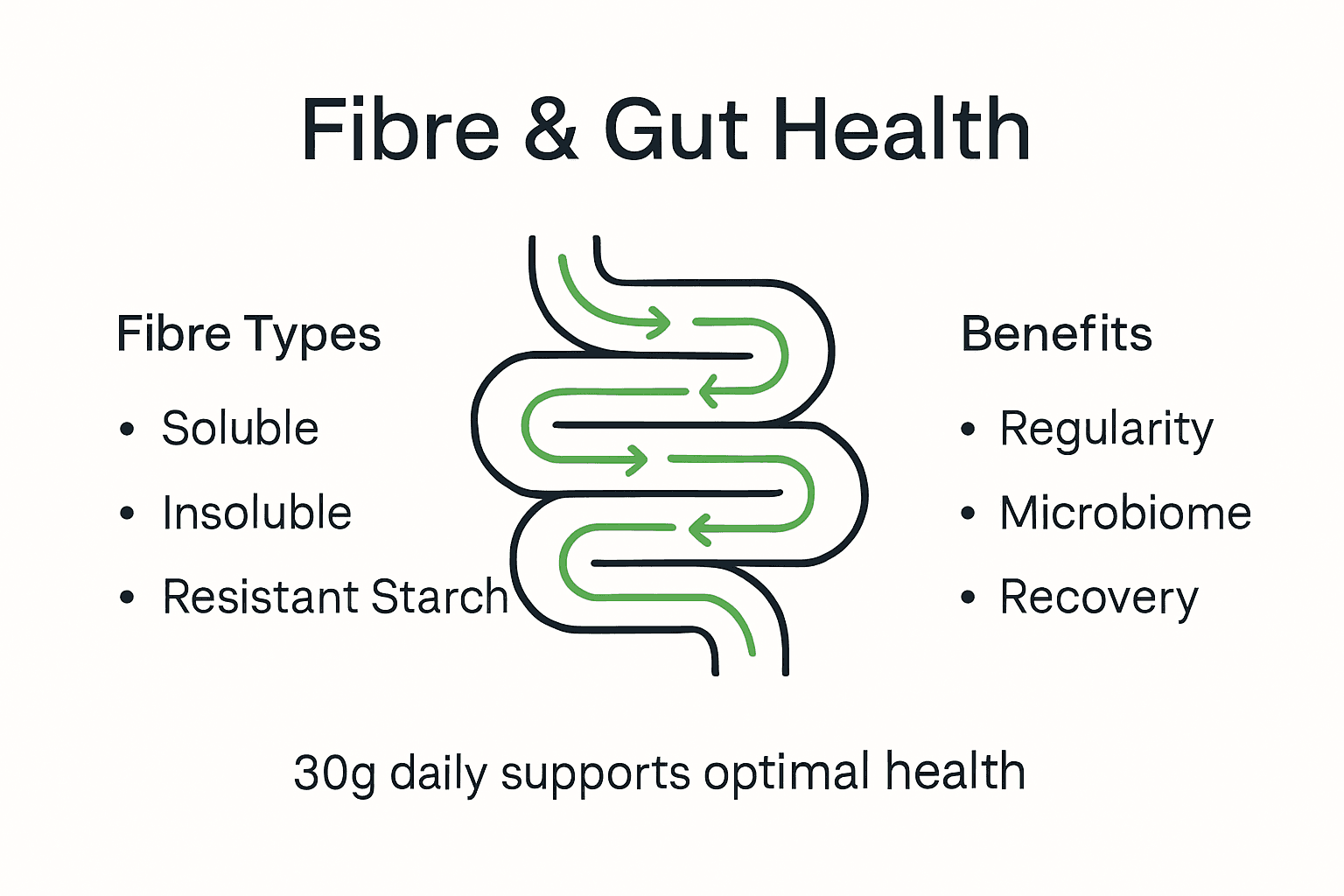
- Soluble and Insoluble Fibre Explained
- How Fibre Supports Recovery and Muscle Growth
- Fibre’s Impact on Digestion and Gut Health
- Optimal Daily Intake and Supplement Choices
- Risks of Overconsumption and Timing Strategies
Key Takeaways
| Point | Details |
|---|---|
| Importance of Fibre | Dietary fibre supports digestive health and overall wellness, being essential for maintaining optimal bodily functions. |
| Daily Intake Recommendations | UK adults should aim for a daily fibre intake of 30g, with current averages falling significantly short at around 19g. |
| Variety in Fibre Sources | Incorporating a diverse range of fibre sources—both soluble and insoluble—is crucial for maximising health benefits. |
| Gradual Increase Essential | To prevent gastrointestinal discomfort, fibre intake should be increased gradually while ensuring adequate hydration. |
Role of Fibre in Diet and Common Myths
Dietary fibre is a critical yet often misunderstood component of nutrition that plays a vital role in digestive health and overall wellness. Unlike other nutrients, fibre passes through our digestive system largely undigested, providing unique benefits that make it essential for maintaining optimal bodily functions. Nutrition research indicates that fibre is a type of carbohydrate found exclusively in plant-based foods, offering significant advantages beyond basic nutrition.
Many people harbour misconceptions about dietary fibre, believing it causes digestive discomfort or bloating. However, these myths often stem from improper implementation rather than inherent problems with fibre itself. British Heart Foundation research reveals that most UK adults consume only 20g of fibre daily, significantly below the recommended 30g intake. This shortfall means many individuals miss out on crucial health benefits, including improved cardiovascular health, blood sugar regulation, and digestive system support.
Fibre comes in two primary forms: soluble and insoluble. Soluble fibre dissolves in water and can help lower cholesterol levels and stabilise blood sugar, while insoluble fibre promotes regular bowel movements and prevents constipation. Incorporating a diverse range of fibre sources is key to reaping these benefits. Excellent sources include:
- Wholegrains
- Legumes and pulses
- Fresh fruits and vegetables
- Nuts and seeds
- Oats and barley
Pro tip: Gradually increase your fibre intake and drink plenty of water to help your digestive system adapt smoothly and minimise potential discomfort.
Soluble and Insoluble Fibre Explained
Understanding the different types of dietary fibre is crucial for optimising nutrition and gut health. Soluble and insoluble fibre represent two distinct categories of this essential nutrient, each playing a unique role in maintaining bodily functions. Gut health researchers explain that these classifications are primarily based on how fibres interact with water during digestion.
Soluble fibre dissolves in water, creating a gel-like substance that offers remarkable health benefits. Heart health experts highlight that this type of fibre can help lower cholesterol levels, regulate blood sugar, and provide nourishment for beneficial gut bacteria. Key sources of soluble fibre include:
- Oats and barley
- Fruits like apples and oranges
- Legumes
- Chia seeds
- Vegetables such as carrots
In contrast, insoluble fibre does not dissolve in water but plays an equally important role in digestive health. This type of fibre adds bulk to stools, promoting regular bowel movements and preventing constipation. Insoluble fibre acts like a natural digestive system broom, helping to move waste through the intestines efficiently. Excellent sources include:
- Whole wheat products
- Nuts
- Seeds
- Vegetable skins
- Brown rice
While the traditional soluble versus insoluble classification remains useful, modern nutritional science recognises that most fibre-rich foods contain a mix of both types. The key is consuming a diverse range of fibre sources to maximise potential health benefits.
Pro tip: Aim to incorporate a variety of fibre sources in your diet, gradually increasing intake and staying well-hydrated to support optimal digestive function.
Here’s how soluble and insoluble fibre differ in their primary roles:
| Fibre Type | Water Interaction | Main Digestive Effect | Typical Food Example |
|---|---|---|---|
| Soluble Fibre | Dissolves in water | Lowers cholesterol, slows glucose | Oats, apples |
| Insoluble Fibre | Does not dissolve | Accelerates bowel movements | Whole wheat, brown rice |
How Fibre Supports Recovery and Muscle Growth
Dietary fibre plays a nuanced yet critical role in supporting athletic recovery and overall physical performance. While fibre does not directly build muscle, scientific research from King’s College London demonstrates its profound impact on metabolic health and recovery processes. The connection between fibre and muscle recovery is deeply rooted in gut microbiome health and systemic inflammation management.
The primary mechanism of fibre’s supportive role involves enhancing nutrient absorption and optimising digestive function. Nutritional experts explain that adequate fibre intake improves overall health parameters, which indirectly facilitates muscle repair and growth. By promoting a balanced gut microbiota, fibre helps create an internal environment more conducive to efficient nutrient processing and metabolic recovery.
Key benefits of fibre for athletes and fitness enthusiasts include:
- Improved nutrient absorption
- Enhanced gut microbiome diversity
- Reduced systemic inflammation
- Better blood sugar regulation
- Sustained energy release
Furthermore, fibre-rich foods often contain additional micronutrients essential for muscle recovery, such as antioxidants, minerals, and vitamins. These complementary nutrients work synergistically to support repair mechanisms, reduce oxidative stress, and accelerate post-exercise recovery.
Pro tip: Incorporate a diverse range of fibre sources in your diet, focusing on whole foods that provide both soluble and insoluble fibre to maximise recovery potential.
Fibre’s Impact on Digestion and Gut Health
The intricate relationship between dietary fibre and digestive health represents a fascinating area of nutritional science. Gut health researchers reveal that fibre plays a remarkable role in supporting digestive function, acting as a crucial element in maintaining a healthy gut microbiome. Unlike other nutrients, fibre uniquely passes through the small intestine largely undigested, reaching the large bowel where it undergoes fermentation by beneficial gut bacteria.

This fermentation process produces short-chain fatty acids that provide substantial health benefits. Imperial College medical researchers highlight how these compounds contribute to improved gut lining integrity and enhanced immune function. The process of fibre fermentation creates an environment that supports diverse and robust microbial populations, which play critical roles in overall digestive wellness.
Key mechanisms of fibre’s digestive support include:
- Promoting regular bowel movements
- Adding bulk to stools
- Feeding beneficial gut bacteria
- Reducing inflammation in the digestive tract
- Supporting microbiome diversity
Moreover, fibre acts as a natural regulator of digestive processes. Different types of fibre - soluble and insoluble - work complementarily to manage stool consistency, transit time, and nutrient absorption. Soluble fibre helps soften stools and regulate bowel movements, while insoluble fibre accelerates waste movement through the intestinal tract, preventing potential digestive complications.
Pro tip: Gradually increase fibre intake and maintain adequate hydration to help your digestive system adapt smoothly and maximise gut health benefits.
Optimal Daily Intake and Supplement Choices
Nutritional guidelines in the UK recommend a daily fibre intake of 30g for adults, yet current average consumption hovers around a mere 19g. This significant shortfall highlights the critical need for strategic dietary interventions and potentially targeted supplementation to meet optimal nutritional requirements.
Achieving the recommended fibre intake requires a multifaceted approach. Whole food sources remain the primary recommendation, with diverse options including wholegrains, fruits, vegetables, pulses, nuts, and seeds. British Heart Foundation research suggests incorporating fibre at every meal to systematically increase daily consumption. When dietary intake proves challenging, carefully selected supplements can provide additional support.
Supplement considerations for fibre intake include:
- Psyllium husk powders
- Inulin-based supplements
- Prebiotic fibre blends
- Organic vegetable concentrates
- Soluble fibre powders
Importantly, supplement selection should prioritise quality, bioavailability, and individual digestive tolerance. While supplements can bridge nutritional gaps, they should complement rather than replace whole food nutrition. Professional consultation is recommended, particularly for individuals with specific digestive health conditions or dietary restrictions.
Pro tip: Introduce fibre supplements gradually, starting with small doses and increasing incrementally while maintaining excellent hydration to support optimal digestive adaptation.
This summary highlights UK fibre recommendations and strategies for improved intake:
| Recommendation | UK Adults’ Average | Suggested Source Focus | Supplement Guidance |
|---|---|---|---|
| Daily Intake Target | 30g per day | Wholegrains, fruits, pulses | Use only if diet insufficient |
| Current Average Intake | 19–20g per day | Increase with every meal | Gradual introduction advised |
Risks of Overconsumption and Timing Strategies
Food security research highlights the potential risks associated with rapid and excessive fibre intake. While dietary fibre is essential for health, consuming large quantities too quickly can trigger significant gastrointestinal discomfort, including bloating, abdominal pain, and excessive gas. Understanding these risks is crucial for maintaining digestive wellness and optimising nutritional strategies.
The body requires time to adapt to increased fibre consumption, making gradual introduction paramount. British Heart Foundation guidelines recommend a strategic approach to fibre intake that minimises potential digestive disruptions. Key strategies include:
- Incrementally increasing fibre portions
- Spreading fibre intake across different meals
- Maintaining excellent hydration
- Monitoring individual digestive responses
- Balancing different fibre types
Individual tolerance varies significantly, meaning what works for one person might cause discomfort for another. Factors such as existing gut health, metabolic rate, and overall diet composition play critical roles in determining fibre tolerance. People with pre-existing digestive conditions, such as irritable bowel syndrome or inflammatory bowel diseases, should be particularly cautious and consult healthcare professionals before making substantial dietary changes.
Pro tip: Start with small fibre increases of 2-3g per week, drink at least 2 litres of water daily, and pay close attention to your body’s digestive signals.
Boost Your Recovery and Gut Health with the Right Fibre and Supplements
Understanding the vital role that dietary fibre plays in recovery and gut health is the first step towards optimising your fitness journey. The article emphasises the importance of balancing soluble and insoluble fibre to support digestion, reduce inflammation, and improve nutrient absorption—all crucial factors for effective muscle repair and sustained energy. Many struggle with meeting the recommended daily fibre intake of 30 grams, which can hinder recovery and digestive wellness.

Take charge today by complementing your balanced diet with targeted supplements from MyGymSupplements.shop. Explore our range of health and wellbeing products designed to support gut microbiome diversity and reduce systemic inflammation. With options like organic prebiotic fibres and recovery aids, you can gradually enhance your fibre intake and overall digestive function. Don’t let low fibre slow your progress—visit MyGymSupplements.shop now and find the perfect nutritional support to fuel your recovery and gut health effectively.
Frequently Asked Questions
What are the benefits of dietary fibre for recovery and muscle growth?
Dietary fibre supports recovery and muscle growth by enhancing nutrient absorption, improving gut microbiome diversity, reducing systemic inflammation, and regulating blood sugar levels. These benefits create an optimal environment for muscle repair and metabolic recovery.
How does fibre impact gut health?
Fibre plays a crucial role in gut health by promoting regular bowel movements, adding bulk to stools, and feeding beneficial gut bacteria. It also supports microbiome diversity and reduces inflammation in the digestive tract, contributing to overall digestive wellness.
What are the differences between soluble and insoluble fibre?
Soluble fibre dissolves in water, helping to lower cholesterol and stabilise blood sugar, while insoluble fibre adds bulk to stools and promotes regular bowel movements. Both types are essential for digestive health and should be included in a balanced diet.
How can I increase my daily fibre intake safely?
To increase your fibre intake safely, gradually introduce fibre-rich foods into your diet, aiming for an incremental increase of 2-3g per week. Ensure you stay well-hydrated and incorporate a variety of fibre sources, such as wholegrains, fruits, and vegetables.

0 comments