

Many believe a perfect diet eliminates the need for digestive enzyme supplements. However, enzyme production naturally declines with age, stress, and intense physical training. Your body relies on these biological catalysts to unlock nutrients from food, and without adequate enzyme activity, even the cleanest diet cannot deliver optimal absorption. This guide reveals how digestive enzymes work, their scientifically proven benefits, and practical strategies to enhance digestion and athletic performance through targeted supplementation.
Table of Contents
- Understanding Digestive Enzymes: The Biological Foundation
- The Role of Different Digestive Enzymes: Protease, Lipase, Amylase, and More
- Common Misconceptions about Digestive Enzymes
- Comparing Types of Digestive Enzymes and Supplements
- Benefits and Applications of Digestive Enzyme Supplementation for Athletes and Health-conscious Consumers
- Practical Application: How to Use Digestive Enzyme Supplements Effectively
- Summary and Next Steps for Optimizing Digestion and Performance
- Enhance Your Nutrition with Targeted Supplement Solutions
- Frequently Asked Questions
Key Takeaways
| Point | Details |
|---|---|
| Enzyme driven absorption | Digestive enzymes enable up to 90% of nutrient absorption by breaking down food into usable molecules. |
| Supplementation benefits | Protease and lipase improve protein absorption by 30% and fat absorption by 15%, respectively. |
| Timing matters | Taking supplements immediately with meals boosts digestion efficiency by approximately 25%. |
| Broad spectrum advantage | Multi enzyme supplements provide more complete digestive support than single enzyme products. |
| Targeted applications | Athletes and lactose intolerant individuals reduce digestive distress and improve nutrient uptake through enzyme use. |
Understanding Digestive Enzymes: The Biological Foundation
Digestive enzymes function as biological catalysts that accelerate the breakdown of macronutrients into absorbable molecules. Without these specialized proteins, your body cannot efficiently extract amino acids from proteins, fatty acids from fats, or glucose from carbohydrates. The small intestine serves as the primary site where enzymatic action occurs and where absorption takes place.
Research shows that up to 90% of all nutrient absorption depends on effective enzymatic breakdown. This means nearly all the nutrition you obtain from food requires proper enzyme function. When enzyme production declines or proves insufficient, you may consume adequate nutrients yet experience suboptimal absorption and nutritional gaps.
Several key enzyme types begin working on food shortly after ingestion:
- Salivary enzymes initiate carbohydrate breakdown in your mouth
- Gastric enzymes start protein digestion in your stomach
- Pancreatic enzymes complete macronutrient breakdown in your small intestine
- Brush border enzymes finish the process at the intestinal wall
Each enzyme type targets specific chemical bonds in food molecules. This specificity ensures that proteins, fats, and carbohydrates all receive appropriate treatment. Athletes and health conscious individuals who fuel their performance naturally benefit greatly from understanding this biological foundation.
Pro Tip: Your enzyme production naturally peaks in your twenties and gradually declines. Supplementation can help maintain digestive efficiency as you age or during periods of high physical stress.
The Role of Different Digestive Enzymes: Protease, Lipase, Amylase, and More
Each major enzyme category serves distinct functions in nutrient digestion. Understanding these specific roles helps you select supplements that match your dietary needs and performance goals.
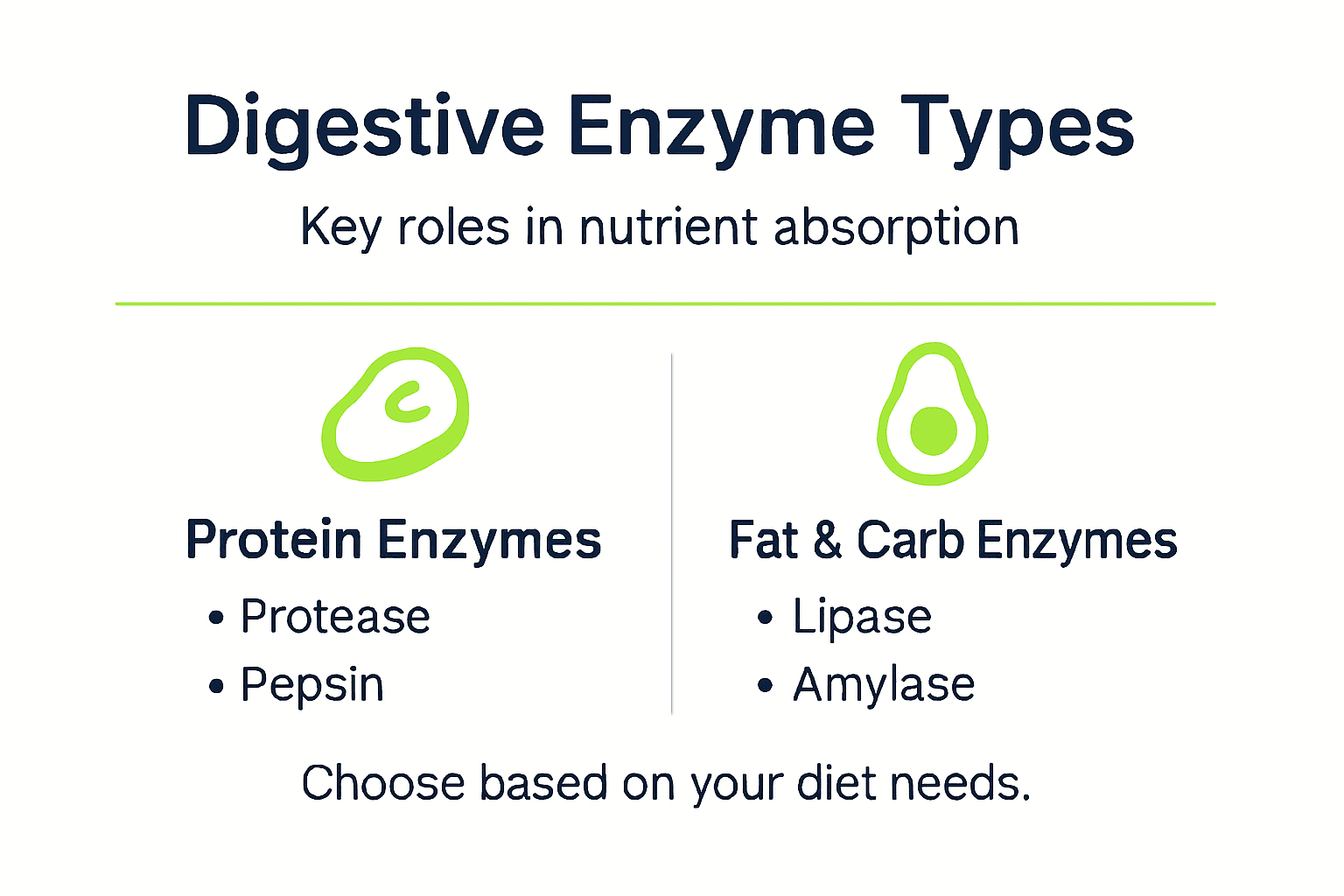
Protease enzymes break down proteins into individual amino acids and small peptides. These building blocks support muscle repair, immune function, and countless metabolic processes. Studies demonstrate that protease supplementation improves protein bioavailability by up to 30%, making dietary protein significantly more useful to your body.
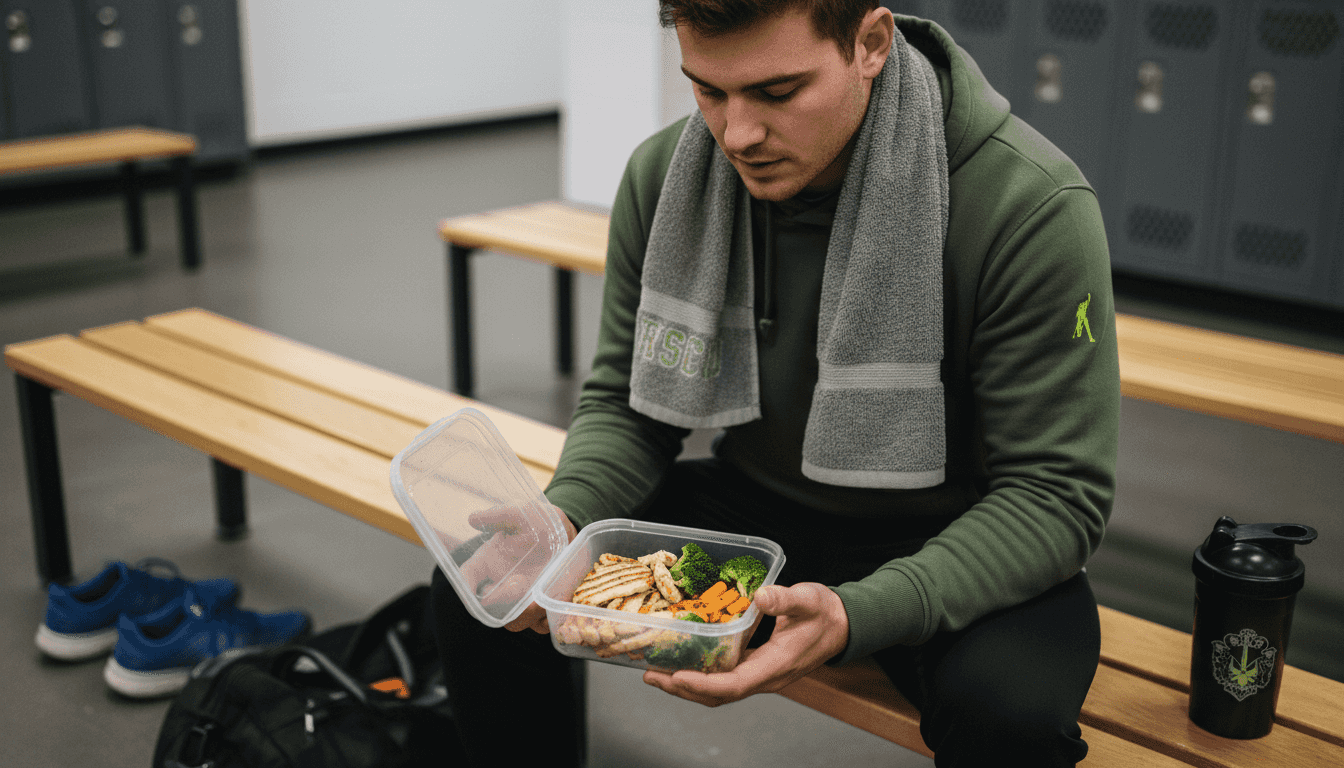
Lipase targets triglycerides and other fats, splitting them into fatty acids and glycerol. This process proves especially important for athletes with high calorie requirements. Research indicates that lipase supplementation increases fatty acid absorption by approximately 15%, helping you meet energy demands more efficiently.
Amylase breaks down complex carbohydrates into simple sugars like glucose. This enzyme category includes several variants that work on different types of starches and fibers. Effective carbohydrate digestion provides steady energy for training and daily activities.
Specialized enzymes address specific dietary challenges:
- Lactase digests lactose, the sugar in dairy products
- Cellulase breaks down plant fiber
- Bromelain and papain from fruits support protein digestion
- Alpha galactosidase helps digest complex sugars in legumes
| Enzyme Type | Primary Target | Key Benefit |
|---|---|---|
| Protease | Proteins | 30% improved protein absorption |
| Lipase | Fats | 15% increased fat utilization |
| Amylase | Carbohydrates | Enhanced energy availability |
| Lactase | Dairy sugar | Reduced digestive discomfort |
| Multi enzyme | All macronutrients | Comprehensive digestive support |
Multi enzyme supplements offer broader coverage than single enzyme products. They simultaneously address proteins, fats, and carbohydrates in mixed meals. This comprehensive approach typically delivers better results for overall digestion and nutrient absorption.
Pro Tip: Match your enzyme supplement to your predominant dietary pattern. High protein diets benefit most from protease rich formulas, while high fat diets respond better to lipase dominant blends.
Common Misconceptions about Digestive Enzymes
Several widespread myths prevent people from benefiting from enzyme supplementation. Clearing up these misconceptions helps you make informed decisions about digestive support.
Many believe enzyme supplements only help people with diagnosed digestive disorders. This assumption ignores natural enzyme decline with aging and the stress induced reduction in enzyme production during intense training. Your body may produce insufficient enzymes even without any medical condition, particularly during demanding physical periods.
Another common error involves assuming all enzyme supplements deliver equal benefits. Enzyme activity units matter far more than simple ingredient lists. A supplement with 50,000 units of protease activity provides substantially more digestive support than one with 5,000 units, regardless of marketing claims.
Timing mistakes significantly reduce supplement effectiveness. Taking enzymes after finishing your meal lowers digestion efficiency by about 25% compared to taking them immediately before or during eating. The enzymes need to mix with food as digestion occurs, not arrive after the process has already started.
Some people worry that supplementing enzymes will make their body lazy and stop producing its own. No scientific evidence supports this concern. Your pancreas produces enzymes in response to food presence, not based on supplemental enzyme availability.
Key misconceptions to avoid:
- Only sick people need enzyme supplements
- All enzyme products work equally well
- Taking enzymes anytime during the day provides benefits
- Supplements will reduce natural enzyme production
- Single enzyme products work as well as multi enzyme formulas
Pro Tip: Check supplement labels for enzyme activity units, not just milligrams of enzyme blend. Activity units measure actual digestive power.
Comparing Types of Digestive Enzymes and Supplements
Digestive enzyme supplements vary considerably in composition, potency, and intended applications. Understanding these differences helps you select products that match your specific needs.
Single enzyme supplements focus on one macronutrient category. A protease only supplement helps with protein digestion but does nothing for fats or carbohydrates. These targeted formulas work well when you have specific digestive challenges with one nutrient type.
Multi enzyme blends contain various enzyme types to handle proteins, fats, and carbohydrates simultaneously. Research shows these comprehensive formulas can improve overall nutrient absorption by up to 35% because they address the full complexity of mixed meals. Most people eat combinations of macronutrients, making multi enzyme products more practical.
Enzyme activity and purity significantly impact effectiveness. Two supplements listing similar ingredients may deliver vastly different results based on enzyme concentration and quality. Always verify activity units for key enzymes like protease, lipase, and amylase.
| Supplement Type | Best For | Limitation |
|---|---|---|
| Single enzyme | Specific intolerances | Narrow application |
| Multi enzyme | General digestion | May include unnecessary enzymes |
| High potency | Severe digestive issues | Can be expensive |
| Plant based | Vegetarians | May have lower activity units |
| Animal derived | Maximum potency | Not suitable for vegetarians |
Selecting enzymes based on your dietary intake optimizes digestive support. Someone consuming mostly plant based proteins benefits from different enzyme ratios than someone eating primarily animal proteins and fats. Consider your typical meal composition when choosing supplements.
Additional factors to evaluate:
- Capsule vs tablet delivery affects enzyme release timing
- Enteric coating protects enzymes from stomach acid
- Added ingredients like prebiotics or herbs may provide extra benefits
- Sourcing matters for quality and activity levels
Benefits and Applications of Digestive Enzyme Supplementation for Athletes and Health-conscious Consumers
Scientific research demonstrates multiple benefits from strategic enzyme supplementation. These advantages prove particularly relevant for physically active individuals and those optimizing their nutrition.
Enzyme supplements reduce gastrointestinal symptoms during and after intense exercise. Athletes often experience digestive distress under physical stress, which can impair performance and recovery. Proper enzyme supplementation minimizes these issues while maintaining nutrient delivery.
Enhanced protein and fat absorption directly supports muscle repair and energy production. When you improve bioavailability by 30% for proteins and 15% for fats, you effectively increase the nutritional value of every meal without changing your diet. This efficiency gain proves especially valuable during heavy training periods.
Lactose intolerant individuals gain significant benefits from lactase supplementation. Research shows that lactase enzyme use reduced gastrointestinal distress by 60% in lactose intolerant athletes. This allows continued consumption of dairy based protein sources without digestive consequences.
Key applications for different populations:
- Strength athletes benefit from enhanced protein absorption supporting muscle growth
- Endurance athletes gain from improved fat utilization for sustained energy
- Older adults compensate for natural enzyme production decline
- People with food sensitivities expand their dietary options safely
- Anyone seeking optimal nutrient extraction from their diet
Supplementing digestive enzymes during intense training cycles supports nutrient uptake when your body needs it most. The combination of increased nutritional demands and stress induced reduction in enzyme production creates a perfect scenario for supplementation benefits.
Practical Application: How to Use Digestive Enzyme Supplements Effectively
Maximizing enzyme supplement benefits requires attention to selection, timing, and monitoring. Follow these evidence based guidelines to optimize your digestive support strategy.
Timing proves critical for enzyme effectiveness. Research demonstrates that taking enzyme supplements immediately before or with meals improves digestion efficiency by approximately 25% compared to delayed dosing. The enzymes must be present as food enters your digestive system to work optimally.
- Take your enzyme supplement within five minutes before starting your meal
- Choose enzyme formulas matching your predominant dietary macronutrients
- Start with manufacturer recommended doses and adjust based on response
- Verify enzyme activity units rather than relying solely on ingredient lists
- Monitor digestive symptoms and nutrient absorption indicators like energy and recovery
- Consider increasing doses for larger meals or those high in hard to digest foods
Selecting appropriate enzyme supplements requires understanding your dietary patterns. Someone following a high protein diet needs different enzyme ratios than someone consuming mostly plant based carbohydrates. Choosing supplements wisely means matching product composition to your actual nutritional intake.
Verify enzyme activity through standardized units. Protease activity appears as HUT (Hemoglobin Unit Tyrosine), lipase as FIP or LU (Lipase Units), and amylase as DU (Dextrinizing Units). Higher numbers indicate more potent digestive activity.
Monitor your response to supplementation through several indicators. Reduced bloating, gas, and digestive discomfort signal improved digestion. Better energy levels and faster recovery suggest enhanced nutrient absorption. Adjust your supplement type or dose if you notice minimal benefits after two weeks of consistent use.
Summary and Next Steps for Optimizing Digestion and Performance
Digestive enzymes serve as essential catalysts enabling your body to extract and absorb nutrients from food. Without adequate enzyme activity, even optimal nutrition fails to deliver full benefits. The evidence clearly demonstrates that supplementation supports enhanced digestion and performance.
Key insights for application:
- Natural enzyme production declines with age and during physical stress
- Supplemental protease and lipase significantly improve macronutrient absorption
- Multi enzyme formulas provide broader support than single enzyme products
- Proper timing with meals maximizes supplementation effectiveness
- Athletes gain particular advantages from strategic enzyme use
Begin by assessing your current digestive efficiency and dietary patterns. Notice any bloating, gas, or discomfort after meals. Consider your training intensity and nutritional demands. These factors guide supplement selection and dosing.
Start with a quality multi enzyme supplement taken immediately before your largest meals. Monitor your digestive comfort and overall energy over two to three weeks. Adjust the formula or dose based on your response. Combine enzyme supplementation with other performance nutrition strategies for comprehensive results.
Enhance Your Nutrition with Targeted Supplement Solutions
Optimizing your supplement routine requires more than isolated product choices. Strategic planning and proper timing create synergistic effects that maximize your results. Building an effective workout supplement routine means coordinating digestive enzymes with other nutritional support for comprehensive benefits.
Mastering supplement timing transforms good nutrition into exceptional performance fuel. When you coordinate enzyme supplementation with protein intake, pre workout nutrition, and recovery strategies, you create a complete system supporting your goals. Understanding how different supplements interact and when to take each one eliminates guesswork.
Explore our step by step pre workout routine to integrate digestive support with performance enhancement. These comprehensive guides provide actionable protocols you can implement immediately for measurable improvements in training and recovery.
Frequently Asked Questions
Can digestive enzyme supplements benefit people without diagnosed digestive issues?
Yes, many individuals without digestive disorders still benefit from enzyme supplementation. Natural enzyme production declines with age, typically beginning in your late twenties. Intense exercise and stress also temporarily reduce enzyme output, making supplementation valuable even for healthy people during demanding periods.
What is the best timing to take digestive enzyme supplements for maximum effect?
Take digestive enzyme supplements immediately before or during meals for optimal results. Research confirms this timing improves digestion efficiency by about 25% compared to delayed dosing. The enzymes need to mix with food as digestion begins, not arrive after the process starts.
How do multi enzyme supplements compare to single enzyme products?
Multi enzyme supplements simultaneously break down proteins, fats, and carbohydrates, providing comprehensive digestive support. They typically improve overall nutrient absorption more effectively than single enzyme products because most meals contain mixed macronutrients. Single enzyme supplements work best when targeting specific intolerances or dietary patterns.
Are digestive enzyme supplements safe for athletes during intense training?
Yes, enzyme supplements are generally safe and often beneficial during intense training periods. Studies show they reduce gastrointestinal symptoms and improve nutrient uptake when physical stress is high. Many athletes experience better training consistency and recovery with proper supplementation, particularly those following endurance training programs.
Recommended
- What is Prebiotic Supplement? Understanding Its Benefits – MyGymSupplements
- What is an Immune Booster? Understanding Its Importance – MyGymSupplements
- What is an Immune Booster? Understanding Its Importance – MyGymSupplements
- Understanding What is a Dietary Supplement: A Deep Dive – MyGymSupplements

0 comments