

Reaching for a drink after a tough British training session often means weighing up taste, health, and results. For those focused on quick recovery, coconut water stands out as a natural choice, offering hydration and a genuine electrolyte profile. While some myths claim this tropical drink works miracles, the truth is simpler. Coconut water provides meaningful benefits for light to moderate exercise, making it a smart option for UK athletes aiming for effective, wholesome rehydration.
Table of Contents
- Coconut Water: What It Is And Common Myths
- Electrolyte Profile And Hydration Mechanisms
- Types Of Coconut Water And Key Differences
- Performance And Muscle Recovery Benefits
- Limitations, Risks, And Sodium Concerns
- Natural Alternatives To Sports Drinks
Key Takeaways
| Point | Details |
|---|---|
| Coconut Water Provides Natural Hydration | Coconut water is effective for light to moderate hydration, particularly for UK athletes exercising in warm conditions. |
| Myths Surrounding Coconut Water | It is no more hydrating than plain water and should not be seen as a miracle cure for hangovers or a superior sports drink. |
| Electrolyte Balance is Crucial | While coconut water contains electrolytes, its sodium content is low; it’s important to supplement with higher sodium options during intense exercise. |
| Check Labels for Ingredients | When purchasing packaged coconut water, opt for brands with no added sugars or preservatives to achieve the genuine benefits. |
Coconut water: What it is and common myths
Coconut water is the clear liquid found inside young green coconuts, and it’s distinctly different from coconut milk, which is made by blending coconut water with grated coconut flesh. Think of it as nature’s own sports drink, packed with water, sugars, minerals, and electrolytes like potassium and sodium. The stuff is low in calories and typically free from added sugars when you drink it fresh, making it a genuinely light option compared to many commercial beverages. In tropical regions, it has been consumed for centuries as a natural hydration source, and it’s become increasingly popular among British athletes and fitness enthusiasts looking for alternatives to plain water during recovery.
Now here’s where the myths start to crumble. Coconut water is no more hydrating than plain water, despite what some marketing campaigns claim. Yes, it contains electrolytes, but the amounts are modest compared to purpose-designed sports drinks. Another common misconception is that coconut water can boost your metabolism or act as a miracle cure for hangovers. These claims lack solid scientific backing. Similarly, calling it a superior sports drink for athletes ignores the fact that plain water with a bit of carbohydrate and sodium often works just as well for most training sessions. The reality is less glamorous than the hype suggests, but that doesn’t mean coconut water has no value. It’s genuinely useful for light hydration, it tastes decent, and it contains genuine micronutrients. Just don’t expect it to perform miracles.
What makes coconut water legitimate for UK athletes is its practical use case. If you’re training in warm conditions or doing moderate-intensity exercise lasting under an hour, coconut water provides adequate hydration with some carbohydrates for energy. The electrolytes do help with fluid retention, which matters when you’re sweating heavily. The key is understanding what it actually is: a useful hydration option with modest nutritional benefits, not a replacement for proper sports nutrition or a cure for poor recovery habits. When you choose coconut water, you’re selecting a natural beverage with genuine merits, not a performance enhancer disguised as a drink.
Pro tip: Check the ingredient list when buying packaged coconut water, as some brands add unnecessary sugars or preservatives that undermine its natural appeal. Stick with versions listing only coconut water as the ingredient for the genuine benefits.
To clarify the hydration value of coconut water versus other options, see this comparison:
| Hydration Option | Key Electolytes | Typical Sugar Content | Suitable For |
|---|---|---|---|
| Coconut water | Potassium, sodium | Low (when pure) | Moderate exercise, warm days |
| Plain water | None | None | Light activity, daily use |
| Sports drink | Sodium, potassium | High (added sugars) | Intense/long-duration training |
| Coconut milk | Minimal sodium | Moderate, plus fat | Cooking, meal use |
Electrolyte profile and hydration mechanisms
When you exercise, your body loses far more than just water through sweat. You’re also losing critical minerals that your muscles and nervous system depend on to function properly. Electrolytes are minerals such as sodium, potassium, phosphate, calcium, and magnesium that carry electrical charges essential for muscle contraction, fluid balance, and nerve signalling. Think of them as the electrical system that keeps your body running smoothly. During intense training or prolonged exercise, especially in British summer conditions, you shed these electrolytes through perspiration. If you only drink plain water during or after your workout, you’re replacing the fluid but leaving your electrolyte balance depleted. This is why coconut water becomes genuinely useful for UK athletes, as it naturally contains these minerals without the excessive sugar you’d find in many commercial sports drinks.
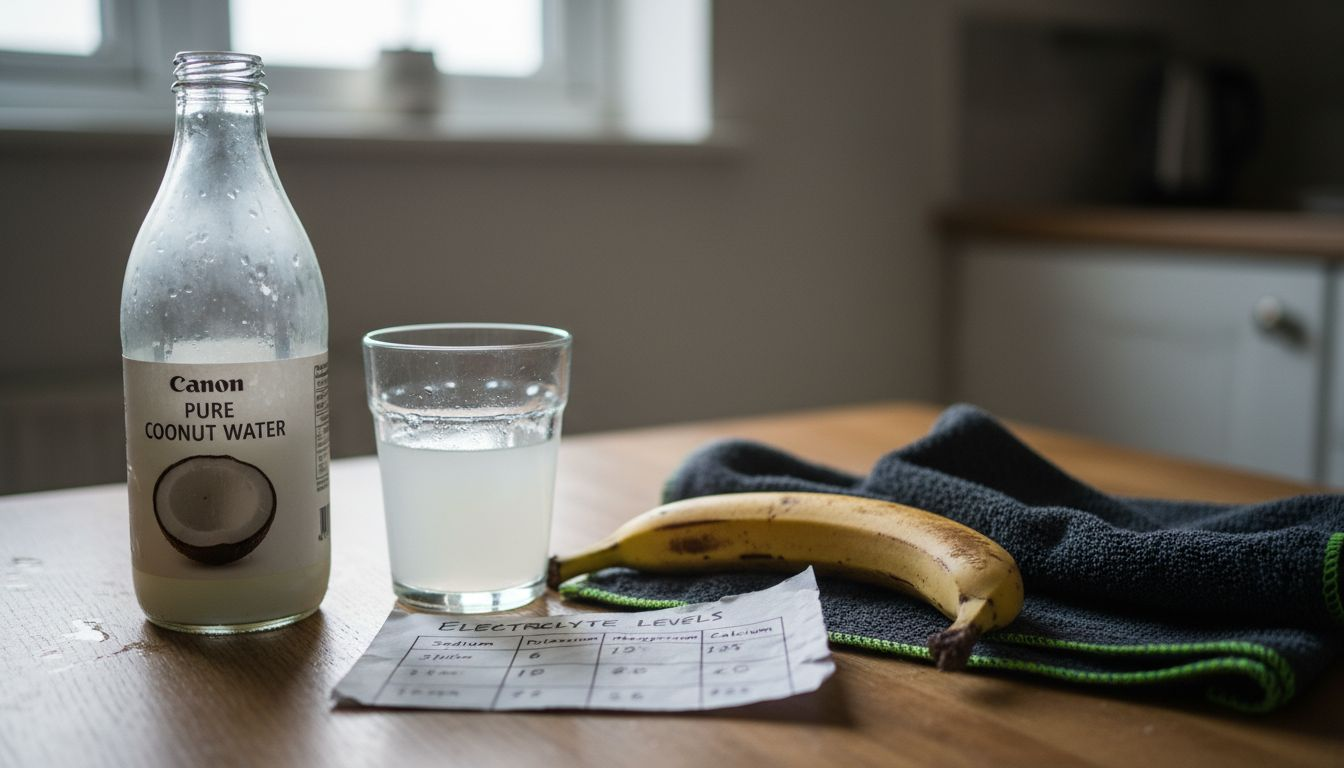
Your body maintains hydration across three main compartments: inside your cells, outside your cells, and in your blood. Electrolytes are essential for maintaining proper balance across these compartments, which directly affects how well your muscles contract and recover. When dehydration occurs, electrolyte concentrations shift dramatically, impairing both muscle and nerve function. This isn’t just uncomfortable; it actively degrades your athletic performance and slows recovery. Sodium helps your body retain fluid so you stay hydrated longer, whilst potassium works at the cellular level to fuel muscle contractions and regulate heart rhythm. Coconut water provides both in meaningful amounts, making it particularly effective for rehydration after moderate exercise. The timing matters too. Consuming electrolytes during or immediately after training optimises how quickly your body can reabsorb fluid and restore balance.
The science here is straightforward: hydration changes directly affect neuromuscular function in athletes. Your muscles need the right electrolyte balance to fire properly, and your nerves need it to send signals efficiently. Without adequate electrolytes, even if you’re drinking enough fluid, your body cannot function optimally. For UK athletes training in warmer conditions or performing endurance work, this becomes critical. Coconut water’s natural electrolyte profile makes it a practical choice for light to moderate recovery hydration. It’s not a replacement for dedicated sports drinks during intense competition, but for everyday training recovery and warm weather sessions, it delivers what your body actually needs to rebalance.
Pro tip: Consume coconut water within 30 minutes of finishing your workout when your body is most receptive to rehydration, and pair it with some carbohydrates or protein to maximise recovery effectiveness.
Types of coconut water and key differences
Coconut water isn’t a one-size-fits-all product. The type you choose matters considerably for your hydration and recovery goals. The most fundamental distinction lies between fresh coconut water extracted directly from young green coconuts and packaged coconut water sold in shops across the UK. Fresh coconut water, when you can access it, is genuinely the purest option. It contains no additives, no processing chemicals, and no added sugars. However, most British athletes won’t have regular access to fresh coconuts, which is why packaged versions dominate the market. The challenge with packaged coconut water is understanding what’s actually inside the bottle. Some brands add sugars to improve taste, others include preservatives for shelf stability, and some use heat processing that affects the micronutrient profile. Reading labels carefully becomes essential when choosing which type suits your recovery needs.
Different coconut varieties also create significant differences in what you’re actually consuming. Coconut water composition varies based on coconut genotype and maturation stage, meaning dwarf coconuts differ from tall varieties in their sugar levels, mineral content, and total solids. Young coconuts typically contain lower sugar and higher electrolyte concentrations compared to more mature varieties, which is why age matters when selecting fresh coconuts. The growing region also influences nutritional content. Coconuts from different tropical climates will have varying mineral profiles depending on soil composition and water availability during growth. For UK athletes, this means understanding the source of your packaged coconut water can help you select products with optimal electrolyte profiles rather than excessive sugar.
It’s crucial not to confuse coconut water with coconut milk, a common mistake that undermines your recovery strategy. Coconut milk is a creamy emulsion made by blending coconut flesh with water, whereas coconut water is the clear liquid naturally found inside young coconuts. Coconut milk contains significantly higher calories and fat content, making it unsuitable for post-workout hydration when you want quick electrolyte replenishment without excess calories. Coconut milk serves better as a cooking ingredient or dietary supplement when you’re seeking additional calories, but it won’t provide the quick hydration benefits you need after training. When shopping, check the label carefully. If it says coconut milk, put it back. You want pure coconut water for athletic recovery. The ideal packaged option contains only coconut water with no added sugars, minimal processing, and ideally a transparent ingredient list that shows nothing else has been added.
Pro tip: Choose coconut water labelled as “100% pure” or “from concentrate” without added sugars, and prioritise products that specify electrolyte content on the nutritional label so you know exactly what mineral profile you’re getting for recovery.
This table summarises differences between fresh and packaged coconut water:
| Feature | Fresh Coconut Water | Packaged Coconut Water |
|---|---|---|
| Processing | Unprocessed, natural | Often pasteurised or processed |
| Additives | None | Preservatives, sometimes sugars |
| Nutrient Profile | Highest natural minerals | Varies, can decline with processing |
| Shelf Life | Very short | Long, varies by brand |
| Accessibility in the UK | Limited | Widely available |
Performance and muscle recovery benefits
Coconut water delivers real benefits for UK athletes, though they’re more practical than revolutionary. The core advantage lies in its electrolyte composition, particularly potassium and sodium, which your muscles need immediately after training to restore function and prevent cramping. When you finish a workout, your body is depleted of these minerals through sweat loss. Consuming coconut water within 30 minutes of exercise helps replenish them efficiently, supporting muscle contraction and nerve signalling during the critical recovery window. The natural carbohydrates in coconut water also matter. They provide glucose for energy replenishment without the massive sugar crash you’d experience with many commercial sports drinks. This combination makes coconut water genuinely effective for moderate intensity training sessions, particularly in warm conditions where electrolyte loss accelerates. For endurance athletes or those training in British summer heat, this natural source of hydration becomes particularly valuable compared to plain water alone.
The recovery benefits extend beyond simple rehydration. Coconut water can offer antioxidant benefits alongside its electrolyte profile, which helps reduce inflammation after intense training. Inflammation is your body’s natural response to muscle damage, but excessive inflammation delays recovery and increases injury risk. By consuming coconut water post-workout, you’re providing both the hydration your muscles need and compounds that help manage the inflammatory response. This doesn’t replace dedicated protein intake or carbohydrate loading, but it complements a solid recovery nutrition strategy. Proper hydration with electrolyte replacement is crucial for athletes seeking to optimise muscle recovery and reduce injury risk. Coconut water fits naturally into this framework as part of your overall recovery protocol.
However, there’s an important caveat worth understanding. Coconut water lacks the sodium concentration of purpose-designed sports drinks, which means it works best for recovery after moderate exercise rather than intense competition or extreme sweat losses. If you’re competing at high intensity or training for multiple hours, you’ll need a beverage with higher sodium content. But for everyday training recovery, post-workout rehydration, and maintaining electrolyte balance during warm weather conditioning, coconut water performs admirably. The psychological benefit matters too. Choosing a natural, minimally processed beverage over artificial sports drinks creates consistency with overall health goals. When coconut water fits your training context appropriately, it delivers genuine performance and recovery advantages without unnecessary additives or excessive sugar. The key is matching the beverage to your specific training demands rather than assuming one solution works for everything.
Pro tip: Consume coconut water within 30 to 60 minutes post-workout with a carbohydrate source like toast or a banana to maximise muscle glycogen replenishment and electrolyte absorption for optimal recovery.
Limitations, risks, and sodium concerns
Coconut water isn’t a perfect solution for every athlete or situation. The most significant limitation is its relatively low sodium content compared to purpose-designed sports drinks and your actual sweat losses during intense exercise. When you train hard, you lose sodium at rates that coconut water alone cannot adequately replace. This becomes critical during endurance events, high-intensity intervals, or extended training sessions lasting over 90 minutes. Many coconut water products contain only 200 to 300 milligrams of sodium per litre, whilst serious athletes performing intense exercise can lose 500 to 1,000 milligrams per hour through sweat. This sodium deficit matters because sodium is critical to nerve and muscle function, and insufficient replacement compromises both performance and safety. For everyday training recovery and light to moderate sessions, this gap doesn’t present problems. But during competition or intense conditioning, you need a beverage with substantially higher sodium content to match your physiological demands.
Another genuine risk worth understanding is overhydration without electrolyte balance. This sounds counterintuitive, but drinking excessive plain water or even excessive coconut water without adequate sodium intake can lead to hyponatraemia, an abnormally low blood sodium level that affects cellular function and performance. Athletes must balance hydration to avoid complications such as hyponatraemia, which can occur when fluid intake exceeds sodium replacement. The danger escalates during events lasting several hours where athletes consume large volumes of low-sodium beverages. Symptoms include headache, nausea, confusion, and in severe cases, seizures or loss of consciousness. Coconut water provides some sodium protection compared to plain water, but it’s still insufficient for high-volume hydration scenarios. The key principle is matching your fluid intake to your sweat losses and ensuring electrolyte intake keeps pace with fluid consumption.
Individual sodium needs vary considerably based on genetics, fitness level, exercise intensity, and environmental conditions. Sodium needs vary individually depending on genetics, fitness, exercise intensity, and environment, which means blanket recommendations often miss the mark. Some athletes are naturally high sodium sweaters, losing electrolytes faster than others. Training in warm weather amplifies losses, and certain genetic factors influence how much sodium your body excretes through sweat. For individuals with blood pressure concerns, excessive sodium intake poses separate health risks. This complexity means you cannot assume coconut water solves everyone’s hydration needs equally. Monitoring how you feel during and after training provides practical feedback. If you experience cramping, excessive thirst, or performance dips despite adequate fluid intake, insufficient sodium is likely the culprit. Conversely, if you have hypertension, even moderate sodium sources require careful consideration. The practical approach is matching your beverage choice to your specific sweat profile and health status rather than adopting universal recommendations.
Pro tip: If training for more than 90 minutes or in hot conditions, supplement coconut water with a higher-sodium sports drink or electrolyte powder to match your actual sweat losses and prevent both dehydration and hyponatraemia.
Natural alternatives to sports drinks
Coconut water sits comfortably within a broader strategy of using natural food-based hydration instead of relying exclusively on manufactured sports drinks. The advantage of this approach extends beyond just coconut water. When you build your recovery nutrition around whole foods and natural beverages, you gain access to complex carbohydrates, antioxidants, dietary fibre, and minerals that processed drinks often lack or strip away. A ripe banana provides potassium and carbohydrates alongside fibre and phytochemicals. Beetroot juice delivers nitrates that improve blood flow and endurance performance. Watermelon contains both water and citrulline, an amino acid that supports muscle function. Plant-based diets and natural foods serve as promising alternatives to commercial sports drinks by providing complex carbohydrates, antioxidants, and essential minerals without added sugars or artificial ingredients. Coconut water fits naturally into this ecosystem as part of a diversified recovery approach rather than as a standalone solution. The practical reality for UK athletes is that combining coconut water with whole foods creates a superior recovery strategy compared to depending entirely on branded sports drinks.
Building this natural alternative strategy requires intentional meal planning around your training schedule. Immediately post-workout, coconut water provides quick hydration and electrolyte replacement. Thirty to sixty minutes later, consuming whole foods like Greek yoghurt with granola, chicken with sweet potato, or eggs on wholemeal toast delivers protein for muscle repair, carbohydrates for glycogen restoration, and micronutrients your body needs to adapt to training stress. Athletes often use natural food-based hydration and nutritional strategies as alternatives to commercial sports drinks, incorporating plant-based whole foods rich in fibre, vitamins, and phytochemicals to support performance and recovery. This approach eliminates the processed taste and expense of commercial sports drinks whilst providing genuine nutritional density. The fibre from whole foods supports gut health, which indirectly improves nutrient absorption. The vitamins and minerals from natural sources work synergistically in ways that isolated supplements often cannot replicate. For everyday training and recovery, this strategy outperforms reliance on manufactured alternatives.
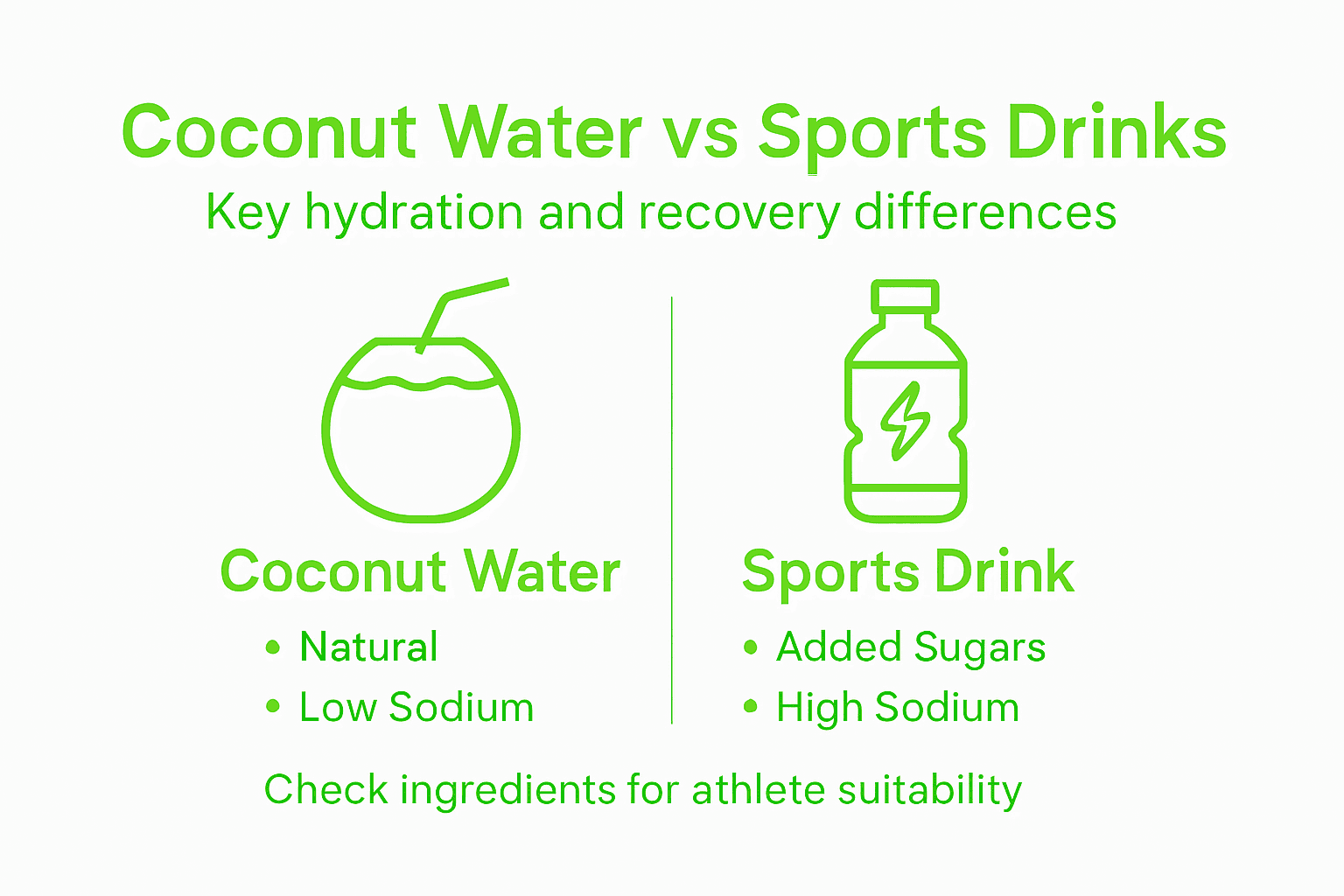
However, natural alternatives require realistic acknowledgement of their limitations during competition or extreme conditions. If you’re competing in a marathon, ultra-endurance event, or training session lasting multiple hours in intense heat, whole foods alone cannot provide the hydration volume and carbohydrate delivery speed you need. A banana takes time to digest and provides relatively little sodium. Natural alternatives work brilliantly for post-workout recovery, daily training support, and warm-up nutrition. They become impractical during the event itself when you need rapid fluid and carbohydrate absorption. The practical approach combines both: use coconut water and whole foods as your primary recovery strategy for everyday training, but keep purpose-designed sports drinks or electrolyte powders available for competitions and extreme conditions when your physiological demands exceed what natural alternatives can deliver. This balanced approach gives you the health benefits of natural nutrition without sacrificing performance when it truly matters.
Pro tip: Create a post-workout recovery protocol combining coconut water within 20 minutes, followed by a whole-food meal 45 minutes later containing protein, carbohydrates, and vegetables to maximise both immediate rehydration and sustained recovery.
Enhance Your Hydration and Recovery Strategy with Targeted Supplements
Understanding that coconut water offers modest electrolyte replenishment but may lack adequate sodium for intense sessions, UK athletes need complementary solutions to optimise hydration and muscle recovery. If you often struggle with cramping, fatigue, or subpar post-workout recovery despite drinking fluids, it may be time to support your regimen with scientifically formulated products tailored to your specific training demands. Whether you seek to balance electrolytes efficiently or power muscle repair, incorporating the right supplements is essential for consistent performance.
Explore a wide range of products on MyGymSupplements.shop designed for peak recovery and hydration. Our selection includes electrolyte blends, amino acids, and proteins that work synergistically with natural options like coconut water. Why settle for incomplete rehydration when you can enhance your routine with effective supplements crafted for UK athletes? Start rebuilding stronger muscles, reduce inflammation, and maintain proper fluid balance today by browsing best sellers and new arrivals. Take control of your post-workout recovery now and visit MyGymSupplements.shop to find your perfect hydration and recovery support.
Frequently Asked Questions
What are the hydration benefits of coconut water for athletes?
Coconut water provides excellent hydration due to its natural electrolyte content, including potassium and sodium. It helps replenish fluids and essential minerals lost during moderate exercise, making it a viable option for post-workout rehydration.
How does coconut water compare to sports drinks for recovery?
While coconut water contains some electrolytes, it has lower sodium levels compared to many sports drinks. It is suitable for light to moderate exercise recovery but may not meet the sodium replacement needs of intense workouts or endurance events.
Can coconut water help with muscle recovery after exercise?
Yes, coconut water can aid muscle recovery due to its electrolyte composition and natural sugars. Consuming it post-workout helps restore lost minerals and provides carbohydrates to replenish energy stores, which can enhance recovery.
Is there a difference between fresh and packaged coconut water?
Yes, fresh coconut water is unprocessed and contains no additives, ensuring the highest nutrient levels. Packaged coconut water may have preservatives or added sugars, so it’s essential to read labels to find options without these ingredients.
Recommended
- Understanding the Importance of Hydration for Athletes – MyGymSupplements
- What Is Isotonic Drink? Complete Guide for Fitness UK – MyGymSupplements
- 7 Essential Hydration Tips for Athletes to Boost Performance – MyGymSupplements
- Conteh Sports Hydra Flow 300g | Premium Daily Hydration Formula
- Biostarks | Sport Performance

0 comments