

Over 60 percent of british athletes use isotonic drinks to maintain peak performance during intense exercise. Choosing the right hydration solution matters because the balance of fluids and electrolytes can make the difference between power through your next workout or hitting a wall. This straightforward guide clarifies what isotonic drinks are, how they work, and why they are trusted by those leading active lives across the UK.
Table of Contents
- Definition And Purpose Of Isotonic Drinks
- Main Ingredients And How They Work
- Types Of Isotonic Drinks Available
- Benefits For Athletes And Active Lifestyles
- When To Use And Potential Risks
Key Takeaways
| Point | Details |
|---|---|
| Definition of Isotonic Drinks | Isotonic drinks are formulated to quickly replace fluids and electrolytes lost during intense exercise, thus enhancing athletic performance. |
| Main Ingredients | Key ingredients include water, glucose, sodium, and potassium, all of which work together to optimise hydration and energy levels. |
| Types Available | Options range from commercial sports drinks to homemade alternatives, enabling athletes to choose based on their specific hydration needs. |
| Benefits for Athletes | Consuming isotonic drinks can prevent dehydration, boost performance, and support recovery during prolonged physical activity. |
Definition and Purpose of Isotonic Drinks
Isotonic drinks are scientifically engineered beverages designed to match the body’s precise fluid and electrolyte balance during intense physical activity. These specialised hydration solutions contain a critical balance of water, minerals, and carbohydrates that closely mirror the osmolarity of human blood, enabling rapid and efficient absorption into the bloodstream.
The primary purpose of isotonic drinks is to support athletic performance by preventing dehydration and maintaining electrolyte equilibrium. When you exercise, your body loses essential minerals through sweat, which can rapidly impact muscular function and overall performance. Isotonic drinks help replace these lost nutrients quickly, helping athletes maintain optimal hydration levels without causing digestive stress.
Unlike plain water, these specialised beverages provide a comprehensive hydration strategy. They typically contain a precise mix of sodium, potassium, and other key electrolytes that support cellular function during high-intensity workouts. The balanced composition ensures that fluids are absorbed efficiently, reducing the risk of cramping, fatigue, and performance decline. By matching the body’s natural osmotic pressure, isotonic solutions promote rapid fluid replacement more effectively than water alone.
Key characteristics of isotonic drinks include:
- Balanced electrolyte composition
- Rapid absorption rate
- Similar concentration to human blood
- Carbohydrate content for energy support
- Designed to minimise gastrointestinal discomfort during exercise
Main Ingredients and How They Work
Isotonic drinks are carefully formulated with a precise blend of essential components designed to optimise hydration and performance. Typically, these drinks contain water, glucose, and sodium in specific proportions that enable rapid absorption and sustained energy release during physical activity.
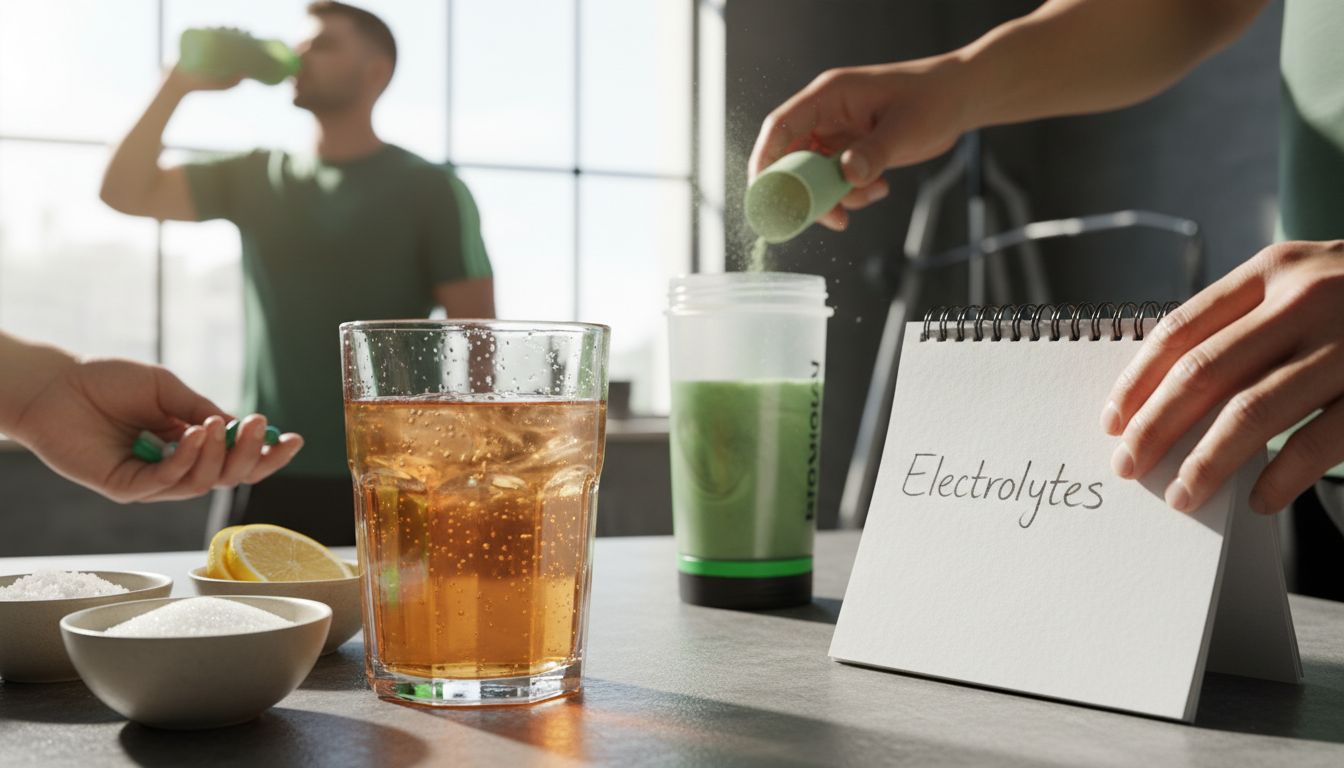
The primary ingredients work synergistically to support athletic performance. Sodium, a critical electrolyte, plays a pivotal role in fluid regulation. Scientific research indicates that solutions must contain at least 90mmol/L of sodium to maximise water absorption and maintain optimal cellular hydration. This precise sodium concentration helps prevent muscle cramps, supports nerve function, and ensures efficient fluid transportation across cell membranes.
Carbohydrates, usually in the form of glucose, serve multiple functions in isotonic drinks. They provide immediate energy for muscle function, help maintain blood sugar levels during intense exercise, and facilitate faster electrolyte absorption. The balanced carbohydrate content ensures athletes receive a steady energy stream without experiencing sudden spikes or crashes.
Key ingredients in most isotonic drinks include:
- Sodium chloride (table salt)
- Potassium
- Glucose or other simple sugars
- Water
- Optional trace minerals like magnesium and calcium
Additionally, many modern isotonic formulations incorporate advanced nutritional elements such as branched-chain amino acids, vitamins, and sometimes natural flavour enhancers to improve taste and provide supplementary nutritional benefits.
Types of Isotonic Drinks Available
Commercial isotonic drinks have evolved significantly, offering athletes and fitness enthusiasts a diverse range of hydration solutions tailored to specific performance needs. These beverages can be broadly categorised into ready-made sports drinks, specialised medical rehydration solutions, and homemade alternatives that provide essential electrolyte replacement during intense physical activity.
Popular commercial options include well-known sports drink brands like Powerade and Lucozade Sport, which are specifically designed to support athletic performance. These branded isotonic beverages come in various flavours and formulations, catering to different types of exercise intensities and individual metabolic requirements. Some specialised variants even include additional performance-enhancing ingredients like branched-chain amino acids or vitamins.
Beyond commercial sports drinks, there are targeted isotonic solutions with unique applications. Medical-grade isotonic solutions like St Mark’s solution are specifically developed for clinical rehydration scenarios, demonstrating the versatility of isotonic formulations beyond athletic contexts. For budget-conscious athletes, homemade isotonic drinks offer a cost-effective alternative that can be easily prepared using precise ratios of water, salt, and sugar.
Key types of isotonic drinks include:
- Commercial sports drinks
- Electrolyte replacement solutions
- Gel-based isotonic supplements
- Medical rehydration formulas
- Homemade electrolyte mixtures
Athletes can choose from these options based on their specific hydration needs, exercise intensity, personal taste preferences, and nutritional goals. The wide variety ensures that everyone from professional athletes to weekend fitness enthusiasts can find a suitable isotonic drink solution.
Benefits for Athletes and Active Lifestyles
Isotonic drinks play a critical role in supporting athletic performance and maintaining physiological balance during prolonged and intense physical activities. These specialised beverages are engineered to provide immediate and sustained hydration, helping athletes maintain optimal performance levels by rapidly replenishing essential electrolytes and nutrients lost through sweating.
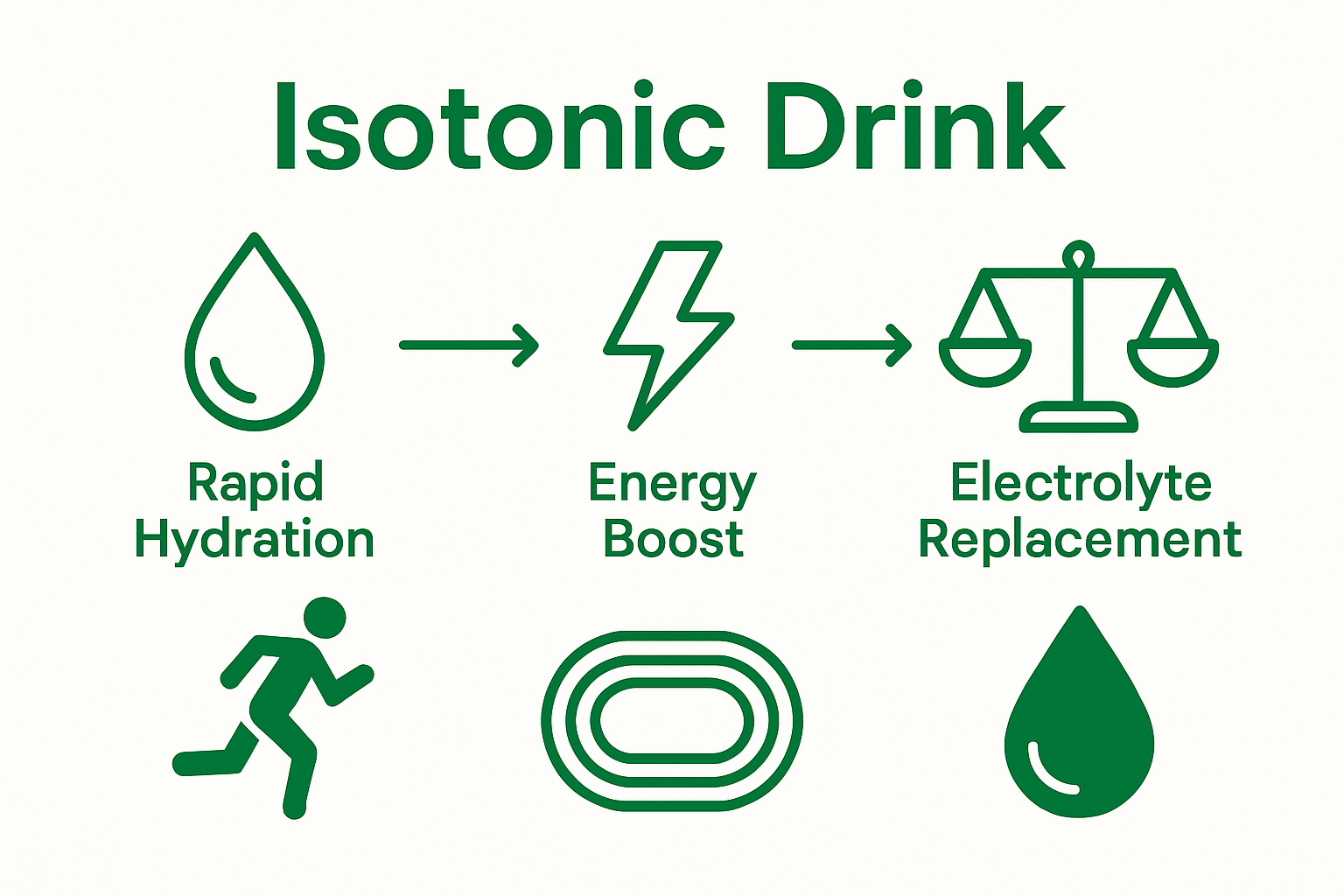
During extended exercise, consuming isotonic drinks can prevent dehydration and associated performance-limiting symptoms such as fatigue, muscle cramps, and reduced cognitive function. The carefully balanced composition of these drinks ensures rapid fluid absorption, helping athletes sustain energy levels, maintain concentration, and minimise the risk of exercise-induced exhaustion. This makes isotonic drinks particularly valuable for endurance sports, high-intensity training, and activities involving significant physical exertion.
Beyond immediate performance benefits, isotonic hydration strategies support long-term athletic development by promoting efficient recovery and reducing the physiological stress associated with intense training. Regular and strategic use of isotonic drinks can help athletes:
- Maintain consistent energy output
- Prevent electrolyte imbalances
- Support muscle function and reduce cramping
- Enhance overall training adaptability
- Accelerate post-exercise recovery processes
Whether you’re a professional athlete or a weekend fitness enthusiast, incorporating isotonic drinks into your hydration strategy can significantly improve your physical performance, endurance, and overall well-being.
When to Use and Potential Risks
Athletes should strategically consume isotonic drinks during longer physical activities, typically those exceeding two hours, to maintain optimal hydration and electrolyte balance. For shorter exercise sessions lasting less than an hour, water is often sufficient, and isotonic drinks may unnecessarily introduce extra calories and sugars into your nutritional intake.
While isotonic drinks offer significant performance benefits, they are not without potential risks. Excessive consumption can lead to unintended health complications such as stomach discomfort, particularly when drinks contain high levels of vitamin C or other concentrated nutrients. Individuals with specific medical conditions, such as diabetes or kidney issues, should consult healthcare professionals before incorporating isotonic drinks into their regular nutrition strategy.
Key considerations for safe and effective isotonic drink consumption include:
- Monitor total sugar and calorie intake
- Choose drinks appropriate to exercise duration
- Stay hydrated without overconsumption
- Consider individual metabolic needs
- Be aware of potential allergic reactions
Understanding your body’s unique hydration requirements is crucial. Professional athletes and fitness enthusiasts should view isotonic drinks as a targeted nutritional tool, not a universal solution, tailoring their intake to specific training intensities, durations, and personal physiological responses.
Optimise Your Hydration and Performance with Targeted Supplements
Understanding the importance of balanced electrolyte intake and rapid hydration during intense workouts is essential for every athlete striving to maintain peak performance. The article emphasises how isotonic drinks help prevent dehydration, muscle cramps, and fatigue through precise electrolyte and carbohydrate replacement. Yet, beyond these specialised beverages, supporting your body with the right range of supplements can further enhance endurance, recovery, and overall fitness goals.
Discover a comprehensive selection of nutritional products tailored to your active lifestyle at MyGymSupplements.shop. From electrolyte support and energy-boosting pre-workouts to recovery aids and essential vitamins multiple carefully formulated supplements complement the benefits of isotonic hydration. Take control of your performance strategy today by exploring products designed for muscle gain, weight management, and sustainable energy. Don’t wait to fuel your body with premium supplements crafted for your success visit MyGymSupplements.shop now and make hydration and nutrition work together perfectly.
Frequently Asked Questions
What are isotonic drinks?
Isotonic drinks are specially formulated beverages that contain a balance of water, electrolytes, and carbohydrates to match the body’s osmolarity, allowing for rapid fluid absorption and hydration during intense physical activity.
When should I consume isotonic drinks?
Isotonic drinks are ideal for consumption during longer physical activities, typically those lasting more than two hours. For shorter workouts, water is generally sufficient for hydration.
What benefits do isotonic drinks provide for athletes?
Isotonic drinks help prevent dehydration, maintain electrolyte balance, and enhance performance by providing rapid fluid absorption, energy support, and reducing risks of muscle cramps and fatigue during intense exercise.
What are the main ingredients in isotonic drinks?
Key ingredients in isotonic drinks usually include water, glucose, sodium, and potassium. Some formulations may also contain trace minerals like magnesium and calcium, along with optional vitamins for added nutritional benefits.
Recommended
- What Is Electrolyte Drink? Complete Guide UK – MyGymSupplements
- SIS Isotonic Gels: Fuel Your Performance Like a Pro – MyGymSupplements
- Why Powerade is Essential for Sports Hydration Success – MyGymSupplements
- Isolate Protein: Everything You Need to Know – MyGymSupplements
- Complete Guide to the Role of Diet in Detox - Mahoney inter

0 comments