

Over one third of British adults regularly take fish oil supplements, yet many misunderstand how these omega-3s really work. Deciding between different sources, concentrations, and types of omega-3 can confuse even well-informed consumers. This guide uncovers the science behind fish oil, exposes common misconceptions, and helps you separate fact from marketing—empowering British fitness enthusiasts and health-minded individuals to make better nutritional choices.
Table of Contents
- Fish Oil Explained And Common Misconceptions
- Omega-3 Types: Epa, Dha And Ala Differences
- How Fish Oil Supports Muscle Recovery
- Cardiovascular, Cognitive And Joint Health Benefits
- Safe Dosage, Risks And Side Effects
- Fish Oil Alternatives For Sports Nutrition
Key Takeaways
| Point | Details |
|---|---|
| Omega-3 Sources Matter | Fish oil, particularly from wild-caught sources, provides higher levels of bioavailable EPA and DHA compared to plant-based options. |
| Inflammation Reduction | Fish oil supplements are effective in reducing inflammation, enhancing muscle recovery, and improving overall athletic performance. |
| Safe Dosage is Crucial | Most adults can safely consume 250-500 mg of EPA and DHA daily, but higher doses should only be taken under professional guidance due to potential risks. |
| Consider Alternatives | Algal oil is a sustainable, plant-based alternative to fish oil, providing similar benefits for those avoiding animal products. |
Fish Oil Explained and Common Misconceptions
Fish oil represents a powerful nutritional supplement packed with essential omega-3 fatty acids, particularly EPA and DHA, which play critical roles in human physiology. Understanding the nuanced composition of fish oil reveals why these nutrients are so important for fitness enthusiasts and health-conscious individuals.
Contrary to popular belief, not all omega-3s are created equal. While plant-based sources like flaxseed contain ALA (alpha-linolenic acid), the human body struggles to convert this into the more bioavailable EPA and DHA found directly in fish oil. Research demonstrates that marine-sourced omega-3s have superior absorption rates, making them significantly more effective for supporting athletic performance and recovery.
Common misconceptions about fish oil often stem from misunderstandings about its physiological impacts. Many people believe fish oil supplements are interchangeable, but the quality, source, and concentration of omega-3s can dramatically influence their effectiveness. Key distinctions include:
- Purity: High-grade fish oils undergo molecular distillation to remove potential contaminants
- Concentration: Not all supplements offer equivalent EPA and DHA levels
- Source: Wild-caught fish typically provide more potent omega-3 profiles compared to farm-raised alternatives
Fitness enthusiasts should recognise that fish oil is more than just another supplement. It represents a strategic nutritional intervention supporting inflammation reduction, cardiovascular health, and potentially enhancing muscle protein synthesis. By selecting high-quality, concentrated omega-3 sources, athletes can optimise their supplementation strategy and support comprehensive physical performance.
Omega-3 Types: EPA, DHA and ALA Differences
Omega-3 fatty acids are not a singular entity but a complex family of essential nutrients with distinct characteristics and physiological impacts. Understanding the nuanced differences between ALA, EPA, and DHA is crucial for fitness enthusiasts seeking optimal nutritional strategies.
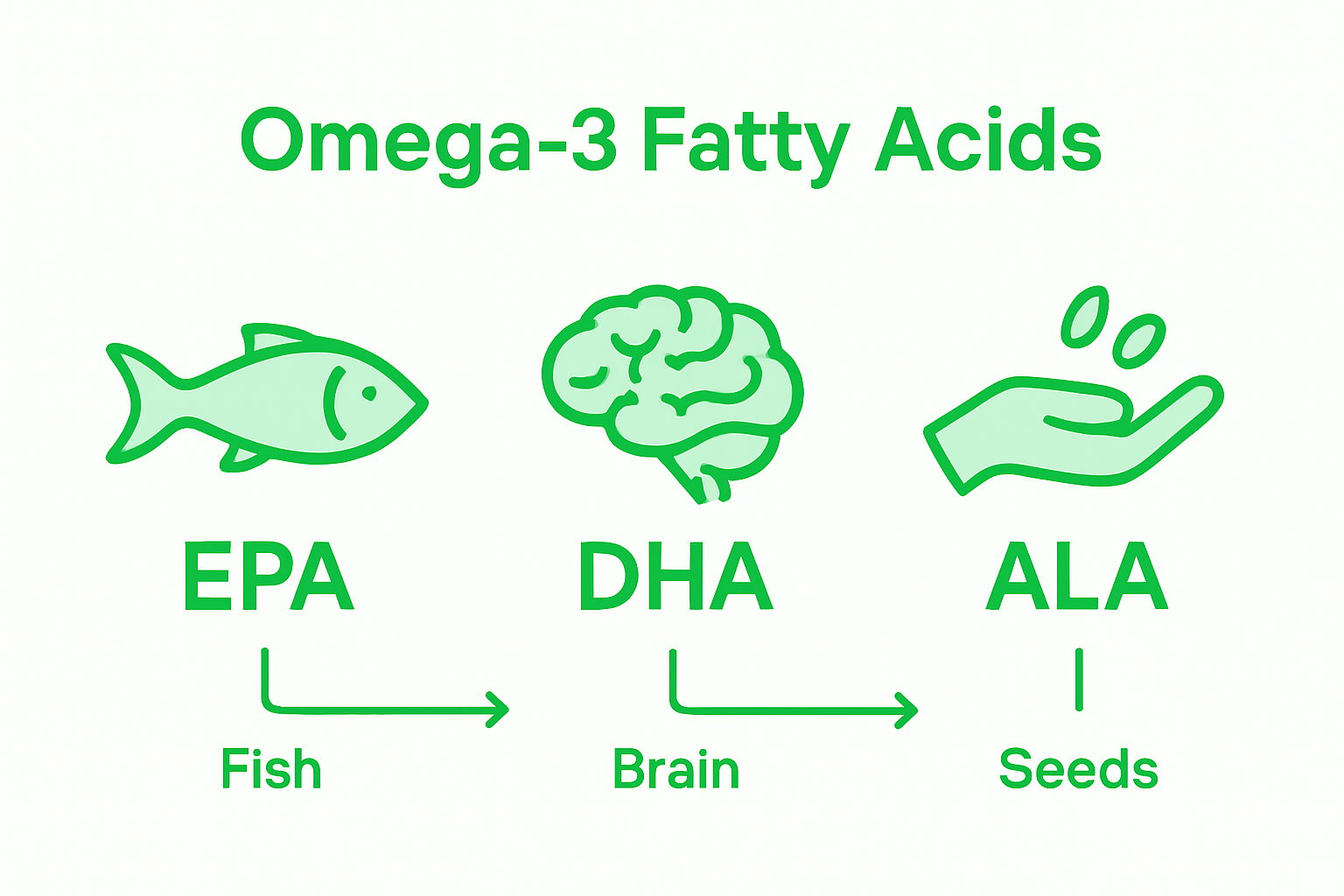
Alpha-linolenic acid (ALA) represents the plant-based omega-3, predominantly found in sources like flaxseed, chia seeds, and walnuts. However, ALA poses a significant metabolic challenge: the human body can only inefficiently convert it into the more biologically active EPA and DHA. Scientific research confirms that marine-sourced omega-3s provide more direct physiological benefits, making fish oil a superior supplementation choice.
The key omega-3 variants differ substantially in their functional roles:
-
ALA (Alpha-Linolenic Acid)
- Plant-based source
- Limited conversion to EPA and DHA
- Provides basic omega-3 nutritional support
-
EPA (Eicosapentaenoic Acid)
- Primarily found in marine sources
- Supports cardiovascular health
- Helps manage inflammatory responses
-
DHA (Docosahexaenoic Acid)
- Critical for brain and neural function
- Essential for muscle recovery
- Supports cellular membrane health
Fitness professionals should prioritise EPA and DHA intake, recognising that these omega-3 variants offer more immediate and comprehensive physiological benefits compared to plant-based ALA. By selecting high-quality marine omega-3 supplements, athletes can effectively support their performance, recovery, and overall metabolic function.
How Fish Oil Supports Muscle Recovery
Fish oil’s remarkable potential in muscle recovery extends far beyond simple supplementation, offering athletes a sophisticated nutritional strategy for optimising physical performance. Scientific research demonstrates the critical role of omega-3 fatty acids in reducing exercise-induced muscle damage, presenting a compelling argument for incorporating fish oil into fitness regimens.

The mechanism behind fish oil’s muscle recovery benefits is rooted in its powerful anti-inflammatory properties. Omega-3s, particularly EPA and DHA, work at the cellular level to modulate inflammatory responses, helping athletes manage post-exercise muscle soreness and accelerate recovery. This process is particularly crucial for individuals engaged in high-intensity training, where muscle microtrauma and subsequent inflammation can significantly impact performance and progression.
Key muscle recovery benefits of fish oil include:
- Reduced Inflammation: Suppresses pro-inflammatory markers
- Enhanced Protein Synthesis: Supports muscle tissue repair
- Improved Muscle Recovery Time: Accelerates healing processes
- Decreased Muscle Soreness: Minimises post-exercise discomfort
Fitness enthusiasts can strategically leverage fish oil supplementation by integrating it with comprehensive post-workout recovery strategies, ensuring a holistic approach to muscle maintenance and athletic performance. By understanding and utilising the nuanced benefits of omega-3 fatty acids, athletes can potentially transform their recovery protocols and achieve more consistent, sustainable training outcomes.
Cardiovascular, Cognitive and Joint Health Benefits
Fish oil transcends traditional supplementation, offering a multifaceted approach to holistic health that extends far beyond muscle recovery. Comprehensive scientific research reveals the profound impact of omega-3 fatty acids on cardiovascular, cognitive, and joint wellness, presenting a compelling narrative for fitness enthusiasts seeking comprehensive physiological optimisation.
At the cardiovascular level, EPA and DHA work synergistically to support heart health through multiple mechanisms. These omega-3 fatty acids help lower triglyceride levels, reduce inflammation in blood vessels, and potentially mitigate the risk of cardiovascular complications. Advanced nutritional research demonstrates how omega-3s contribute to cellular membrane integrity and overall metabolic function, making them a critical component of preventative health strategies.
The multisystem benefits of fish oil can be categorised into key health domains:
-
Cardiovascular Support
- Reduces triglyceride levels
- Supports healthy blood pressure
- Improves arterial elasticity
-
Cognitive Function
- Maintains neuronal membrane health
- Supports memory and mental clarity
- Potentially reduces age-related cognitive decline
-
Joint Health
- Reduces inflammatory markers
- Supports cartilage maintenance
- Potentially alleviates arthritis symptoms
Fitness enthusiasts can enhance their overall wellness by integrating fish oil with targeted nutritional strategies that support bone and heart health, creating a comprehensive approach to long-term physical performance and well-being.
Safe Dosage, Risks and Side Effects
Comprehensive research on fish oil supplementation reveals critical insights into safe consumption practices that fitness enthusiasts must understand. While omega-3 fatty acids offer substantial health benefits, responsible supplementation requires careful consideration of dosage, potential interactions, and individual physiological factors.
General recommendations suggest most healthy adults can safely consume between 250-500 milligrams of combined EPA and DHA daily, with some athletes and individuals with specific health conditions potentially benefiting from higher doses under professional guidance. However, exceeding 3 grams of fish oil per day without medical supervision can increase risks of bleeding complications, particularly for individuals taking blood-thinning medications or with pre-existing cardiovascular conditions.
Potential side effects and risks associated with fish oil supplementation include:
-
Digestive Discomfort
- Mild stomach upset
- Occasional diarrhoea
- Fishy burp or aftertaste
-
Blood Thinning Risks
- Increased bleeding potential
- Potential interactions with anticoagulant medications
- Reduced platelet aggregation
-
Quality and Contamination Concerns
- Potential mercury exposure
- Oxidation of low-quality supplements
- Variability in manufacturing standards
Individuals with specific health conditions, those on medication, or pregnant women should consult healthcare professionals before initiating fish oil supplementation, ensuring personalised and safe nutritional strategies that align with their unique physiological requirements.
Fish Oil Alternatives for Sports Nutrition
Contemporary sports nutrition research highlights several compelling omega-3 alternatives that cater to diverse dietary preferences and nutritional requirements. Athletes seeking omega-3 supplementation now have multiple options beyond traditional fish oil, enabling more personalised and inclusive nutritional strategies.
Algal oil emerges as a standout alternative, offering a plant-based source of EPA and DHA that matches many benefits of fish oil. Derived directly from marine algae, this supplement provides a sustainable and vegetarian-friendly omega-3 source that circumvents potential concerns about fish-based products. Importantly, algal oil delivers comparable quantities of essential fatty acids, making it an excellent option for vegan athletes, those with seafood allergies, or individuals seeking environmentally conscious nutritional solutions.
Key omega-3 alternatives include:
-
Algal Oil
- 100% plant-based
- Direct source of EPA and DHA
- Environmentally sustainable
-
Flaxseed Oil
- High in ALA omega-3
- Suitable for plant-based diets
- Lower conversion efficiency
-
Chia Seed Oil
- Rich in plant-based omega-3
- Additional nutritional benefits
- Supports overall wellness
Fitness enthusiasts can explore comprehensive sports nutrition strategies to determine the most appropriate omega-3 supplementation approach, considering individual health goals, dietary restrictions, and metabolic requirements.
Unlock the Full Potential of Fish Oil for Your Fitness Journey
If you want to tackle inflammation, speed up muscle recovery, and support your heart and brain health with precision, high-quality fish oil supplementation is an essential part of your strategy. This article highlights common challenges such as confusing omega-3 types and dosage concerns that many fitness enthusiasts face. At MyGymSupplements.shop, we understand how vital it is to choose purified, concentrated EPA and DHA sources that align perfectly with your workout demands and recovery goals.

Experience the benefits of premium fish oil supplements that meet strict quality standards and help you reduce post-exercise soreness while boosting overall well-being. Browse our carefully selected range of omega-3 products along with other performance recovery aids designed specifically for active lifestyles. Take control of your fitness progress today by visiting MyGymSupplements.shop and securing the right supplements for your path to optimal health and peak performance.
Frequently Asked Questions
What are the key benefits of fish oil for fitness enthusiasts?
Fish oil provides essential omega-3 fatty acids, particularly EPA and DHA, which support muscle recovery, reduce inflammation, and promote cardiovascular health, enhancing overall athletic performance.
How does fish oil aid in muscle recovery after exercise?
Fish oil helps reduce exercise-induced muscle damage by modulating inflammatory responses, which can minimise muscle soreness, accelerate recovery, and enhance protein synthesis in muscle tissues.
What dosage of fish oil is considered safe for most adults?
Most healthy adults can safely consume between 250-500 milligrams of combined EPA and DHA daily. However, individuals should consult healthcare professionals for higher doses, especially if they have specific health conditions.
What are some alternatives to fish oil for omega-3 supplementation?
Alternatives to fish oil include algal oil, a vegetarian source of EPA and DHA, as well as flaxseed and chia seed oils, which are high in ALA but have lower conversion efficiencies to EPA and DHA.
Recommended
- 7 Top Antioxidant Supplements for Fitness Enthusiasts – MyGymSupplements
- How to Set Fitness Goals for Maximum Results – MyGymSupplements
- Complete Guide to Functional Foods for Fitness – MyGymSupplements
- 7 Key Advantages of Multivitamins for Fitness Success – MyGymSupplements
- Understanding Fish Oil for Hair Loss: What It Is and How It Works | MyHair

0 comments