

Most british athletes push their bodies to the limit, yet few realize that intense training can lead to a substantial loss of vital minerals. Missing out on zinc and magnesium may quietly sabotage muscle recovery and athletic progress. ZMA combines these minerals with vitamin B6 to offer targeted nutritional support that goes beyond what traditional sports supplements provide. Understanding how this science-backed blend works can transform the way british sports enthusiasts approach post-workout recovery.
Table of Contents
- ZMA Explained: The Core Ingredients
- How ZMA Supports Muscle Recovery
- Dispelling ZMA Myths and Misconceptions
- Dosage, Timing, and Safety Considerations
- Comparing ZMA With Other Recovery Supplements
Key Takeaways
| Point | Details |
|---|---|
| Composition of ZMA | ZMA is a blend of zinc monomethionine aspartate, magnesium aspartate, and vitamin B6, designed to enhance athletic performance and recovery. |
| Role in Muscle Recovery | ZMA aids muscle recovery by replenishing minerals lost during exercise, potentially improving sleep quality and hormonal balance. |
| Myths and Expectations | It is essential to approach ZMA with realistic expectations, as it is not a miracle supplement for performance enhancement. |
| Dosage and Timing | For optimal effectiveness, ZMA should be taken on an empty stomach, approximately 30 minutes before bedtime, avoiding calcium-rich foods. |
ZMA Explained: The Core Ingredients
ZMA is a strategic nutritional supplement combining three essential minerals designed to support athletic performance and muscle recovery. The core composition includes zinc monomethionine aspartate, magnesium aspartate, and vitamin B6 (pyridoxine hydrochloride), carefully formulated to enhance physiological functions critical for athletes and fitness enthusiasts.
The precise combination targets specific metabolic pathways, with each ingredient playing a unique role. Zinc supports testosterone production and immune function, magnesium aids muscle relaxation and energy metabolism, while vitamin B6 facilitates protein metabolism and neurotransmitter synthesis. This synergistic blend helps athletes optimise their nutritional foundation for peak performance.
The standard ZMA formulation typically contains:
- 30 mg of zinc monomethionine aspartate
- 450 mg of magnesium aspartate
- 10.5 mg of vitamin B6
Magnesium supplementation becomes particularly crucial for athletes experiencing significant mineral loss through intense training and sweating. By replenishing these key minerals, ZMA supports muscle recovery, potentially improving sleep quality and overall athletic resilience.
How ZMA Supports Muscle Recovery
Muscle recovery represents a critical phase for athletes seeking optimal performance, and ZMA offers a strategic approach to supporting this essential process. Muscle recovery involves complex physiological mechanisms that require precise nutritional intervention, making ZMA an intriguing supplement for fitness enthusiasts.
Research indicates that intense exercise can significantly deplete zinc and magnesium levels, creating a potential recovery bottleneck. ZMA supplementation helps replenish these critical minerals, with studies suggesting potential benefits such as:
- Enhanced sleep quality
- Improved muscle repair mechanisms
- Reduced exercise-induced mineral depletion
- Support for hormone regulation
The supplement’s unique composition provides targeted support for athletes. Amino acids play a crucial role in muscle recovery, and ZMA’s mineral blend helps create an optimal internal environment for protein synthesis and muscle tissue repair. By potentially improving sleep patterns and supporting hormonal balance, ZMA offers a holistic approach to post-exercise recovery that goes beyond simple mineral replacement.

Dispelling ZMA Myths and Misconceptions
Numerous misconceptions surround ZMA supplementation, with many athletes holding unrealistic expectations about its capabilities. Key nutrients play crucial roles in muscle development, but ZMA is not a magic solution for instantaneous performance enhancement.
Research challenges several prevalent myths about ZMA. Scientific studies indicate that ZMA supplementation may not dramatically impact hormone levels, contrary to popular claims. Specifically, research suggests that ZMA does not significantly alter:
- Total testosterone levels
- Free testosterone production
- Growth hormone secretion
- Muscle enzyme responses
While ZMA offers potential benefits, it is not a universal performance enhancer. The supplement remains safe when consumed at recommended dosages, but athletes should approach it with realistic expectations. Understanding that ZMA is a supportive nutritional tool, rather than a performance miracle, helps prevent disappointment and promotes more balanced supplement strategies for overall athletic development.
Dosage, Timing, and Safety Considerations
ZMA supplementation requires careful consideration of dosage, absorption, and potential interactions to maximise its effectiveness and minimise potential risks. Multivitamin supplementation demands strategic planning for optimal results, and ZMA is no exception.
Manufacturers recommend consuming ZMA approximately 30 minutes before bedtime on an empty stomach to enhance mineral absorption and synchronise with natural sleep cycles. Critical timing considerations include:
- Avoiding calcium-rich foods or supplements
- Taking on an empty stomach
- Consuming 30 minutes prior to sleep
- Maintaining consistent supplementation schedule
Standard ZMA formulations typically include 30 mg of zinc, 450 mg of magnesium, and 10.5 mg of vitamin B6. While generally considered safe, athletes should consult healthcare professionals before starting any new supplement regimen, particularly those with pre-existing health conditions or taking medications that might interact with mineral supplements. Individual tolerance and absorption can vary, making personalised guidance crucial for safe and effective supplementation.
Comparing ZMA With Other Recovery Supplements
Athletes exploring recovery supplementation face a complex landscape of nutritional options, with ZMA offering a unique approach to muscle restoration and performance support. Performance enhancers come in various forms, each targeting different physiological mechanisms.
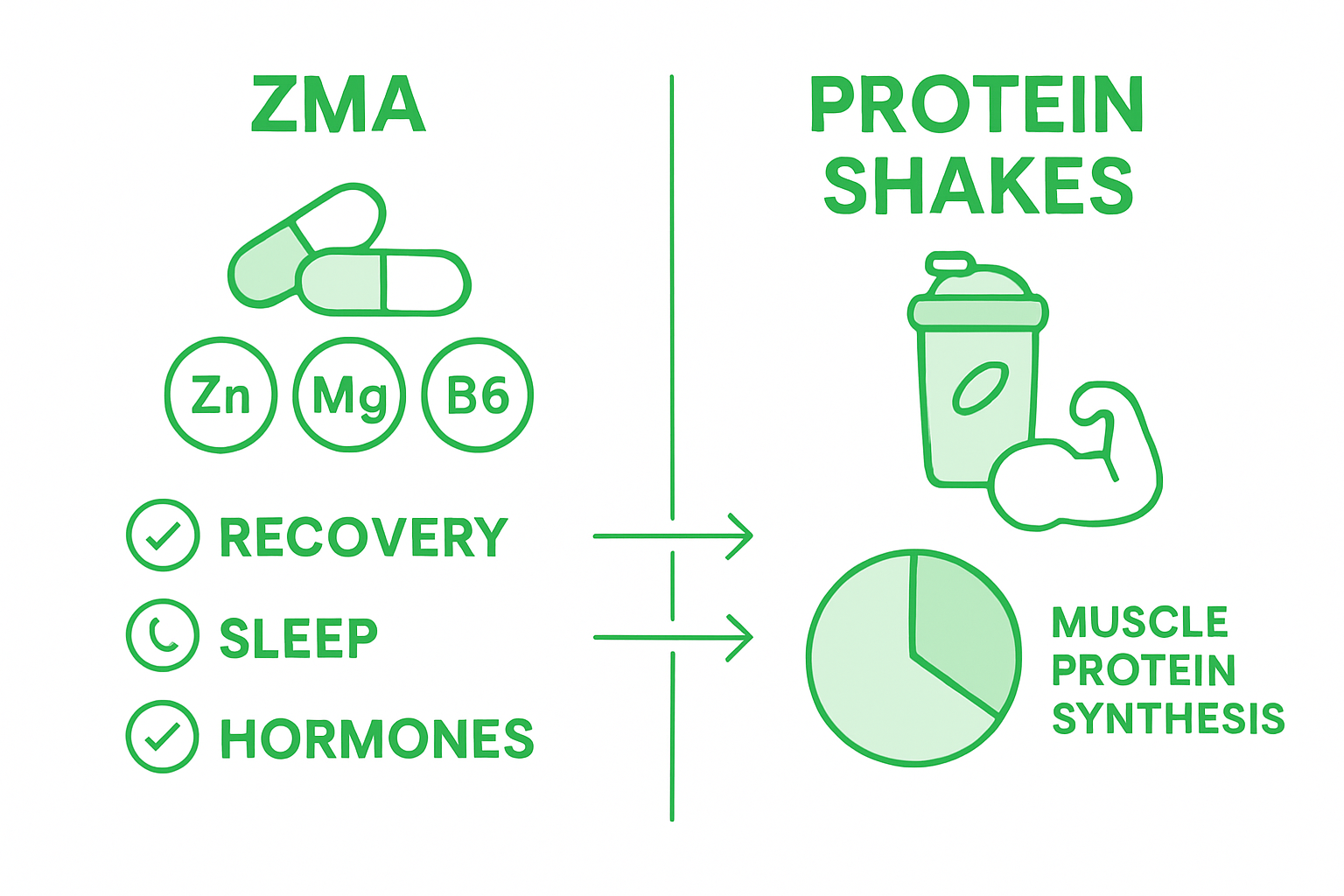
Research indicates that ZMA differs from traditional recovery supplements by focusing on mineral replenishment, particularly zinc and magnesium levels depleted during intense training. Key distinctions include:
- Targeted mineral restoration
- Sleep quality enhancement
- Hormonal balance support
- Metabolic function optimisation
Whereas protein-based recovery supplements primarily focus on muscle protein synthesis, ZMA offers a more holistic approach. Muscle recovery involves complex nutritional strategies, and ZMA provides a complementary method by addressing underlying mineral deficiencies that traditional protein supplements might overlook. This nuanced approach makes ZMA a valuable addition to an athlete’s recovery toolkit, rather than a direct replacement for other recovery nutrition strategies.
Unlock Your Full Recovery Potential with ZMA and Expert Supplements
If you are serious about muscle recovery, hormone support, and improving your sleep quality after intense training sessions ZMA can be a valuable addition to your nutritional strategy. This supplement addresses the common challenge of mineral depletion—especially zinc and magnesium—that many athletes face, yet it works best when combined with a well-rounded supplement plan focused on recovery and performance.

Explore our wide range of health & wellbeing items designed to complement ZMA by providing essential vitamins and minerals tailored for your personal goals. Visit MyGymSupplements.shop now to find expertly formulated products that support muscle repair and optimise your internal environment. Take control of your recovery today and experience the difference that a targeted approach to supplementation can make.
Frequently Asked Questions
What is ZMA and what are its core ingredients?
ZMA is a nutritional supplement that combines three essential minerals: zinc monomethionine aspartate, magnesium aspartate, and vitamin B6. These ingredients support athletic performance, muscle recovery, and overall health.
How does ZMA support muscle recovery?
ZMA helps replenish zinc and magnesium levels that can be depleted during intense exercise. This supplementation can enhance sleep quality, improve muscle repair mechanisms, and support hormone regulation, all of which are crucial for effective recovery.
What is the recommended dosage and timing for taking ZMA?
It is recommended to take ZMA 30 minutes before bedtime on an empty stomach. A standard dosage typically includes 30 mg of zinc, 450 mg of magnesium, and 10.5 mg of vitamin B6 to maximise absorption and effectiveness.
Can ZMA replace other recovery supplements?
ZMA focuses on mineral replenishment and supports hormone balance, making it a complementary addition to an athlete’s recovery routine. While it is beneficial for addressing mineral deficiencies, it should not replace protein-based recovery supplements that promote muscle protein synthesis.
Recommended
- 7 Key Nutrients for Muscle Growth Every Athlete Needs – MyGymSupplements
- 7 Key Advantages of Multivitamins for Fitness Success – MyGymSupplements
- 7 Best Amino Acids for Recovery Every Athlete Should Know – MyGymSupplements
- 7 Top Antioxidant Supplements for Fitness Enthusiasts – MyGymSupplements
- 7 rodzajów suplementów dla sportowców – co wybrać? - zdrowepreparaty.pl

0 comments