

Many british athletes and fitness enthusiasts underestimate the impact of protein timing on muscle recovery and growth. Research shows that casein protein can deliver amino acids to muscles for up to 7 hours, offering a unique edge in sustained nutritional support. Understanding how this slow-absorbing milk protein works, its key benefits, and how it compares with other protein sources empowers anyone looking to support muscle maintenance and make confident choices in their nutrition routine.
Table of Contents
- Understanding Casein Protein and Its Function
- Types of Casein Protein and Their Distinctions
- How Casein Protein Supports Muscle Growth
- Absorption Rate and Best Timing for Use
- Casein Protein vs Whey: Key Differences
- Regulations and Safety for UK Consumers
Key Takeaways
| Point | Details |
|---|---|
| Casein Protein Overview | Casein is a slow-digesting, complete protein from milk, ideal for prolonged muscle recovery and preventing muscle breakdown. |
| Types of Casein | Micellar casein is the most effective for sustained amino acid supply, while calcium and sodium caseinates offer alternative digestibility and mixing properties. |
| Timing for Use | Consuming casein before sleep or extended periods without food optimises muscle preservation and recovery. |
| Casein vs Whey | Casein releases amino acids slowly over 6-8 hours, making it suitable for long-term muscle maintenance, while whey is best for immediate post-workout recovery. |
Understanding Casein Protein and Its Function
Casein protein is a complex, slow-digesting protein derived from milk that plays a critical role in muscle recovery and nutritional support. Unlike fast-absorbing proteins like whey, casein forms a gel-like substance in the stomach, which leads to a gradual and sustained release of amino acids into the bloodstream.
At its core, casein is a complete protein containing all nine essential amino acids necessary for human physiological functions. Its unique molecular structure allows for prolonged amino acid delivery which makes it particularly effective for muscle protein synthesis and preventing muscle breakdown. Research indicates that casein’s slow digestion rate can provide amino acids to muscle tissues for up to 7 hours after consumption, making it an ideal protein source for periods of extended metabolic recovery.
The primary benefit of casein lies in its ability to create a sustained nutrient environment within the body. When consumed, particularly before bedtime or during extended periods without food, casein helps maintain a positive protein balance. This mechanism supports muscle preservation and gradual protein synthesis, which is crucial for athletes and individuals engaged in intense physical training. Scientific studies have consistently demonstrated that casein’s prolonged amino acid release can significantly reduce muscle protein breakdown and support long-term muscle growth and recovery.
While casein offers remarkable benefits, it’s important to understand its specific applications. It works best when strategically integrated into a balanced nutrition plan, complementing other protein sources and aligned with individual fitness goals. For those seeking optimal muscle maintenance and growth, understanding how to leverage casein’s unique protein profile can be a game-changing nutritional strategy.
Types of Casein Protein and Their Distinctions
Casein protein exists in several distinct forms, each with unique characteristics and metabolic impacts. The primary types include micellar casein, calcium caseinate, and sodium caseinate, which differ significantly in their structural composition and physiological interactions within the body.
The most notable variant is micellar casein, a native protein structure that naturally coagulates in the stomach, creating a slow-release mechanism for amino acids. Micellar casein maintains its original molecular configuration, forming microscopic spherical structures called micelles that gradually break down during digestion. This unique characteristic makes it exceptionally effective for prolonged muscle protein synthesis, particularly during periods of rest or overnight recovery.

Another important form is calcium caseinate, which undergoes additional processing to improve solubility and digestibility. Unlike micellar casein, calcium caseinate is chemically altered, resulting in a protein that disperses more readily in liquids and potentially offers a slightly faster absorption rate. Sodium caseinate represents a similar processed variant, typically used in food manufacturing and sports nutrition supplements due to its enhanced mixing properties and neutral flavour profile.
Each casein type offers distinct advantages for athletes and fitness enthusiasts. Micellar casein remains the gold standard for sustained protein delivery, while calcium and sodium caseinates provide more versatile protein options for those seeking different nutritional strategies. Understanding these variations allows individuals to strategically select the most appropriate casein protein based on their specific metabolic needs, training objectives, and recovery goals.
How Casein Protein Supports Muscle Growth
Muscle growth represents a complex physiological process where protein synthesis plays a critical role, and casein protein emerges as a strategic ally in supporting this intricate metabolic mechanism. Muscle protein maintenance occurs through a delicate balance of protein breakdown and synthesis, with casein providing a unique nutritional approach to supporting this balance.
The fundamental mechanism of casein’s muscle support lies in its extraordinary amino acid release profile. Unlike rapid-absorbing proteins, casein provides a sustained, gradual nutrient delivery that helps maintain a positive protein balance over extended periods. Scientific research demonstrates that casein’s slow digestion creates an environment where muscle tissues receive a consistent stream of amino acids, effectively reducing muscle protein breakdown and supporting prolonged muscle protein synthesis. This characteristic makes casein especially valuable during periods of metabolic stress, such as overnight fasting or between meals.
Specifically, casein protein contributes to muscle growth through several critical pathways. Its rich amino acid composition, particularly leucine, stimulates muscle protein synthesis signals, while the prolonged release mechanism ensures these signals remain active for much longer compared to faster-absorbing protein sources. Athletes and fitness enthusiasts can strategically leverage this property by consuming casein before extended periods of rest, such as bedtime, to maximise muscle recovery and growth potential.
While casein may not trigger muscle protein synthesis as rapidly as whey protein, its sustained release offers unique advantages for long-term muscle maintenance and growth. By providing a steady supply of amino acids, casein helps create an optimal anabolic environment, supporting muscle preservation during periods of reduced nutritional intake and promoting continuous muscle protein synthesis. This makes it an invaluable nutritional strategy for individuals seeking comprehensive muscle development and recovery support.
Absorption Rate and Best Timing for Use
Protein absorption is a nuanced physiological process, and casein protein distinguishes itself through its remarkably unique metabolic profile. Protein timing and absorption strategies play a critical role in muscle recovery and growth, with casein offering a distinctive approach to nutrient delivery that sets it apart from other protein sources.
Casein’s absorption rate is characterised by an extraordinarily slow and sustained release mechanism. Unlike rapidly absorbing proteins that flood the bloodstream with amino acids within 20-40 minutes, casein forms a gel-like substance in the digestive system, which gradually breaks down over 6-8 hours. This prolonged digestion creates a steady amino acid environment that helps maintain muscle protein synthesis during extended periods of metabolic rest, such as overnight sleep or between meals.
The optimal timing for casein consumption strategically aligns with periods of anticipated nutrient deprivation. Most athletes and fitness enthusiasts find consuming casein approximately 30-45 minutes before bedtime particularly beneficial, as it provides a consistent amino acid supply throughout the night. This nighttime protein strategy helps counteract muscle protein breakdown, supporting recovery and preventing potential muscle catabolism during the body’s natural fasting state. Additionally, casein can be effective when consumed during long intervals between meals, ensuring a consistent nutrient stream and preventing potential muscle breakdown.
While casein’s slow absorption makes it less ideal for immediate post-workout recovery compared to faster-absorbing proteins, it excels in maintaining a prolonged anabolic state. Its unique metabolic properties make it an exceptional protein source for individuals seeking sustained muscle preservation, particularly during periods of reduced nutritional intake or extended rest. Athletes can leverage this characteristic by incorporating casein strategically into their nutritional protocols, maximising muscle maintenance and growth potential.
Casein Protein vs Whey: Key Differences
Protein supplementation represents a nuanced nutritional strategy, with whey and casein emerging as two distinctly different protein sources that serve unique physiological purposes. Understanding the fundamental differences between protein types helps athletes optimise their nutritional approach, particularly when designing targeted muscle recovery and growth protocols.
The primary distinction lies in their absorption kinetics and metabolic impact. Whey protein is characterised by its rapid digestion, causing an immediate surge of amino acids into the bloodstream within 20-40 minutes. This quick absorption makes whey ideal for post-workout recovery, triggering an immediate muscle protein synthesis response. In contrast, casein undergoes a dramatically different metabolic process, forming a gel-like substance in the stomach that gradually releases amino acids over 6-8 hours, creating a sustained nutrient delivery mechanism.
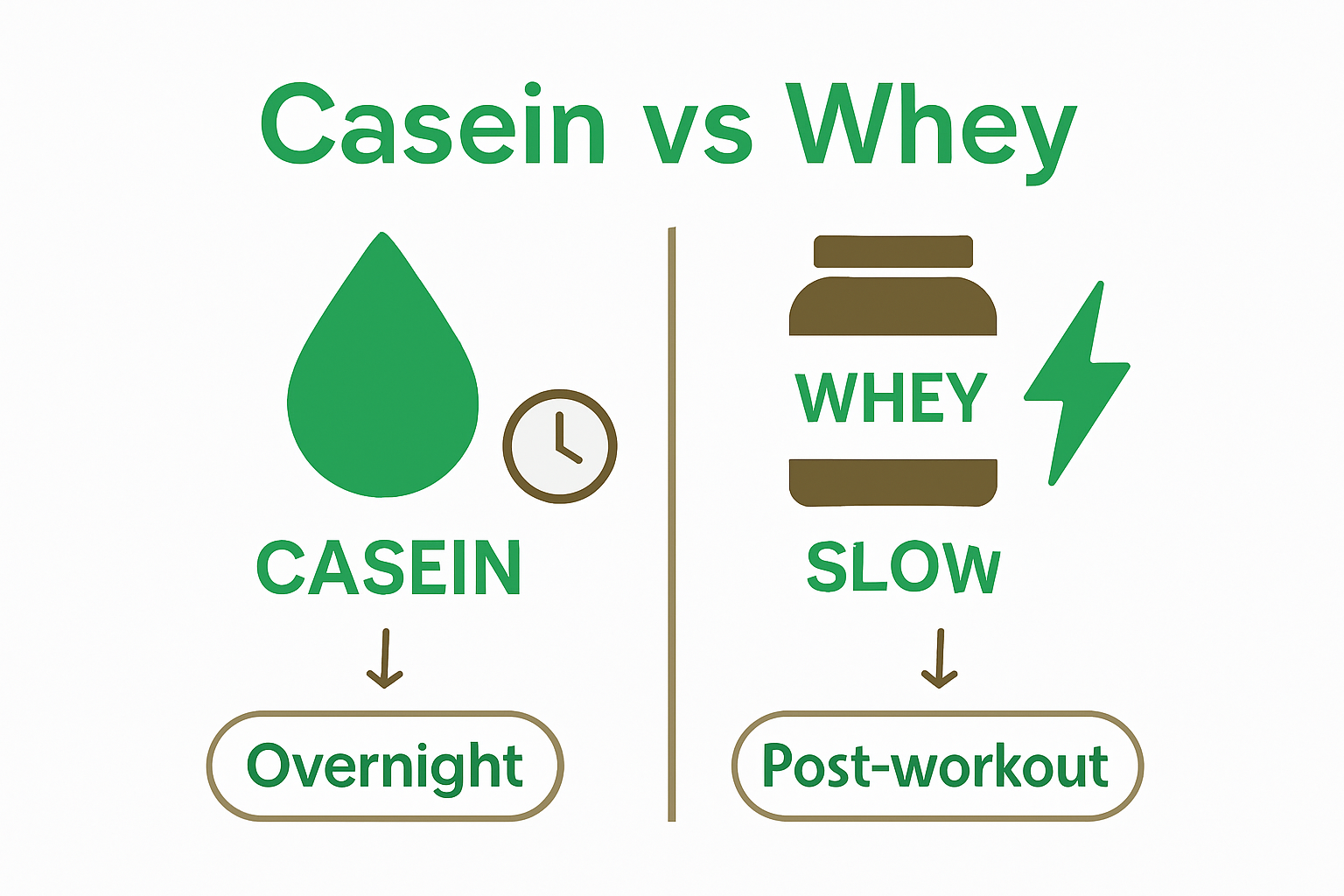
Nutritional timing further differentiates these protein sources. Whey protein functions best immediately following exercise, when the body’s muscle protein synthesis mechanisms are most receptive. Casein, conversely, excels during prolonged periods of metabolic rest, such as overnight sleep or extended intervals between meals. Its slow-release properties help maintain a consistent amino acid environment, preventing muscle protein breakdown and supporting continuous muscle preservation.
While both proteins offer essential amino acids, they are not interchangeable. Whey provides a rapid anabolic boost, whereas casein delivers prolonged nutritional support. Athletes and fitness enthusiasts can strategically leverage both proteins by incorporating them at different times: whey for immediate post-workout recovery and casein for sustained muscle maintenance during periods of metabolic downtime. This complementary approach maximises muscle protein synthesis and supports comprehensive muscle development and recovery strategies.
Regulations and Safety for UK Consumers
Nutritional supplements occupy a complex regulatory landscape in the United Kingdom, with specific guidelines governing protein products like casein to ensure consumer safety and product quality. Understanding supplement regulations helps consumers make informed purchasing decisions, protecting both health interests and legal compliance.
In the UK, dietary supplements fall under the jurisdiction of the Food Standards Agency (FSA) and the Medicines and Healthcare products Regulatory Agency (MHRA). These regulatory bodies enforce stringent standards for protein supplement manufacturing, requiring manufacturers to adhere to Good Manufacturing Practices (GMP). This means casein protein products must undergo rigorous quality control processes, including testing for contaminants, verifying protein content accuracy, and ensuring consistent product composition. Consumers should look for products displaying certification marks that indicate compliance with these national regulatory standards.
Supplementary protein products like casein are classified as food supplements, which means they are subject to specific labelling requirements. Manufacturers must provide comprehensive ingredient lists, nutritional information, recommended serving sizes, and clear allergen warnings. For casein specifically, this includes declaring milk-derived protein sources and potential cross-contaminants. UK consumers are protected by consumer protection laws that mandate transparent product information, enabling individuals to make safe and informed nutritional choices.
While regulations provide a robust framework for product safety, individual consumers should still exercise personal due diligence. This involves consulting healthcare professionals before introducing new supplements, particularly for individuals with pre-existing health conditions, allergies, or specific dietary requirements. Responsible supplement use combines regulatory compliance with personal health awareness, ensuring that nutritional strategies support individual wellness goals effectively and safely.
Unlock the Power of Casein for Lasting Muscle Growth and Recovery
Understanding the unique benefits of casein protein is essential for anyone serious about maximising muscle preservation and recovery. The article highlights the importance of its slow digestion and sustained amino acid release which is perfect to support your muscles during extended rest periods like overnight. If you want to prevent muscle breakdown and promote continuous growth, integrating casein into your routine is key to achieving those fitness goals.

Explore our wide range of protein supplements at MyGymSupplements.shop, where you can find high-quality casein options alongside other proteins tailored for muscle gain and recovery. Don’t wait to optimise your nutrition with slow-release proteins designed to work while you rest. Visit MyGymSupplements.shop now to choose the best casein products and boost your muscle health with scientifically backed nutrition. For detailed insights and selections, discover more about the types of protein supplements and how to time your protein intake perfectly in your training regime.
Frequently Asked Questions
What is casein protein and how does it work?
Casein protein is a slow-digesting protein derived from milk that forms a gel-like substance in the stomach, leading to a gradual release of amino acids into the bloodstream. This property makes it effective for muscle recovery and maintaining a positive protein balance.
How does casein protein support muscle growth compared to whey?
Casein protein provides a sustained release of amino acids, which helps prevent muscle breakdown and supports continuous muscle protein synthesis over extended periods. In contrast, whey protein absorbs quickly, making it ideal for immediate recovery post-exercise.
What are the different types of casein protein and their benefits?
The main types of casein protein are micellar casein, calcium caseinate, and sodium caseinate. Micellar casein is the gold standard for sustained protein delivery, while calcium and sodium caseinates are more soluble and disperse easily, offering versatility in supplementation.
When is the best time to consume casein protein?
The optimal time to consume casein protein is approximately 30-45 minutes before bedtime, as this provides a continuous supply of amino acids throughout the night, supporting muscle recovery. It can also be beneficial during extended periods between meals.

0 comments