

Most British fitness enthusiasts are overlooking a key factor in their training results. Studies show that a healthy gut can impact everything from energy levels to recovery speed, yet digestion often gets pushed aside in nutrition plans. With demand rising for smarter ways to boost performance, understanding how prebiotic supplements nourish your gut could make all the difference in your workout routine and long-term progress.
Table of Contents
- Prebiotics Defined For Fitness Enthusiasts
- Main Types Of Prebiotics In Supplements
- How Prebiotics Benefit Gut Health
- Role Of Prebiotics In Athletic Performance
- Risks And Choosing Safe Prebiotic Supplements
Key Takeaways
| Point | Details |
|---|---|
| Prebiotics Support Gut Health | Prebiotics are crucial for stimulating beneficial gut bacteria, improving digestive function and supporting athletic performance. |
| Diverse Prebiotic Types | Varieties like Galacto-oligosaccharides, Fructo-oligosaccharides, and Inulin offer unique benefits; combining them may enhance overall gut health. |
| Careful Supplement Selection | Opt for prebiotic supplements with third-party testing and transparency to ensure safety and efficacy, especially for athletes. |
| Integration into Nutrition Plans | Gradually incorporate prebiotic-rich foods or supplements into your diet to enhance gut microbiome support for better athletic performance. |
Prebiotics Defined for Fitness Enthusiasts
Prebiotics are specialised nutritional compounds that support beneficial gut bacteria, playing a critical role in athletic performance and overall digestive health. Unlike probiotics, which introduce new bacteria, prebiotics serve as targeted nutrition for existing healthy microorganisms in your digestive system.
At their core, prebiotics are non-digestible food ingredients that selectively stimulate growth and activity of beneficial gut microbes. Specific metabolic processes support athletic performance through enhanced gut microbiome function, enabling more efficient nutrient absorption and energy metabolism for fitness enthusiasts.
For athletes and gym-goers, prebiotics offer multiple performance-related benefits. Consuming prebiotic fibres helps maintain a balanced gut microbiome, which translates into improved nutrient uptake, reduced inflammation, and faster recovery times. The microbes nourished by prebiotics produce short-chain fatty acids that support immune function, regulate metabolism, and potentially enhance overall physical resilience.
Pro Tip: Start incorporating prebiotic-rich foods like garlic, onions, leeks, and bananas into your nutrition plan to naturally support your gut health and athletic performance.
Main Types of Prebiotics in Supplements
Prebiotics are diverse compounds with unique characteristics that support gut health and athletic performance. The primary types of prebiotics found in fitness supplements include Galacto-oligosaccharides (GOS), Fructo-oligosaccharides (FOS), and Inulin, each offering specific benefits for athletes and fitness enthusiasts.
Different prebiotic types play crucial roles in supporting metabolic processes and athletic performance, with each variant demonstrating unique fermentation properties and microbiome interactions. Galacto-oligosaccharides are particularly effective at stimulating beneficial bacterial growth, while Fructo-oligosaccharides excel at promoting digestive health and nutrient absorption.
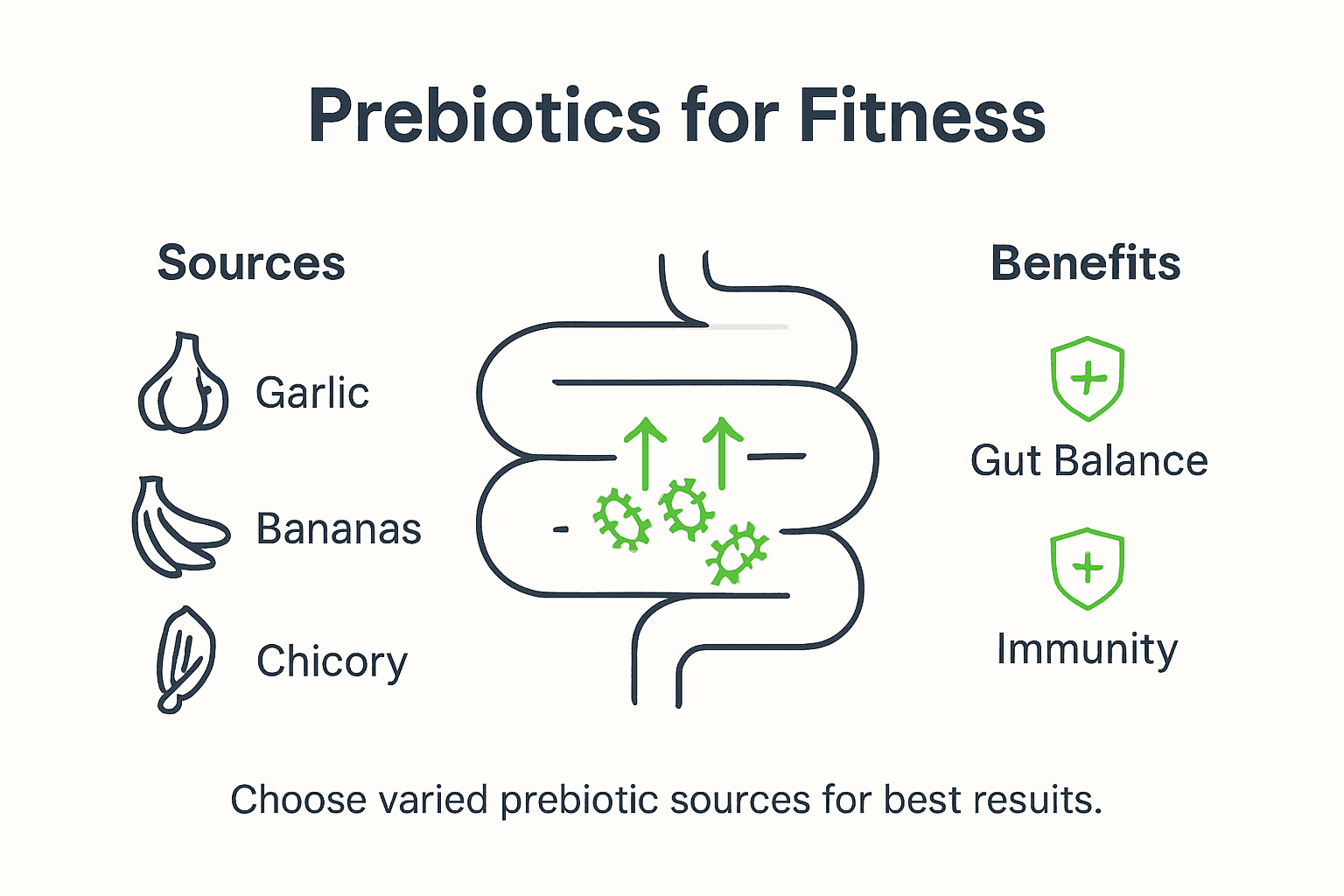
GOS, FOS, and Inulin work through different mechanisms to support gut microbiome balance. Inulin, derived from chicory root, is especially popular in supplements due to its ability to increase beneficial bacteria populations and improve overall digestive function. These prebiotics help produce short-chain fatty acids that support immune response, reduce inflammation, and potentially enhance recovery times for athletes.
Some supplements combine multiple prebiotic types to create a comprehensive gut health strategy, recognising that diversity in prebiotic intake can provide more comprehensive microbiome support. Supplement manufacturers often develop targeted formulations that blend different prebiotic ingredients to maximise potential health benefits.
Pro Tip: When selecting a prebiotic supplement, opt for products containing multiple prebiotic types to ensure a broader spectrum of gut microbiome support and enhanced athletic performance potential.
The following table compares the main types of prebiotics commonly used in fitness supplements, highlighting their sources and key benefits for athletic performance:
| Prebiotic Type | Common Source | Key Benefit for Athletes |
|---|---|---|
| Galacto-oligosaccharides (GOS) | Dairy products | Stimulates beneficial bacterial growth |
| Fructo-oligosaccharides (FOS) | Fruit and vegetables | Enhances digestion and nutrient absorption |
| Inulin | Chicory root | Promotes healthy gut microbiome balance |
How Prebiotics Benefit Gut Health
Gut health represents a complex ecosystem of microorganisms that plays a critical role in overall physiological function, with prebiotics serving as essential nutritional support for maintaining this delicate biological balance. The human digestive system hosts trillions of microorganisms that directly influence metabolism, immune response, and nutrient absorption.

Prebiotics selectively stimulate beneficial bacteria growth, enhancing gut microbiota composition and producing health-promoting metabolites. These specialised fibres act as nutritional fuel for beneficial bacteria like bifidobacteria, helping to crowd out potentially harmful microorganisms and maintain a robust digestive environment.
Gut microbiota plays a fundamental role in modulating metabolic functions and supporting overall physiological performance, with prebiotics contributing to crucial processes beyond simple digestion. They support immune system regulation, help reduce inflammation, improve nutrient absorption, and potentially enhance mental clarity by maintaining a balanced intestinal ecosystem.
The mechanisms of prebiotic action are sophisticated and multifaceted. By providing targeted nutrition for beneficial bacteria, these compounds help create a protective barrier in the intestinal tract, reduce potential pathogen colonisation, and support the production of short-chain fatty acids that are essential for maintaining cellular health and metabolic efficiency.
Pro Tip: Incorporate a diverse range of prebiotic-rich foods like chicory root, Jerusalem artichokes, garlic, and onions to naturally support your gut microbiome and enhance overall digestive resilience.
Role of Prebiotics in Athletic Performance
Athletic performance depends on multiple physiological systems working efficiently, with gut health emerging as a critical factor in determining an athlete’s overall functional capacity. Prebiotics play a sophisticated role in supporting these complex metabolic processes, directly influencing energy production, recovery, and immune system resilience.
Prebiotics contribute to athletic performance through advanced metabolic mechanisms like energy generation from microbial metabolites and optimising hydration via short-chain fatty acids. These specialised nutritional compounds help athletes maintain robust digestive environments that support intense training demands, reducing gastrointestinal disturbances and enhancing nutrient absorption during high-stress physical activities.
Clinical research demonstrates that prebiotic supplementation can modulate inflammation, improve immune response, and potentially enhance neuromuscular control. By nourishing beneficial gut bacteria, prebiotics create a supportive internal ecosystem that helps athletes recover faster, resist illness, and maintain consistent performance levels across training and competition cycles.
The biochemical interactions between prebiotics and the human microbiome are intricate and powerful. Athletes consuming targeted prebiotic supplements may experience reduced respiratory infection risks, improved muscle recovery rates, and more stable energy metabolism, effectively turning gut health into a strategic performance enhancement tool.
Pro Tip: Integrate prebiotic-rich foods or supplements into your nutrition strategy at least 4-6 weeks before major athletic events to allow your gut microbiome sufficient time to adapt and optimise performance potential.
Risks and Choosing Safe Prebiotic Supplements
Prebiotic supplements require careful consideration to ensure optimal safety and effectiveness for fitness enthusiasts. While these nutritional compounds offer significant health benefits, understanding potential risks and selection criteria is crucial for responsible supplementation.
Prebiotics can potentially cause gastrointestinal discomfort if not selected and consumed appropriately, highlighting the importance of individual tolerance and precise dosing. Individuals may experience temporary side effects like bloating, gas, or mild digestive changes when introducing new prebiotic supplements, which underscores the need for gradual implementation and personalised approaches.
Selecting safe prebiotic supplements demands rigorous evaluation of scientific validation, ingredient quality, and potential interactions with existing health conditions. Key selection criteria include examining third-party testing certifications, understanding ingredient sourcing, checking for potential allergens, and ensuring the supplement aligns with individual fitness and health objectives.
Athletes and fitness enthusiasts should prioritise supplements from reputable manufacturers that provide transparent ingredient lists, clear dosage recommendations, and preferably include clinical research supporting their product’s efficacy. Reading supplement labels carefully can help identify high-quality prebiotic products that minimise potential risks and maximise potential health benefits.
Pro Tip: Consult with a registered nutritionist or healthcare professional before starting any new prebiotic supplement regimen, especially if you have pre-existing digestive conditions or are taking other medications.
This table summarises recommended practices and important risks to consider when choosing safe prebiotic supplements for fitness purposes:
| Practice or Risk | Why It Matters | Impact on Fitness |
|---|---|---|
| Start with low doses | Minimises digestive discomfort | Improves tolerance and consistency |
| Check for third-party testing | Ensures product quality and safety | Reduces risk of contaminants |
| Consider ingredient transparency | Avoids hidden allergens | Enhances suitability for individuals |
| Gradual introduction | Reduces chance of bloating or gas | Supports a smoother transition |
Boost Your Fitness Journey with Targeted Prebiotic Support
Understanding the vital role of prebiotics in enhancing gut health and athletic performance reveals a clear challenge many fitness enthusiasts face Maintaining a balanced gut microbiome is key to optimising nutrient absorption, reducing inflammation, and speeding recovery – all essential factors for achieving peak physical results Whether you are striving for muscle gain, improved endurance, or faster recovery times incorporating prebiotic supplements can transform your fitness routine

Explore our specialised selection at MyGymSupplements.shop, where you can find carefully formulated prebiotic supplements designed to nourish your gut flora and support metabolic efficiency Shop now and benefit from products tailored to boost your digestive resilience and athletic performance Start your journey today and experience the difference that targeted prebiotic nutrition can make by visiting MyGymSupplements.shop and selecting supplements aligned with your personal fitness goals
Frequently Asked Questions
What are prebiotics and how do they benefit fitness enthusiasts?
Prebiotics are non-digestible food ingredients that stimulate the growth and activity of beneficial gut bacteria. For fitness enthusiasts, they enhance nutrient absorption, reduce inflammation, and improve recovery times, ultimately supporting overall athletic performance.
What are the main types of prebiotics found in supplements?
The primary types of prebiotics commonly found in supplements include Galacto-oligosaccharides (GOS), Fructo-oligosaccharides (FOS), and Inulin. Each type has unique benefits, such as stimulating beneficial bacterial growth or promoting digestive health.
How do prebiotics impact gut health?
Prebiotics support a balanced gut microbiome by stimulating the growth of beneficial bacteria, which in turn produce short-chain fatty acids that enhance immune response, reduce inflammation, and improve nutrient absorption.
What should I consider when choosing a prebiotic supplement?
When selecting a prebiotic supplement, look for products with multiple prebiotic types, third-party testing certifications, ingredient transparency, and clear dosage recommendations. This ensures quality, safety, and effective benefits for your gut health.
Recommended
- What is Prebiotic Supplement? Understanding Its Benefits – MyGymSupplements
- 7 Top Advantages of Plant Protein for Fitness Goals – MyGymSupplements
- How to Select Pre-Workout for Your Fitness Goals – MyGymSupplements
- Why You Need Living Things Prebiotic Soda for Gut Health – MyGymSupplements
- 10 Must-Know Prebiotic Foods List for Better Gut Health – naturessoulshop

0 comments