

Most british adults report that sustainable weight management feels more challenging than ever, especially for those balancing fitness goals with busy lifestyles. With so many nutritional supplements and weight loss trends in the spotlight, knowing which strategies genuinely improve results has never been more important. This guide uncovers practical solutions tailored to health-conscious british individuals, highlighting the evidence-based benefits and risks of modern weight management methods. Around 64 percent of adults in England are classified as overweight or obese, showing why intelligent choices matter for lasting wellness.
Table of Contents
- What Weight Management Really Means
- Types of Weight Management Approaches
- How Diet and Supplements Support Results
- Risks, Myths, and What to Avoid
- Choosing the Right Solution for You
Key Takeaways
| Point | Details |
|---|---|
| Comprehensive Approach | Effective weight management involves long-term strategies, focusing on energy balance and sustainable lifestyle changes, rather than short-term dieting. |
| Personalised Strategies | Tailoring weight management plans to individual health profiles and preferences is vital for sustainable success. |
| Nutritional Foundations | A balanced diet, complemented by informed supplementation, plays a crucial role in supporting weight management goals. |
| Avoiding Common Pitfalls | Awareness of misconceptions and potential risks, such as extreme dieting and unverified supplements, is essential for effective weight management. |
What Weight Management Really Means
Weight management represents a comprehensive approach to maintaining a healthy body composition through strategic lifestyle modifications. It goes far beyond simple dieting or temporary weight loss efforts. Understanding weight management strategies involves recognising the complex interplay between physiological processes, personal behaviours, and environmental influences.
At its core, weight management encompasses long-term strategies focused on achieving energy balance - the critical relationship between calories consumed and calories expended. Effective weight management considers multiple factors including nutrition, physical activity, genetic predispositions, and individual metabolic patterns. Some key components include developing sustainable eating habits, engaging in regular exercise, and creating personalised strategies that support gradual, consistent progress towards health goals.
Healthcare professionals emphasise that successful weight management reduces risks of serious medical conditions such as heart disease, diabetes, and certain cancers. This holistic approach recognises that weight is not just about numbers on a scale, but about overall physical wellness and quality of life. The process requires consistent effort, self-awareness, and a commitment to implementing positive lifestyle changes that can be maintained long-term.
Pro tip: Track your daily energy intake and expenditure using a digital fitness app to gain insights into your metabolic patterns and support more informed weight management decisions.
Types of Weight Management Approaches
Weight management encompasses diverse strategies designed to support individuals in achieving and maintaining optimal body composition. Behavioural interventions delivered in primary healthcare settings represent one of the most scientifically validated approaches, targeting adults with body mass index (BMI) measurements above 25. These comprehensive programmes typically involve multiple components that address the complex nature of weight regulation.
Key approaches to weight management include lifestyle modification strategies focusing on three critical domains: nutrition, physical activity, and behavioural change. Professional interventions often recommend structured programmes involving regular counselling sessions, typically spanning at least 12 contact points to ensure sustainable outcomes. Weight management services for children and families similarly emphasise multidisciplinary approaches that integrate dietary guidance, exercise recommendations, and psychological support.
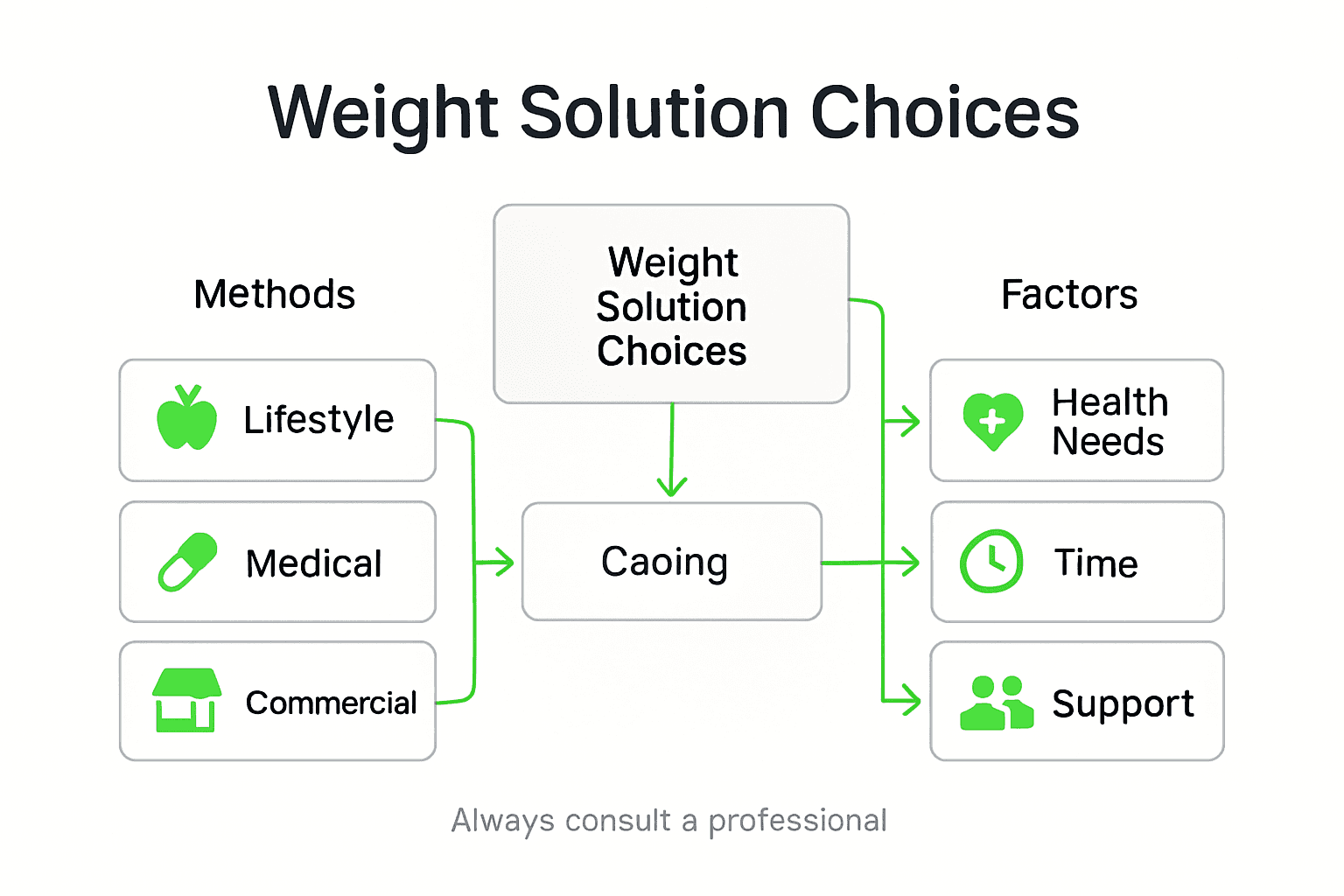
Weight management approaches can be categorised into several primary models: medical supervised programmes, commercial weight loss plans, community-based interventions, and personalised coaching strategies. Each model offers unique advantages, with effectiveness determined by individual needs, metabolic characteristics, and personal motivation. Some individuals might benefit from group-based programmes that provide social support, while others may prefer one-to-one consultations with nutrition specialists.
Here is a comparison of popular weight management approaches and their typical characteristics:
| Approach Type | Level of Supervision | Common Components | Target Audience |
|---|---|---|---|
| Medical supervised | High (doctor/nurse) | Clinical monitoring, tailored plans | People with medical conditions |
| Commercial plan | Structured but lower | Meal replacement, group support | Adults seeking group guidance |
| Community-based | Peer support | Workshops, activity sessions | Local groups and families |
| Personal coaching | One-to-one guidance | Custom strategies, frequent check-ins | Individuals wanting personal focus |
Pro tip: Select a weight management approach that aligns with your personal lifestyle, considering factors like time availability, support network, and specific health goals for maximum long-term success.
How Diet and Supplements Support Results
Nutritional foundations play a critical role in achieving sustainable weight management and fitness outcomes. Government dietary recommendations emphasise consuming a balanced diet that incorporates a diverse range of nutrients, focusing on whole grains, lean proteins, fruits, and vegetables while minimising saturated fats, sugars, and excessive salt intake. This strategic approach supports metabolic efficiency and helps maintain consistent energy levels essential for fitness progression.

Supplements can serve as targeted nutritional interventions, addressing specific physiological requirements that diet alone might not fully meet. However, dietary supplements marketed for weight loss require careful scientific scrutiny, as many lack robust evidence demonstrating consistent efficacy. Intelligent supplementation involves understanding individual metabolic needs, consulting healthcare professionals, and selecting high-quality products that complement rather than replace whole food nutrition.
Effective weight management demands a holistic approach integrating dietary choices, supplementation, physical activity, and individual metabolic understanding. Key nutritional strategies include maintaining calorie balance, consuming nutrient-dense foods, and using supplements strategically to support specific fitness goals. Protein supplements, multivitamins, and targeted performance enhancers can provide additional support when selected thoughtfully and used in conjunction with a comprehensive wellness plan.
Pro tip: Conduct a comprehensive nutritional assessment with a healthcare professional to identify precise dietary gaps and develop a personalised supplementation strategy aligned with your specific fitness objectives.
Risks, Myths, and What to Avoid
Weight management is fraught with numerous misconceptions that can derail fitness progress. Common nutrition myths frequently mislead individuals seeking sustainable health strategies, with widespread beliefs about carbohydrates, processed foods, and dietary trends often lacking scientific substantiation. Popular misconceptions suggest that certain food groups are inherently problematic, when in reality, balanced nutrition and overall calorie management are far more critical to achieving fitness goals.
Obesity and weight management involve complex biological interactions that extend far beyond simplistic assumptions about diet and exercise. Dangerous myths persist, such as the notion that rapid weight loss methods or extreme dietary restrictions provide sustainable results. In reality, these approaches often lead to metabolic disruption, nutritional deficiencies, and potential long-term health complications. Sustainable weight management requires understanding individual physiological needs, embracing balanced nutritional approaches, and avoiding quick-fix solutions that promise unrealistic outcomes.
Key risks in weight management include relying on unverified supplements, adopting extreme dietary restrictions, and neglecting individual metabolic differences. Potential pitfalls encompass yo-yo dieting, misunderstanding nutritional requirements, and implementing one-size-fits-all approaches that ignore personal health contexts. Individuals should be wary of miracle solutions, unregulated supplements, and dramatic dietary transformations that lack scientific backing and professional guidance.
The following table outlines key misconceptions and actual facts relevant to weight management:
| Common Myth | Reality | Main Risk |
|---|---|---|
| Carbohydrates cause weight gain | Excess calories, not carbs, drive gain | Unnecessary restriction |
| Fast diets give lasting results | Lasting results need gradual changes | Metabolic slowdown, yo-yo dieting |
| Supplements safely boost weight loss | Many lack scientific backing | Wasted money, health risks |
Pro tip: Consult a registered nutritionist or healthcare professional to develop a personalised weight management strategy that addresses your unique metabolic profile and fitness objectives.
Choosing the Right Solution for You
Personalised weight management strategies are fundamental to achieving sustainable fitness outcomes. Selecting an appropriate approach requires comprehensive self-assessment, considering individual health status, metabolic profile, lifestyle constraints, and personal preferences. No universal solution exists that fits every individual, making it crucial to develop a tailored plan that aligns with unique physiological requirements and personal goals.
Weight loss programmes demand careful evaluation of multiple factors, including current health conditions, existing medications, and psychological readiness for lifestyle transformation. Successful strategies incorporate balanced nutritional planning, consistent physical activity, and behavioural modifications that can be maintained long-term. Critical considerations include assessing your current fitness level, understanding potential metabolic limitations, and developing realistic expectations about progression and potential challenges.
Key elements in choosing an effective weight management solution involve conducting thorough self-research, consulting healthcare professionals, and developing a flexible, adaptable approach. This might include tracking nutritional intake, understanding personal triggers for unhealthy eating patterns, establishing support networks, and creating measurable, achievable milestones. Regularly reassessing and adjusting your strategy ensures continued progress and prevents potential plateaus in fitness development.
Pro tip: Create a detailed personal health journal documenting your nutrition, exercise, energy levels, and emotional state to gain comprehensive insights into your individual weight management journey.
Optimize Your Weight Management Journey with Targeted Supplements
Managing weight effectively requires more than just self-discipline it demands a tailored approach that addresses individual metabolic needs, nutritional gaps, and energy balance as highlighted in the article. Many struggle with sustainable results due to myths and unverified methods but integrating scientifically backed supplements can provide crucial support for consistent progress towards your fitness goals.
At MyGymSupplements.shop, you will discover an extensive range of weight management solutions alongside proteins, vitamins, and performance enhancers designed to complement your lifestyle changes. These products are created to work harmoniously with your tailored dietary strategy helping you avoid common pitfalls such as metabolic slowdown or nutritional deficiencies.

Take control of your weight management today by exploring specialised supplements that fit your unique needs. Visit MyGymSupplements.shop now and gain access to expert-curated choices that empower your long-term health and fitness success. To start your personalised experience check out our weight management solutions and find the perfect products to support your journey towards lasting wellness.
Frequently Asked Questions
What is weight management and why is it important for fitness goals?
Weight management refers to maintaining a healthy body composition through lifestyle modifications. It’s important for fitness goals as it supports energy balance, reduces risks of chronic diseases, and enhances overall wellness.
How do diet and supplements support weight management effectively?
A balanced diet focusing on whole foods, combined with targeted nutritional supplements, supports weight management by providing essential nutrients and addressing specific physiological needs that diet alone may not meet.
What are common myths about weight management that I should be aware of?
Common myths include the idea that carbohydrates cause weight gain and that rapid diets yield lasting results. These misconceptions can lead to poor dietary choices and hinder long-term progress towards fitness goals.
How can I choose the right weight management strategy for my personal needs?
Choosing the right strategy involves assessing your health status, metabolic profile, and lifestyle preferences. Consulting healthcare professionals and tailoring your approach based on individual goals and circumstances is crucial for success.

0 comments