

Over 40 percent of British adults are actively seeking healthier, sustainable protein options to support their wellness goals. With muscle growth, digestion, and heart health all linked to the types of protein we choose, exploring plant proteins has become a smart move for many in the United Kingdom. This article uncovers why plant protein is gaining momentum among British athletes and health-conscious individuals, highlighting powerful benefits like muscle repair, digestive comfort, and a smaller environmental footprint.
Table of Contents
- Supports Lean Muscle Growth And Repair
- Rich In Fibre For Better Digestion
- Naturally Low In Saturated Fat
- Easier On The Stomach For Sensitive Users
- Packed With Essential Vitamins And Minerals
- Helps With Weight Management Efforts
- Environmentally Friendly Protein Choice
Quick Summary
| Takeaway | Explanation |
|---|---|
| 1. Plant protein aids muscle growth and repair | Research shows plant proteins are as effective as animal proteins for building and repairing muscles, promoting fitness goals. |
| 2. High fibre supports digestive health | The dietary fibre in plant proteins enhances gut function, aids digestion, and improves nutrient absorption. |
| 3. Low in saturated fat benefits heart health | Plant proteins contain less saturated fat than animal proteins, supporting cardiovascular wellness while meeting protein needs. |
| 4. Suitable for sensitive digestive systems | Plant proteins are typically easier to digest than dairy-based options, making them ideal for those with sensitivities. |
| 5. Environmentally friendly protein choice | Choosing plant proteins reduces greenhouse gas emissions, conserving resources and contributing to sustainability. |
1. Supports Lean Muscle Growth and Repair
Plant protein emerges as a powerful ally in supporting lean muscle growth and repair, offering athletes and fitness enthusiasts a robust alternative to traditional protein sources. Research from the University of Exeter has demonstrated that plant protein can be just as effective as animal protein in muscle building, challenging long-standing perceptions about protein quality.
The key to understanding plant protein’s muscle-supporting potential lies in its amino acid profile. Unlike outdated beliefs, modern plant proteins provide a comprehensive range of essential amino acids critical for muscle protein synthesis. A systematic review revealed that plant-based protein supplementation significantly enhances muscle strength and endurance performance, making it an exceptional choice for individuals pursuing fitness goals.
One remarkable aspect of plant protein is its ability to support muscle repair processes. The amino acids present in plant proteins help rebuild muscle tissue after intense workouts, reducing recovery time and minimising potential muscle damage. By providing a steady stream of nutrients, plant protein facilitates muscle protein synthesis and supports overall muscular development.
Specifically, proteins derived from sources like pea, hemp, and brown rice offer a diverse amino acid spectrum that closely mimics animal protein profiles. These plant proteins contain branched-chain amino acids (BCAAs) which are crucial for muscle growth and repair, demonstrating that plant-based options can be genuinely competitive in supporting fitness objectives.
Pro tip: Select plant protein supplements that blend multiple plant sources to ensure a complete amino acid profile and maximise muscle growth potential.
2. Rich in Fibre for Better Digestion
Plant proteins offer more than just muscle support they provide a significant boost to digestive health through their impressive fibre content. Unlike many animal protein sources, plant proteins naturally come packed with dietary fibre, which plays a crucial role in maintaining optimal gut function and overall metabolic wellness.
The digestive benefits of plant protein extend far beyond basic nutrition. Research indicates that plant proteins can modulate metabolic responses by positively influencing gut microbiota composition, creating a healthier internal ecosystem. This means consuming plant proteins can help support beneficial bacteria growth and improve your digestive processes.
Specifically, studies using advanced gut models have demonstrated remarkable outcomes. A groundbreaking study revealed that pea protein supplementation leads to significant increases in beneficial short-chain fatty acids like butyrate and propionate, which are essential for maintaining gut health. These fatty acids help reduce inflammation, support intestinal cell function, and contribute to overall digestive wellness.
The high fibre content in plant proteins acts like a natural prebiotic, feeding good gut bacteria and promoting smoother digestion. This can result in improved nutrient absorption, reduced bloating, and more consistent digestive comfort for athletes and fitness enthusiasts.
Pro tip: Gradually introduce plant protein into your diet and stay well hydrated to help your digestive system adapt and maximise the fibre benefits.
3. Naturally Low in Saturated Fat
Plant proteins stand out as a heart healthy alternative to traditional animal protein sources, offering a naturally low saturated fat profile that supports overall metabolic wellness. For fitness enthusiasts and health conscious individuals, this characteristic represents a significant nutritional advantage.
Research reveals that the low saturated fat content in plant proteins can positively influence metabolic responses, providing benefits that extend well beyond basic muscle nutrition. Unlike many animal protein sources which can be laden with unhealthy fats, plant proteins deliver essential amino acids without compromising cardiovascular health.
The low saturated fat advantage means that athletes and fitness enthusiasts can meet their protein requirements while simultaneously supporting heart health. Proteins derived from sources like pea, hemp, and brown rice offer a lean nutritional profile that helps maintain healthy cholesterol levels and reduces potential risks associated with high saturated fat consumption.
Moreover, plant proteins provide a comprehensive nutritional package. They not only minimise saturated fat intake but also deliver additional beneficial compounds such as antioxidants, vitamins, and minerals. This holistic approach ensures that you are not just consuming protein, but supporting your body’s overall nutritional needs in a balanced manner.
Pro tip: Rotate between different plant protein sources to ensure a diverse nutrient intake and maximise the cardiovascular benefits of your protein supplementation.
4. Easier on the Stomach for Sensitive Users
For individuals with digestive sensitivities, plant protein emerges as a gentle and supportive nutritional alternative that can transform protein supplementation experiences. Unlike dairy based proteins that often trigger discomfort, plant proteins offer a more harmonious approach to meeting nutritional needs.
Advanced gut microbiome studies reveal that plant proteins can create beneficial shifts in digestive ecology, making them particularly suitable for those with sensitive digestive systems. The unique composition of plant proteins means they are typically easier to digest and less likely to cause bloating, gas, or intestinal discomfort.
The digestive advantages of plant proteins stem from their natural fibre content and hypoallergenic properties. Sources like pea, rice, and hemp proteins contain fewer inflammatory compounds compared to traditional whey or casein proteins, reducing the likelihood of adverse digestive reactions. This makes them an excellent choice for individuals with lactose intolerance, dairy allergies, or general stomach sensitivities.
Moreover, plant proteins support gut health by providing prebiotic fibres that nourish beneficial bacteria. This means not only are they easier to digest, but they also contribute to overall digestive system wellness, potentially reducing inflammation and supporting a balanced microbiome.
Pro tip: Start with small servings of plant protein and gradually increase intake to allow your digestive system to adapt comfortably.
5. Packed with Essential Vitamins and Minerals
Plant proteins are not just protein sources they are comprehensive nutritional powerhouses delivering a remarkable array of essential vitamins and minerals that support holistic fitness and wellness. Unlike isolated protein supplements, plant proteins offer a natural multivitamin package that nourishes your body from within.
Research demonstrates that the nutrient profile of plant proteins can positively influence metabolic responses and overall health, making them far more than simple muscle building supplements. Different plant protein sources bring unique micronutrient profiles to the table, ensuring a diverse range of nutritional benefits.
The mineral rich composition of plant proteins includes critical elements like magnesium, iron, zinc, and calcium. These nutrients play crucial roles in muscle function, energy production, immune support, and bone health. For instance, proteins derived from hemp provide omega 3 fatty acids, while pea protein offers substantial iron content that supports oxygen transportation and muscle recovery.
Moreover, plant proteins contain antioxidants and phytonutrients that animal protein sources typically lack. These compounds help combat oxidative stress, reduce inflammation, and support cellular repair mechanisms, making them an intelligent choice for athletes seeking comprehensive nutritional support.
Pro tip: Combine different plant protein sources to create a more comprehensive micronutrient profile and maximise your nutritional intake.
6. Helps with Weight Management Efforts
Plant proteins emerge as a strategic ally in weight management, offering a sophisticated approach to nutrition that goes beyond simple calorie counting. Their unique nutritional profile makes them an intelligent choice for individuals seeking sustainable weight control strategies.
Research indicates that plant proteins can modulate metabolic responses by influencing satiety and energy balance, providing a powerful tool for those managing their weight. The high fibre content in plant proteins creates a sense of fullness that helps reduce overall calorie intake and prevents unnecessary snacking.
The metabolic advantages of plant proteins extend beyond basic nutrition. Unlike many animal protein sources, plant proteins are typically lower in calories while providing substantial nutritional value. This means you can consume a satisfying protein serving without excessive energy intake, supporting your body composition goals more effectively.
Moreover, plant proteins support lean muscle maintenance during weight management efforts. By providing essential amino acids and nutrients, they help preserve muscle mass even when reducing overall calorie consumption. This is crucial because maintaining muscle mass helps sustain metabolic rate and prevents the metabolic slowdown often associated with traditional weight loss approaches.
Pro tip: Incorporate plant protein into meals strategically by using it as a replacement for higher calorie protein sources to support your weight management journey.
7. Environmentally Friendly Protein Choice
As fitness enthusiasts become increasingly aware of their ecological footprint, plant proteins emerge as a powerful solution for supporting personal health while contributing to global sustainability. The environmental impact of protein consumption has never been more critical to consider.
Research from the University of Exeter highlights how plant protein consumption can significantly reduce emissions from livestock farming, offering a meaningful way to make a positive environmental difference. Unlike animal protein sources, plant proteins require substantially fewer resources to produce, making them a conscientious choice for environmentally minded athletes.
The ecological advantages of plant proteins are substantial. Producing plant proteins generates dramatically lower greenhouse gas emissions, consumes less water, and requires significantly less agricultural land compared to animal protein production. A single serving of plant protein can represent a meaningful reduction in carbon footprint, allowing you to support your fitness goals while simultaneously protecting the planet.
Moreover, choosing plant proteins demonstrates a commitment to sustainable nutrition. By selecting protein sources that demand fewer natural resources, you are actively participating in a global movement towards more responsible food systems. This choice reflects a holistic approach to health that extends beyond individual wellness to consider broader environmental consequences.
Pro tip: Rotate between different plant protein sources to diversify your nutritional intake and minimise the environmental impact of your dietary choices.
Below is a comprehensive table summarising the benefits and key features of plant protein from the discussed topics in the article.
| Topic | Description | Key Considerations |
|---|---|---|
| Lean Muscle Growth | Plant protein supports muscle growth and repair with a full range of essential amino acids. | Choose a blend of plant sources for a complete amino acid profile. |
| Digestive Health | High fibre content in plant proteins enhances gut function and supports healthy gut microbiota. | Gradually introduce them into the diet and hydrate well. |
| Saturated Fat Content | Plant proteins are naturally low in saturated fat, supporting heart health. | Rotate between different plant protein sources for diverse nutrients. |
| Ease on Digestion | Suitable for sensitive digestive systems, causing less discomfort than dairy proteins. | Start with small servings and increase gradually. |
| Nutrient-Rich | Offers essential vitamins and minerals, along with antioxidants and phytonutrients. | Combine various plant sources for a broad micronutrient profile. |
| Weight Management | High fibre content improves satiety and helps manage calorie intake effectively. | Use as a replacement for higher calorie proteins. |
| Environmental Impact | Lower greenhouse gas emissions and resource use compared to animal proteins. | Opt for diverse plant protein sources to minimise environmental impact. |
Discover the Power of Plant Protein to Elevate Your Fitness Journey
If you are striving for lean muscle growth, better digestion, or sustainable weight management, plant protein offers a natural and effective solution. The article highlights key challenges such as supporting muscle repair with complete amino acids, managing digestive sensitivities with fibre-rich formulas, and reducing saturated fat intake for heart health. These are essential goals for athletes and fitness enthusiasts who want to optimise performance without sacrificing wellbeing.
Unlock these benefits with targeted plant-based supplements available at MyGymSupplements.shop. From pea to hemp protein, our range covers diverse plant sources formulated to enhance muscle recovery, boost digestive comfort, and support weight control efforts with nutrient-rich profiles.
Take control of your nutrition today and experience the comprehensive advantages of plant protein.
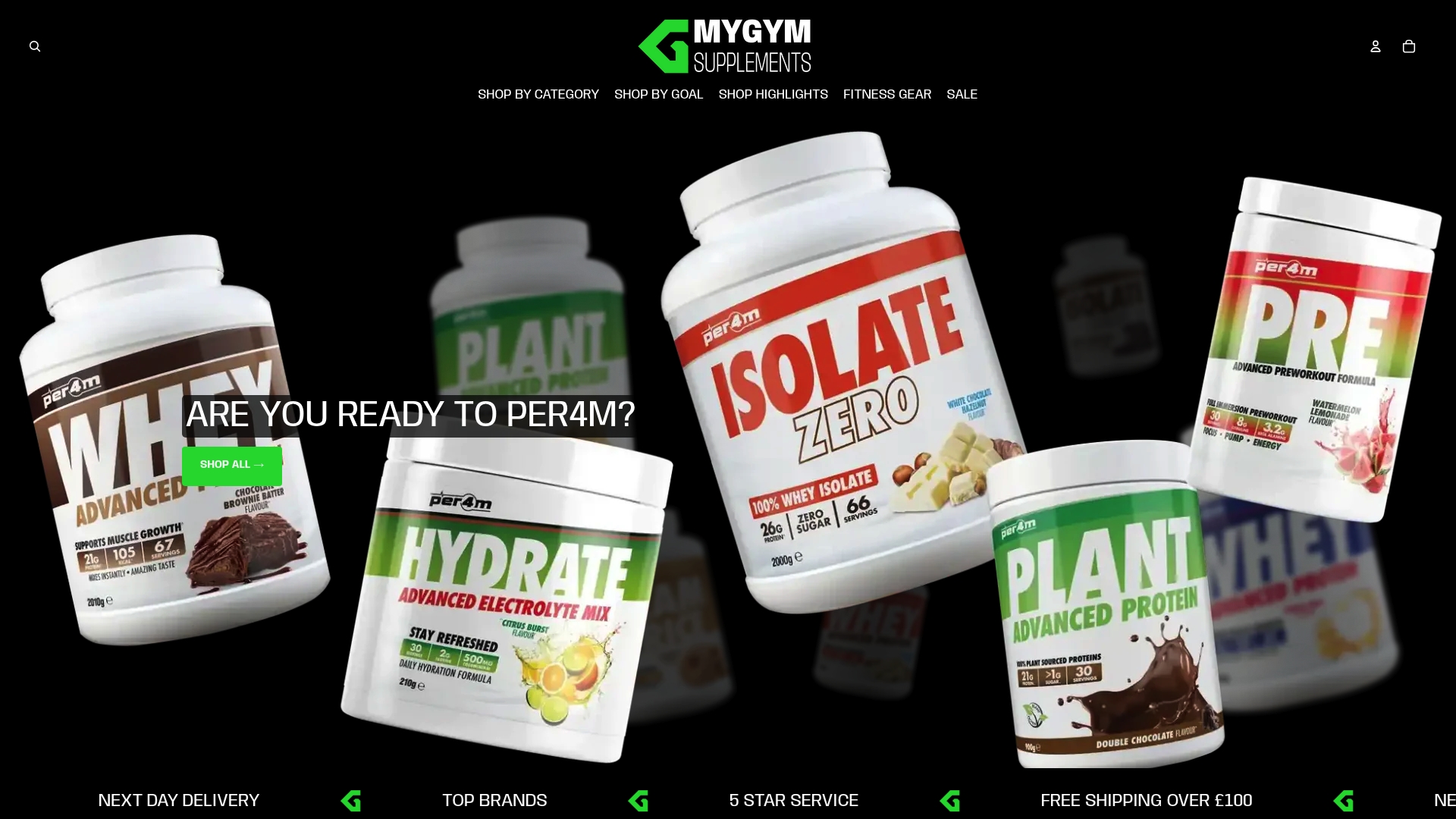
Explore our selection and accelerate your progress with clean, sustainable, and effective plant protein options. Don’t wait to transform your fitness routine. Shop now at MyGymSupplements.shop and start seeing real results.
Find exactly what you need for your goals in our wide range of protein supplements designed for health-conscious and performance-driven athletes.
Frequently Asked Questions
How can plant protein support my muscle growth and recovery?
Plant protein can effectively support muscle growth and recovery by providing essential amino acids needed for muscle protein synthesis. To maximise its benefits, consider including varied sources like pea, hemp, and brown rice in your diet, which can help with muscle repair after workouts.
What are the digestive health benefits of plant protein?
Plant protein is rich in dietary fibre, which promotes a healthy gut and aids in digestion. Start incorporating plant proteins gradually into your diet to improve your digestive comfort and support a healthier gut microbiome.
Why is plant protein better for heart health than animal protein?
Plant protein is naturally low in saturated fat, which contributes to better heart health compared to many animal protein sources. Opt for plant proteins to meet your protein needs while also supporting your cardiovascular system and maintaining healthy cholesterol levels.
Is plant protein suitable for people with digestive sensitivities?
Yes, plant protein is often easier to digest than dairy-based proteins, making it suitable for individuals with lactose intolerance or other digestive sensitivities. To ease into it, start with smaller servings of plant protein and gradually increase your intake.
How does plant protein help with weight management?
Plant protein can assist with weight management by providing a sense of fullness thanks to its high fibre content, helping to reduce calorie intake. Incorporate plant protein into your meals to promote satiety and maintain muscle mass while managing your calories effectively.
What are the environmental benefits of choosing plant protein?
Choosing plant protein significantly reduces greenhouse gas emissions and requires fewer natural resources compared to animal protein production. To contribute to a more sustainable diet, prioritise plant protein sources in your meals and diversify them to maximise nutritional benefits.

0 comments