

For most healthy adults in the UK, protein powder is not bad for you. It is a safe, well-researched supplement when used correctly and purchased from reputable brands. However, people with kidney disease, certain liver conditions, or dairy allergies should take care. The main risks come from poor-quality products, excessive intake, or replacing whole food meals entirely.
Questions about whether protein powder is bad for you have intensified in 2025, driven by the UK's ultra-processed food debate and new research on heavy metal contamination. This guide cuts through the noise with evidence-based answers to every major concern.
Disclaimer: This article is for informational purposes only. If you have a pre-existing health condition, consult your GP before significantly changing your protein intake.
What Is Protein Powder and How Is It Made?
Protein powder is a concentrated protein supplement derived from animal or plant sources, most commonly whey, casein, pea, or rice. The manufacturing process involves extracting protein from its source, filtering out fats and carbohydrates, then spray-drying the result into a powder. Flavours, sweeteners, and emulsifiers are often added at the final stage.
The nutritional purpose is straightforward: one scoop typically delivers 20 to 25g of high-quality protein, making it one of the most convenient ways to increase daily protein intake alongside whole food meals.

Is protein powder an ultra-processed food?
This question has become particularly relevant in the UK following Dr Chris van Tulleken's book Ultra-Processed People and Joe Wicks' October 2025 documentary examining UPFs. Under the NOVA classification system, most flavoured protein powders do technically fall into the ultra-processed category because of added emulsifiers, sweeteners, and flavourings.
However, as Dr Adam Collins, Head of Nutrition at Form Nutrition, explains, the UPF label requires important context. Unlike the UPFs most strongly linked to poor health outcomes, protein powders do not combine sugar, salt, saturated fat, and refined carbohydrates. They are designed to supplement the diet with nutritional value rather than supply empty calories. The distinction that matters is whether a product displaces nutritious whole food or supplements it. Plain, unflavoured protein powders with minimal ingredients sit much closer to minimally processed food in practice, even if NOVA technically classifies them otherwise.
The key test is the ingredient list. A protein powder with two or three recognisable ingredients is meaningfully different from one with fifteen additives. Look for products where the protein source is listed first and the supporting ingredients are few and familiar.
See more: Explore the Benefits of GHOST Vegan Protein
The Most Common Concerns About Protein Powder: What the Evidence Says
Several health concerns are frequently raised about whether protein powder is bad for you. Each deserves a clear, evidence-based answer rather than a blanket dismissal or exaggeration. The table below summarises the current scientific consensus before each concern is examined in detail.
| Concern | Verdict for healthy adults | Evidence quality | Who needs to be careful |
|---|---|---|---|
| Kidney damage | Not supported | Strong (multiple RCTs, meta-analyses) | People with pre-existing CKD |
| Liver damage | Not supported at normal doses | Moderate (most data from rat studies) | People with liver disease |
| Bone loss | Not supported; protein may help bones | Strong | N/A |
| Acne | Possible link with whey for some | Moderate (observational) | Acne-prone individuals |
| Digestive issues | Real but manageable | Strong | Lactose-intolerant users |
| Heavy metals | Real risk with low-quality products | Strong (Consumer Reports 2025) | All users of low-quality brands |
This table shows that most serious health fears about protein powder are not supported by current evidence in healthy adults. Digestive issues and heavy metal contamination from poor-quality products are the concerns most grounded in real data.
Does protein powder damage your kidneys?
The kidney damage claim is the most persistent myth about protein powder, and it is the one most thoroughly debunked by research. A 2018 meta-analysis published in the Journal of Nutrition and Metabolism analysed 28 controlled studies involving 1,358 participants and found no evidence that high protein intake impairs kidney function in people with healthy kidneys.
The concern originated from the observation that protein metabolism produces waste products, including urea and creatinine, which the kidneys must filter. This led to the assumption that more protein meant more strain. However, healthy kidneys adapt readily to higher protein loads, and no study has demonstrated kidney damage in healthy adults consuming even very high protein amounts.
The exception is clearly established: people with chronic kidney disease (CKD) or significantly reduced kidney function should limit protein intake, because their kidneys cannot efficiently clear protein waste. If you have CKD or a history of kidney problems, consult your GP before using protein powder or significantly increasing dietary protein.
Is protein powder bad for your liver?
Concerns about protein powder and liver damage are largely based on animal studies. A 2021 systematic review by Vasconcelos et al., which suggested adverse liver effects, was subsequently criticised in the same journal because four of the six studies it cited used rat models, and the conclusions were considered unsubstantiated when extrapolated to humans.
The Garage Gym Reviews analysis by a registered dietitian confirms that current human evidence does not support liver harm at normal intake levels in healthy adults. Excessive protein intake well above recommended amounts, particularly combined with a sedentary lifestyle, may place additional metabolic demand on the liver over time, but this is not a concern for people using 1 to 2 scoops of protein powder per day as part of an active lifestyle.
Does high protein intake weaken your bones?
This myth arose from the idea that protein's acidity leaches calcium from bones, leading to weaker bone density. Current research contradicts this directly. Healthline's evidence review confirms that higher protein intake is now associated with better, not worse, bone health in healthy adults. An 18-month randomised controlled trial involving 280 older adults found that daily whey protein consumption was associated with preserved muscle mass with no negative effect on bone composition.
Can protein powder cause acne?
This is one of the more nuanced concerns and the most likely to affect a specific group. Whey protein stimulates insulin-like growth factor-1 (IGF-1), which can increase sebum production and potentially worsen acne in individuals who are already prone to breakouts. The evidence is observational rather than conclusive, but the association is credible enough to warrant practical guidance. If you notice worsening acne after starting whey protein, switching to a plant-based protein powder is a straightforward solution. Plant proteins do not appear to have the same IGF-1 stimulating effect.
Does protein powder cause digestive problems?
This is a real and common issue, though it is manageable. The most frequent cause is lactose in whey concentrate, which can cause bloating, gas, and cramping in people with lactose sensitivity. Artificial sweeteners such as sucralose and acesulfame-K, which are found in many flavoured protein powders, may also affect the gut microbiome with regular use. Taking more than one to two scoops per session can overwhelm digestive capacity and cause discomfort regardless of lactose tolerance.
Solutions are practical: choosing whey isolate (which has most lactose removed), opting for a plant-based protein blend, reducing serving size, or switching to an unflavoured powder all reduce digestive side effects significantly. Browse our plant protein collection for dairy-free options.
Heavy Metals in Protein Powder: What UK Consumers Should Know
Heavy metal contamination is the concern with the most current and credible evidence base. In October 2025, Consumer Reports tested 23 popular protein powders and shakes and found that a single serving of more than two-thirds of the products exceeded 0.5 micrograms of lead per day, the threshold considered the maximum safe daily level for adults. A 2024 to 2025 Clean Label Project report of 70 bestselling protein powder brands found that 47% exceeded at least one California Proposition 65 limit for heavy metals. Organic plant-based protein powders showed approximately twice as much cadmium and three times as much lead as non-organic equivalents.
This does not mean protein powder is inherently dangerous. The contamination is largely a product quality issue rather than an inherent property of the ingredient. Heavy metals enter plant-based protein sources from soil and water during agriculture. Reputable brands with third-party testing mitigate this significantly.
How to choose a protein powder with lower contamination risk
| What to look for | Why it matters |
|---|---|
| Informed Sport or Informed Choice certified | Third-party tested for banned substances and contamination |
| Short, readable ingredient list | Fewer additives, lower overall contamination exposure |
| UK or EU-manufactured product | Stricter food safety standards than many other markets |
| Whey protein (animal source) | Generally lower heavy metal levels than plant proteins |
| If plant-based: established brand with published testing | Reduces exposure risk significantly |
| Avoid proprietary blends hiding ingredient amounts | Transparency is a reliable marker of quality control |
Choosing a third-party certified protein powder is the single most effective step you can take to reduce your risk of heavy metal exposure while still meeting your protein goals.
Browse our range of popular proteins for options from established brands with transparent ingredient lists.
Who Should Be Careful with Protein Powder?
Protein powder is safe for the majority of healthy UK adults. However, some groups should approach it with more care or seek medical guidance first.
| Group | Caution level | Recommendation |
|---|---|---|
| Healthy adults aged 18 to 65 | Low | Safe at 1 to 2 scoops per day within a balanced diet |
| People with CKD (kidney disease) | High | Consult GP; protein intake may need to be limited |
| People with liver disease | Moderate | Consult GP before starting supplementation |
| Pregnant or breastfeeding women | Moderate | Whole food protein preferred; check with GP first |
| Children and teenagers | Low to moderate | Whole food protein sources are generally preferred |
| Lactose intolerant | Low (manageable) | Choose whey isolate or plant protein |
| Acne-prone individuals | Low (manageable) | Try plant protein instead of whey |
| People taking prescribed medications | Variable | Check for interactions with GP or pharmacist |
The British Heart Foundation notes that protein powder can be helpful for people with reduced appetite or difficulty chewing, such as those recovering from illness, but recommends consulting a doctor first in those cases.
See more: Unlock Protein Power with Applied Nutrition Clear Whey
Protein Powder vs Whole Food Protein: Is One Better?
The framing of this question often creates a false choice. Protein powder is designed to supplement a whole food diet, not replace it. Whole foods provide protein alongside fibre, vitamins, minerals, and thousands of other compounds that powders cannot replicate. But protein powder offers genuine advantages in terms of speed, convenience, and precision that whole food sources cannot always match.
| Factor | Protein powder | Whole food protein |
|---|---|---|
| Speed of absorption | Fast, especially whey | Slower, more sustained |
| Micronutrients | Limited | Rich (vitamins, minerals, fibre) |
| Convenience | High | Variable |
| Cost per gram of protein | Low to moderate | Variable |
| Satiety | Lower than solid food | Higher |
| Risk of contamination | Product-dependent | Very low |
| Best use case | Bridging dietary gaps | Primary daily protein source |
Whole food protein should remain the foundation of your diet. Protein powder works best as a practical gap-filler when whole food sources are unavailable, inconvenient, or insufficient to meet an elevated training demand.
See more: Maximize Strength and Recovery with Applied Nutrition Creatine
How Much Is Too Much?
Even a well-chosen protein powder can cause problems if used excessively. The key measure is your total daily protein intake from all sources combined, not just from the powder itself.
What happens when you take too much
Using more protein powder than your body can use for muscle protein synthesis does not increase results. Excess protein is converted to energy or stored as fat. Very high intake consistently above 3.3g per kilogram of body weight per day may place unnecessary metabolic strain on the kidneys in susceptible individuals, even if it does not cause damage in healthy people.
Practical safe range
For most healthy adults, 1 to 2 scoops of protein powder per day (delivering 20 to 50g of supplemental protein) is both safe and sufficient. Athletes with exceptional training demands may use up to 3 scoops. The British Nutrition Foundation standard of 0.75g per kg of body weight per day for general health rises to 1.6 to 2.0g per kg for regular strength athletes, which should guide your total protein target before you decide how many scoops to add.
Explore our whey protein range to find options that suit your daily intake goal.
Conclusion
Protein powder is not bad for you if you are a healthy adult using it sensibly, from a quality brand, as part of a balanced diet. The real risks are product quality, excessive use, and replacing whole food meals with shakes. Choose a certified product, use it to fill a genuine gap, and treat whole food as your nutritional foundation.
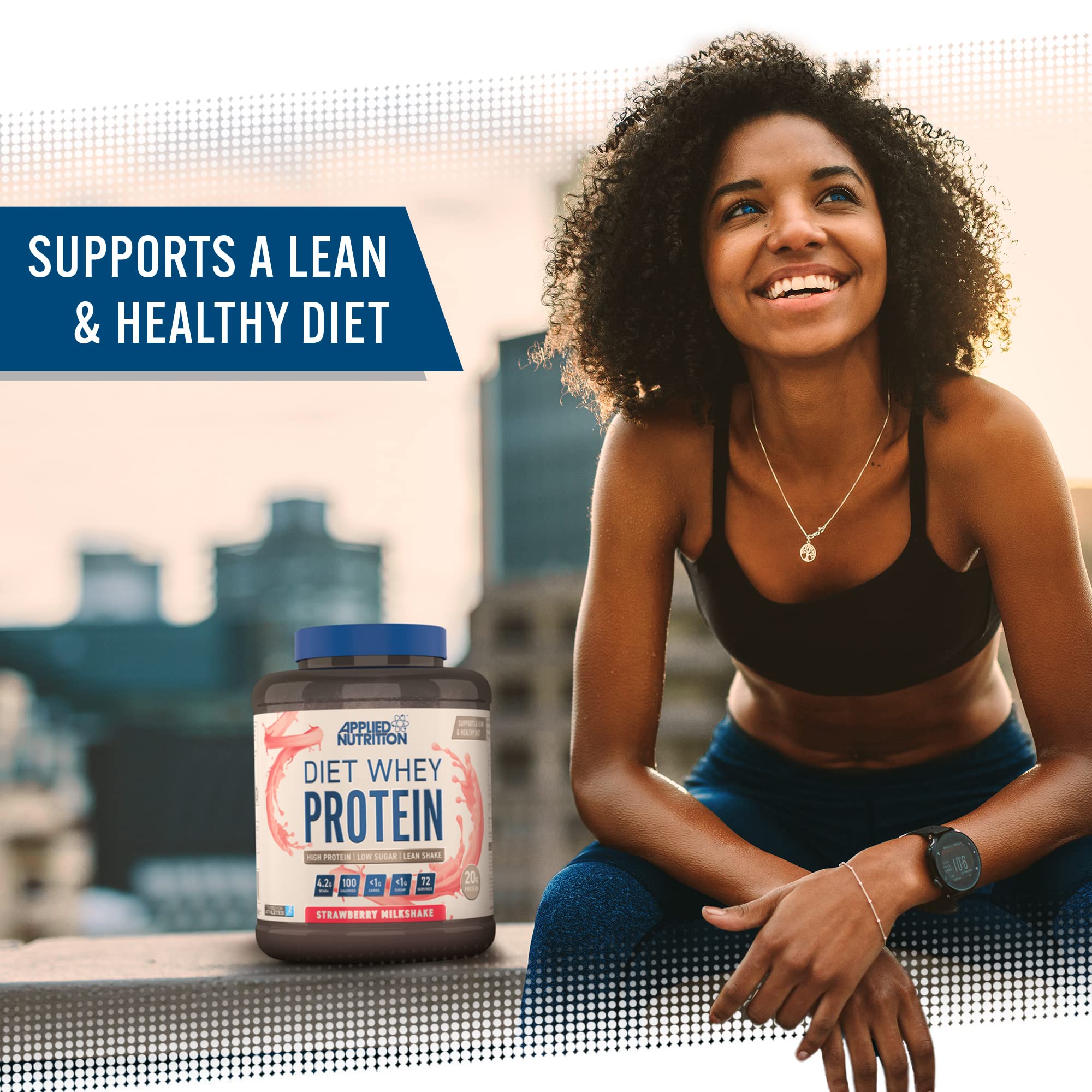
Explore our full range of protein powders at MyGymSupplements to find a safe, transparent option for your goals.
Disclaimer: This article is for informational purposes only and does not constitute medical advice. If you have a pre-existing health condition, including kidney or liver disease, or are pregnant or breastfeeding, consult your GP before making significant changes to your protein intake.

0 comments