

Most british fitness enthusiasts are surprised to learn that hydrolysed proteins can offer up to twice the absorption speed compared to standard protein supplements. Understanding what sets hydrolysed proteins apart is crucial for anyone looking to improve nutrition, muscle recovery, or manage sensitivities. With so many options on the market, clear information can help you make smarter choices about protein types, ingredient sources, and the real benefits of this advanced nutritional technology.
Table of Contents
- Defining Hydrolysed Protein And Key Concepts
- Types Of Hydrolysed Protein Supplements
- How Hydrolysis Enhances Protein Absorption
- Benefits And Potential Drawbacks For Users
- Hydrolysed Protein Versus Other Protein Forms
Key Takeaways
| Point | Details |
|---|---|
| Hydrolysed Proteins Enhance Absorption | Hydrolysed proteins offer faster absorption rates and improved nutrient utilisation, making them beneficial for muscle recovery and overall performance. |
| Various Types Available | Hydrolysed protein supplements include whey, casein, collagen, and plant-based options, allowing users to select based on dietary needs and fitness goals. |
| Potential Drawbacks | While beneficial, hydrolysed proteins may be higher in cost and can vary in taste and individual tolerance; consulting with a healthcare professional is advised. |
| Comparison with Other Proteins | Hydrolysed proteins provide the fastest absorption compared to other forms, making them especially suitable for athletes seeking rapid recovery. |
Defining Hydrolysed Protein and Key Concepts
Hydrolysed protein represents a unique protein form created through a specific breakdown process that transforms whole proteins into smaller peptide fragments. According to European Food Safety Commission, these proteins are “mixtures of polypeptides, peptides, and amino acids” obtained through carefully controlled hydrolysis techniques.
The production process involves breaking down protein structures using specific enzymatic or chemical treatments. For nutritional and supplement contexts, this means transforming complex protein molecules into more easily digestible smaller peptide chains. Collins Dictionary highlights that hydrolysis can occur through methods like boiling ingredients in hydrochloric acid and then neutralising with sodium hydroxide.
Key characteristics of hydrolysed proteins include:
- Faster absorption rates compared to standard protein sources
- Enhanced digestibility for individuals with sensitive digestive systems
- Potentially reduced allergenic properties
- Quicker amino acid delivery to muscle tissues
Athletes and fitness enthusiasts often select hydrolysed protein variants because the pre-digested nature allows for more rapid nutrient uptake. The smaller peptide structures mean less digestive work is required, potentially supporting faster muscle recovery and protein synthesis processes. By breaking down protein molecules into more minute components, hydrolysed proteins offer a more bioavailable nutritional option for those seeking efficient protein supplementation.

Types of Hydrolysed Protein Supplements
Hydrolysed protein supplements come in diverse forms, each derived from unique protein sources with specific nutritional profiles. MDPI Research explains that protein hydrolysates are sophisticated mixtures of polypeptides, oligopeptides, and amino acids manufactured through partial hydrolysis from various agricultural sources.
The primary types of hydrolysed protein supplements include:
- Whey Protein Hydrolysate: Fastest absorbing, ideal for post-workout recovery
- Casein Protein Hydrolysate: Slower release, supporting sustained muscle protein synthesis
- Collagen Protein Hydrolysate: Supporting joint health and connective tissue repair
- Plant-Based Protein Hydrolysates: Derived from sources like pea, rice, and hemp proteins
Cambridge Research highlights that these hydrolysed proteins are particularly beneficial in situations requiring accelerated protein absorption, especially during tissue repair and muscle recovery processes. The pre-digested nature means these supplements offer more rapid nutrient delivery compared to traditional whole protein sources.
Each hydrolysed protein variant offers unique advantages. Whey hydrolysates are popular among athletes for their rapid absorption, while collagen hydrolysates appeal to those seeking joint and skin health support.
Plant-based options provide excellent alternatives for individuals with dairy sensitivities or following vegetarian and vegan nutritional approaches. When selecting a hydrolysed protein supplement, consider your specific fitness goals, dietary requirements, and potential allergenic sensitivities to find the most suitable option.
How Hydrolysis Enhances Protein Absorption
Protein hydrolysis represents a sophisticated biochemical process that fundamentally transforms protein structures to improve nutrient absorption. Cambridge Research reveals that protein hydrolysates enable more rapid uptake of amino acids compared to traditional whole protein sources, offering significant advantages for nutritional efficiency.
The hydrolysis mechanism involves breaking down complex protein molecules into smaller, more digestible peptide chains. Carbery Research explains this process as transforming long protein chains into shorter peptides, which dramatically enhances the body’s ability to absorb and utilise nutritional components. This molecular breakdown provides several critical benefits:
- Faster amino acid absorption rates
- Reduced digestive complexity
- Potentially lower allergenic responses
- Enhanced nutrient bioavailability
For athletes and fitness enthusiasts, these absorption advantages translate into more efficient muscle recovery and protein utilisation. The pre-digested nature of hydrolysed proteins means less digestive effort is required, allowing nutrients to enter the bloodstream more quickly. This rapid absorption can be particularly beneficial during post-workout recovery periods, when the body demands swift nutritional replenishment to support muscle repair and growth.
Benefits and Potential Drawbacks for Users
Hydrolysed proteins offer a range of compelling advantages for fitness enthusiasts and individuals seeking enhanced nutritional absorption. Cambridge Research highlights significant benefits, including a powerful insulinotropic effect that reduces protein breakdown and enhances muscle and tissue uptake of branched-chain amino acids, particularly beneficial for recovery from muscle-damaging exercise.
The key benefits of hydrolysed protein supplements include:
- Rapid muscle recovery
- Enhanced amino acid absorption
- Potentially reduced digestive stress
- Support for tissue repair after intense physical activity
- Improved nutrient utilisation
Veterinary Practice Research cautions that while hydrolysed proteins can reduce molecular weight below immune system activation thresholds, potentially minimising allergenic responses, individual experiences may vary. Some potential drawbacks to consider include:
- Higher cost compared to standard protein supplements
- Potentially less pleasant taste due to enzymatic processing
- Variability in individual absorption and tolerance
- Limited long-term research on comprehensive health impacts
Users should approach hydrolysed protein supplements as a targeted nutritional strategy. While the rapid absorption and potential reduced allergenicity make them attractive, they are not a universal solution. Individual factors such as fitness goals, digestive sensitivity, and overall nutritional needs should guide supplement selection. Consulting with a nutritionist or healthcare professional can help determine whether hydrolysed protein supplements align with your specific health and fitness objectives.
Hydrolysed Protein Versus Other Protein Forms
Protein absorption efficiency varies significantly across different supplement forms, with hydrolysed proteins demonstrating remarkable advantages. Cambridge Research reveals that hydrolysed proteins are more effectively utilised compared to intact proteins, promoting a powerful insulinotropic effect that reduces protein breakdown and enhances muscle and tissue amino acid uptake.
Key comparative differences between protein forms include:
- Whey Concentrate: Slower absorption, higher fat content
- Whey Isolate: Faster absorption, lower lactose
- Hydrolysed Protein: Fastest absorption, pre-digested peptides
- Casein Protein: Slowest absorption, prolonged release
MDPI Research highlights that short-chain peptides in hydrolysed proteins offer superior nutritive value compared to free amino acid mixtures. This means hydrolysed proteins can be more efficiently processed by the body, providing quicker nutrient delivery and potentially enhanced muscle protein synthesis.
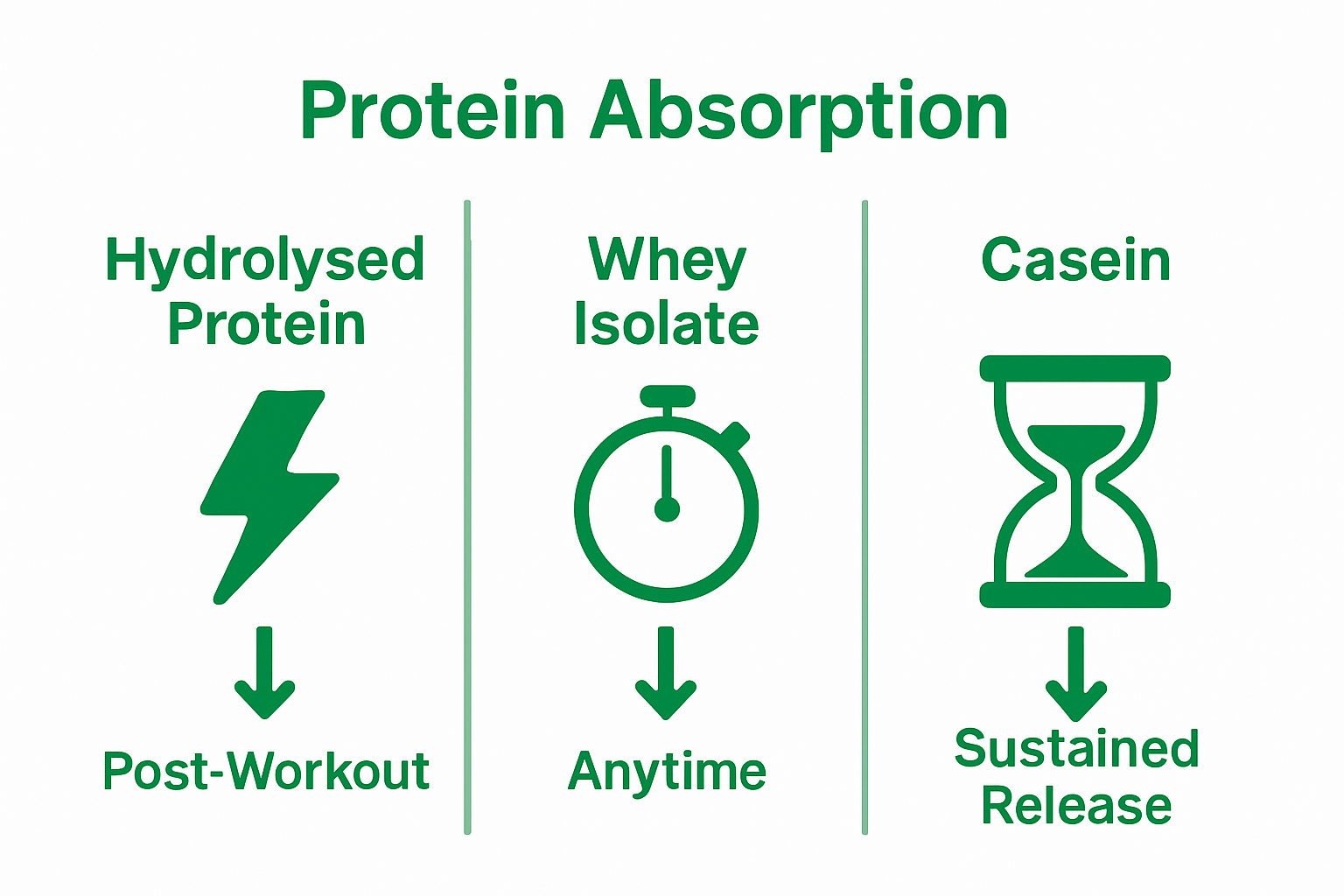
For athletes and fitness enthusiasts, the choice between protein forms depends on specific goals. Hydrolysed proteins excel in scenarios requiring rapid nutrient absorption, such as post-workout recovery or pre-competition nutrition. While typically more expensive, their advanced digestibility and potential reduced allergenicity make them an attractive option for individuals with sensitive digestive systems or those seeking optimal protein utilisation.
Discover the Power of Hydrolysed Protein for Faster Recovery and Enhanced Performance
Understanding hydrolysed protein’s unique role in delivering rapid amino acid absorption and improved digestibility can transform your fitness journey. If you struggle with slow muscle recovery, digestive sensitivities, or simply want the most efficient protein source for your goals, hydrolysed proteins provide an advanced solution. Faster nutrient delivery and reduced allergenic responses mean you can push harder and recover smarter.
Unlock the benefits of premium hydrolysed protein supplements available at MyGymSupplements.shop. Explore options like whey protein hydrolysate, collagen peptides, or plant-based hydrolysates designed to meet your needs. Act now to support muscle repair and optimise your training results with products made for true fitness enthusiasts. Visit MyGymSupplements.shop and take control of your recovery and performance today.
Frequently Asked Questions
What is hydrolysed protein?
Hydrolysed protein is a type of protein that has been broken down into smaller peptide fragments through a process called hydrolysis, making it easier for the body to absorb and digest.
What are the benefits of using hydrolysed protein supplements?
Hydrolysed protein supplements offer rapid muscle recovery, enhanced amino acid absorption, reduced digestive stress, and support for tissue repair after intense physical activity.
How does hydrolysis improve protein absorption compared to other protein forms?
Hydrolysis transforms complex protein molecules into shorter peptides, which increases the speed and efficiency of nutrient absorption in the body compared to whole protein sources.
What types of hydrolysed protein supplements are available?
Common types include whey protein hydrolysate for quick absorption, casein protein hydrolysate for sustained release, collagen protein hydrolysate for joint health, and plant-based hydrolysates from sources like pea and rice proteins.

0 comments