

Every british shopper has seen bold health claims on supermarket shelves, but what do those promises really mean? The booming market for functional foods is expected to surpass $300 billion globally by 2027, yet many people still confuse genuine benefits with clever advertising. Understanding the facts and clearing up common myths is key to making informed choices about what lands on your plate. This guide unpacks what functional food actually is, separating science from marketing and myth.
Table of Contents
- Defining Functional Food And Common Myths
- Main Types Of Functional Food Products
- Key Benefits For Health And Performance
- Functional Food Regulation In The UK
- Potential Risks And What To Avoid
Key Takeaways
| Point | Details |
|---|---|
| Understanding Functional Foods | Functional foods offer targeted health benefits beyond basic nutrition, contributing to overall wellness. |
| Scepticism Towards Claims | Many functional food claims lack scientific backing; consumers should approach them with informed scepticism. |
| Regulatory Framework in the UK | The UK’s regulation of functional foods involves stringent oversight to ensure health claims are scientifically substantiated. |
| Risks of Misleading Marketing | Consumers must be aware of exaggerated claims and potential risks associated with unverified functional food products. |
Defining Functional Food And Common Myths
Functional food represents a category of nutrition that extends beyond basic sustenance, offering targeted health benefits through specific ingredients and formulations. While traditional foods provide essential nutrients, functional foods are designed to deliver additional physiological advantages that support overall wellness.
Researchers have carefully defined functional foods as items demonstrated to beneficially affect target functions in the body beyond standard nutritional requirements. This means these foods contribute not just calories and macronutrients, but actively promote health and potentially reduce disease risk.
However, not all claims about functional foods stand up to scientific scrutiny. Critical examinations reveal significant ambiguities in marketing assertions. Many functional food products blur the line between genuine nutritional innovation and clever advertising. Common myths surrounding these foods include:
- All functional foods provide substantial health benefits
- Functional foods can completely replace medical treatment
- These foods work instantly and dramatically
In reality, functional foods should be viewed as complementary nutritional strategies, not miraculous solutions. They work best when integrated into a balanced diet and healthy lifestyle, offering incremental support rather than dramatic transformations. Consumers should approach functional food claims with informed scepticism, understanding that while these foods can be beneficial, they are not magical cure-alls.
Main Types Of Functional Food Products
Functional food products encompass a diverse range of nutritional options designed to deliver targeted health benefits beyond basic nutritional requirements. Research exploring functional foods for athletes reveals several key categories that have gained significant attention in nutrition science.
Traditionally, functional foods can be categorised into several primary types:
- Fortified Foods: Products enhanced with additional nutrients like vitamins, minerals, or probiotics
- Whole Foods with Enhanced Properties: Natural foods with inherent health-promoting characteristics
- Modified Foods: Ingredients scientifically altered to improve nutritional profiles
Japan’s pioneering research in functional foods highlighted how these products can be strategically developed to support specific health outcomes. For instance, some functional foods target cardiovascular health, while others focus on immune system support or metabolic regulation.

Athletes and fitness enthusiasts particularly benefit from functional foods that provide targeted nutritional support. These might include protein-enriched products, amino acid supplements, or foods designed to enhance recovery and performance. Understanding the nuanced differences between these product types allows consumers to make informed nutritional choices tailored to their individual health and fitness goals.
Key Benefits For Health And Performance
Functional foods offer remarkable potential for enhancing both overall health and physical performance through targeted nutritional strategies. Scientific investigations into functional food impacts have demonstrated significant improvements in critical areas like glucose regulation, cognitive function, and metabolic efficiency.
Athletes and fitness enthusiasts can particularly benefit from functional foods through several key performance-enhancing mechanisms:
- Energy Metabolism: Supporting efficient conversion of nutrients into usable energy
- Muscle Recovery: Accelerating repair and reducing post-exercise inflammation
- Cognitive Function: Improving mental clarity and focus during training
- Immune System Support: Enhancing bodily resilience and reducing susceptibility to illness
Research focused on athletes reveals that strategic nutritional interventions can dramatically influence fluid balance, muscle function, and overall physiological performance. These functional foods work by providing concentrated nutritional profiles that go beyond basic dietary requirements, targeting specific metabolic pathways and supporting the body’s complex physiological processes.
Moreover, the holistic benefits extend beyond immediate performance. Regular consumption of well-selected functional foods can contribute to long-term health maintenance, potentially reducing risk factors for chronic diseases while simultaneously supporting athletic and fitness goals. This makes them a sophisticated nutritional tool for individuals seeking comprehensive wellness and peak physical condition.
Functional Food Regulation In The UK
Functional food regulation in the United Kingdom represents a complex landscape of scientific scrutiny and consumer protection. Public health policy perspectives highlight the critical balance between encouraging nutritional innovation and ensuring rigorous standards for health claims.
The regulatory framework in the UK involves multiple key oversight mechanisms:
- European Food Safety Authority (EFSA) Guidelines
- Advertising Standards Authority (ASA) Regulations
- Department of Health Nutritional Standards
- Scientific substantiation requirements for health claims
Critical examinations of functional food classifications reveal significant challenges in distinguishing between legitimate nutritional innovations and potentially misleading marketing strategies. Manufacturers must provide robust scientific evidence demonstrating that their products deliver genuine health benefits beyond standard nutritional content.
Navigating these regulations requires manufacturers to submit comprehensive documentation, including clinical research, ingredient analyses, and detailed health claim substantiations. The stringent approach ensures consumers receive accurate information about functional food products, protecting public health while supporting innovative nutritional developments in the United Kingdom.
Potential Risks And What To Avoid
Consumer awareness is crucial when navigating the complex landscape of functional foods. Critical research highlights significant risks associated with misleading marketing and unsubstantiated health claims that can potentially compromise consumer understanding.
Key risks consumers should be vigilant about include:
- Exaggerated Health Claims: Marketing that promises unrealistic outcomes
- Lack of Scientific Substantiation: Products without rigorous research backing
- Potential Ingredient Interactions: Unexpected side effects from concentrated nutrients
- Overreliance on Functional Foods: Neglecting balanced nutritional approaches
Public health policy perspectives emphasise the importance of scientific evidence and regulatory oversight to protect consumers from potentially misleading nutritional products. This means critically evaluating product claims, checking for credible research, and understanding that functional foods are supplements, not miracle solutions.
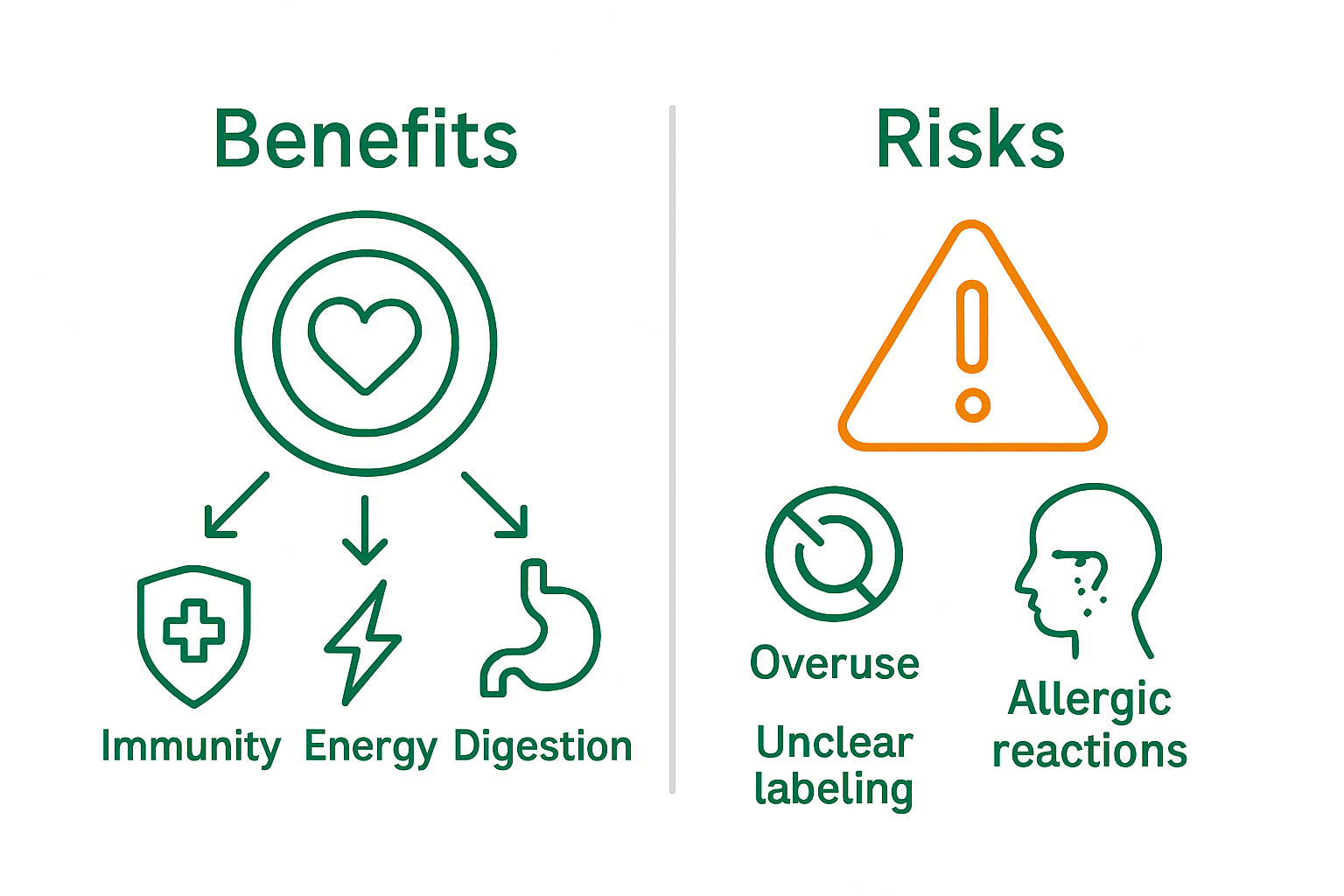
To mitigate risks, consumers should consult healthcare professionals, review independent scientific research, and maintain a holistic approach to nutrition. Functional foods can be beneficial when integrated thoughtfully, but they should never replace a balanced diet, regular exercise, and comprehensive lifestyle management.
Harness The Power Of Functional Foods For Your Fitness Journey
Understanding functional foods and their real benefits is key to boosting your health and performance effectively. If you struggle with finding supplements that genuinely support muscle recovery, energy metabolism, or immune resilience as described in “Functional Food Explained: Benefits, Types And Uses” prioritising scientifically backed nutrition can transform your results. Avoid falling for exaggerated claims and instead choose products that complement your balanced diet and fitness goals.

Explore a carefully curated range of supplements at MyGymSupplements.shop designed with your health and performance in mind. Whether you want protein options to aid muscle gain, pre-workouts for enhanced focus, or health and wellbeing essentials like vitamins, our collection aligns with the principles of functional foods that truly support your body. Start now to make informed nutritional choices that propel your fitness journey forward with confidence and clarity.
Frequently Asked Questions
What are functional foods?
Functional foods are foods that provide health benefits beyond basic nutrition. They contain specific ingredients or formulations that promote health and may reduce disease risk.
What are the main types of functional food products?
Functional food products can be categorized into fortified foods, whole foods with enhanced properties, and modified foods that have scientifically altered nutritional profiles.
How do functional foods benefit athletic performance?
Functional foods can enhance athletic performance by supporting energy metabolism, accelerating muscle recovery, improving cognitive function, and boosting immune system support.
Are there any risks associated with consuming functional foods?
Yes, risks include exaggerated health claims, lack of scientific evidence, potential ingredient interactions, and overreliance on these foods instead of a balanced diet.
Recommended
- Complete Guide to Functional Foods for Fitness – MyGymSupplements
- Superfoods Explained: Benefits, Types, and Myths – MyGymSupplements
- What are Greens Powders? Understanding Nutritional Benefits – MyGymSupplements
- Understanding What are Protein Isolates and Their Benefits – MyGymSupplements
- GREEN VEGETABLE PROTEINS’ IMPORTANCE TO YOU VOCAL HEALTH - TMRG Solutions
- 6 Types of Plant-Based Cosmetics You Need to Know – Pure Light Botanical Beauty

0 comments